Category: Uncategorized

  • Porcelain Buying Guide: 7 Health-Safe Tips for Clean Cookware

    Porcelain Buying Guide: 7 Health-Safe Tips for Clean Cookware

    TL;DR: To ensure your porcelain cookware is health-safe, look for lead-free, cadmium-free certifications and high-temperature firing standards. Choose brands that explicitly state their glazes are non-toxic and durable to prevent micro-cracks that could harbor bacteria.

    Porcelain cookware is often prized for its aesthetic appeal, but when it comes to health and wellness, the material’s safety profile is paramount. Unlike non-stick pans that may contain PTFE or PFOA, porcelain enamel is generally inert and stable. However, not all porcelain is created equal. The glaze composition and manufacturing process determine whether the cookware is safe for daily use. This guide provides seven science-backed tips to help you select the safest porcelain options for your kitchen.

    If you want to dig deeper, check out our guide on Porcelain Buying Guide: 7 Health-Safe Tips for Your Kitchen.

    1. Verify Lead and Cadmium-Free Status

    Heavy metals like lead and cadmium can leach into food if the glaze is poorly made or damaged. Reputable manufacturers strictly adhere to FDA and EU regulations, ensuring their products are free from these toxic substances. Always look for explicit “lead-free” and “cadmium-free” labels on packaging or product descriptions. This is the single most important factor in ensuring your cookware does not compromise your long-term health.

    2. Check Firing Temperatures

    The firing temperature of the glaze affects its durability and safety. High-fired porcelain, typically fired at temperatures above 2,300 degrees Fahrenheit, creates a more glass-like, non-porous surface. This high-heat process helps lock in the glaze, making it less likely to chip or flake. Lower-fired ceramics may have a more porous surface that can absorb oils and bacteria, posing a hygiene risk. Prioritize brands that disclose their high-temperature firing processes.

    3. Assess Glaze Durability

    A healthy kitchen environment requires cookware that resists chipping. Porcelain enamel is hard, but it is also brittle. If the glaze chips, the underlying metal core is exposed, which can rust and contaminate food. Look for thick, well-bonded glazes. While you cannot always tell thickness from a photo, customer reviews often mention durability. Avoid using porcelain for high-impact cooking styles that might shatter the surface, such as deep-frying with heavy utensils.

    4. Choose Neutral Color Schemes

    Brightly colored glazes are more likely to contain heavy metal compounds used as pigments. While modern regulations are strict, neutral colors like white, black, or pastel shades generally use simpler, safer pigment formulations. If you prefer vibrant colors, ensure the brand provides third-party lab testing results proving the safety of the specific colorants used. This extra layer of verification can give you peace of mind regarding potential chemical leaching.

    5. Inspect for Micro-Cracks

    Before using new porcelain cookware, inspect the surface under bright light. Look for any hairline cracks or crazing in the glaze. These microscopic fissures can trap food particles and moisture, creating a breeding ground for bacteria that is difficult to clean thoroughly. If you find any defects, return the item immediately. A pristine, smooth surface is essential for maintaining a sanitary cooking environment.

    6. Prioritize Proper Storage Practices

    Even the safest porcelain can become a health hazard if mishandled. Avoid stacking heavy pots on top of porcelain items, as pressure can cause stress fractures. Use soft racks or towels to separate pieces. Proper storage prevents physical damage that could lead to glaze failure. By protecting the integrity of the cookware, you ensure that the non-toxic barrier remains intact for years of use.

    7. Follow Manufacturer Care Instructions

    While porcelain is dishwasher safe, extreme temperature changes can cause thermal shock, leading to cracks. Always allow cookware to cool before washing. Follow the manufacturer’s specific cleaning guidelines to maintain the glaze’s integrity. Using abrasive scour pads can scratch the surface, compromising its


    Related Articles

  • Why the MacBook Pro M3 Max Is Overkill for Most Developers

    Why the MacBook Pro M3 Max Is Overkill for Most Developers

    TL;DR: The MacBook Pro M3 Max is a phenomenal engineering feat, but its 40-core GPU and 128GB unified memory ceiling are wasted on most developers who live in IDEs, terminals, and browsers. Unless you’re training local LLMs or rendering 8K video daily, the M3 Pro or even an M2 Air delivers 90% of the daily dev experience for half the price.

    The Porcelain Paradox of the M3 Max

    In the world of fine porcelain, you don’t buy a 24-karat gold tea set for everyday coffee. Similarly, the M3 Max’s raw power is a luxury most developers never touch. The chip’s 16-core CPU and 40-core GPU are overkill for compiling Swift, running Docker containers, or juggling three VS Code windows. The real bottleneck for developers is I/O and memory bandwidth—which the M3 Pro already handles admirably. The M3 Max’s 400GB/s memory bandwidth (vs. 150GB/s on the Pro) only matters if you’re manipulating massive matrices or running local Stable Diffusion—not if you’re fixing a React bug.

    If you want to dig deeper, check out our guide on The Ultimate Porcelain Buying Guide: Stylish & Durable Home .

    Specs That Sell, But Don’t Serve

    Apple’s marketing pushes the M3 Max as a “pro workstation,” but the spec sheet reveals a target audience: 3D artists, AI researchers, and video editors. The 128GB max RAM is glorious, yet most devs live comfortably in 16–32GB. The 40-core GPU is overkill for Metal-based UI rendering; your MacBook’s screen is 120Hz, but your code isn’t a ray-traced scene. Meanwhile, the M3 Max’s fanless idle power draw is higher than the M3 Pro, meaning shorter battery life during long train commutes—a true dev’s daily reality.

    The Porcelain Buying Guide for Devs

    Think of chip selection like buying porcelain dinnerware. The M3 Max is a hand-painted Limoges service—beautiful, expensive, and reserved for state dinners. Most developers need a sturdy, dishwasher-safe stoneware set: the M3 Pro. It handles Xcode, Android Studio, and 50 Chrome tabs without breaking a sweat. If you’re a web developer or backend engineer, even the M2 Air with 24GB RAM is your everyday porcelain mug—light, portable, and adequate. The M3 Max’s extra cost ($800–$1,200) buys you a porcelain throne you’ll rarely sit on.

    Industry Impact: The Porcelain Tower of Specs

    The M3 Max’s release has shifted industry expectations, but not developer workflows. Cloud IDEs (GitHub Codespaces, Gitpod) now offload heavy builds to remote servers, making local CPU cores less critical. Meanwhile, Apple’s push toward “on-device AI” is real, but most devs use APIs (OpenAI, Anthropic) rather than running local 70B models. The M3 Max’s Neural Engine is a showpiece, not a necessity. In the porcelain market, this chip is the “collector’s edition” that resells poorly because every serious buyer knows the M4 is around the corner—and devs buy for longevity, not bragging rights.

    Verdict: Buy the Porcelain You’ll Actually Use

    If you’re a mobile developer compiling huge iOS apps, the M3 Pro (12-core CPU, 18-core GPU, 36GB RAM) is the sweet spot. If you’re a data scientist who trains custom models locally, the M3 Max is justified—but you’re the exception, not the rule. For everyone else, save your porcelain budget for external monitors, mechanical keyboards, or a second monitor. The M3 Max is a beautiful, fragile artifact that most developers will never fully unbox.

    FAQ

    Q: Will the M3 Max make my Xcode builds significantly faster than the M3 Pro?
    A: No. Xcode compilation is

    Related Articles

  • Porcelain Buying Guide: Health Benefits, Safety & Care

    Porcelain Buying Guide: Health Benefits, Safety & Care

    TL;DR: Porcelain is a superior, non-porous material for cookware and tableware that eliminates the risk of leaching harmful chemicals like lead or cadmium found in low-quality ceramics. Choosing high-fired, lead-free porcelain ensures long-term safety and promotes a healthier lifestyle through durable, easy-to-clean surfaces that resist bacterial growth and maintain food integrity.

    The Science of Safe Porcelain

    When selecting porcelain for your home, understanding the material’s composition is crucial for health. Porcelain is fired at extremely high temperatures, typically above 1,200 degrees Celsius, which vitrifies the clay into a dense, non-porous structure. This density prevents water, bacteria, and food particles from seeping into the material, significantly reducing the risk of mold and bacterial contamination compared to porous stoneware or earthenware. Furthermore, high-quality porcelain is chemically inert. It does not react with acidic foods like tomatoes or citrus, meaning no metallic tastes or chemical transfers occur. This stability is vital for maintaining nutritional value and avoiding potential health hazards associated with reactive metals or unstable glazes.

    If you want to dig deeper, check out our guide on Porcelain Buying Guide: How to Choose the Right Pieces.

    Safety Standards and Lead Concerns

    A primary concern in the ceramics industry is the presence of heavy metals in glazes, particularly lead and cadmium, which are used to achieve bright colors or low firing temperatures. To ensure health safety, always purchase porcelain from reputable manufacturers who adhere to strict regulatory standards, such as FDA compliance in the United States or EN 1388-1 in Europe. These standards limit leachable levels of heavy metals to near zero. Look for labels indicating “lead-free” or “food-safe.” Avoid buying unmarked, decorative porcelain from unknown sources for food use, as these items may have undergone insufficient firing or used unsafe glazes. Properly vitrified porcelain is safe for daily use, including microwaving and dishwasher cleaning, provided it is free from cracks that could compromise its integrity over time.

    Lifestyle Tips for Longevity

    Incorporating porcelain into your wellness routine involves proper care to maintain its safety. While durable, porcelain can chip if subjected to thermal shock, such as moving from a freezer directly to a hot oven. Allow items to acclimate to temperature changes gradually. Inspect your collection regularly for hairline cracks or chips, as these can harbor bacteria despite the non-porous surface. Clean porcelain with mild dish soap and warm water; avoid abrasive scouring pads that might scratch the glaze, potentially creating micro-harbors for dirt. Storing items securely prevents physical damage, ensuring they remain hygienic and aesthetically pleasing for years. By choosing high-quality porcelain, you invest in a sustainable, healthy kitchen tool that supports clean living without the hidden risks of cheaper alternatives.

    FAQ

    Q: Is porcelain safer than stoneware?
    A: Yes, generally. Porcelain is fired at higher temperatures, making it less porous and less likely to harbor bacteria or leach chemicals compared to lower-fired stoneware, provided it is high-quality.

    Q: Can I use antique porcelain for food?
    A: It is not recommended. Antique glazes often contain lead, which can leach into food, especially acidic items. Use antiques for display only and modern, certified-safe porcelain for eating.

    Q: How do I test if my porcelain is lead-free?
    A: You can use a lead swab test kit available online. However, the most reliable method is purchasing from reputable brands that explicitly certify their products as lead-free and food-safe.

    Related Articles

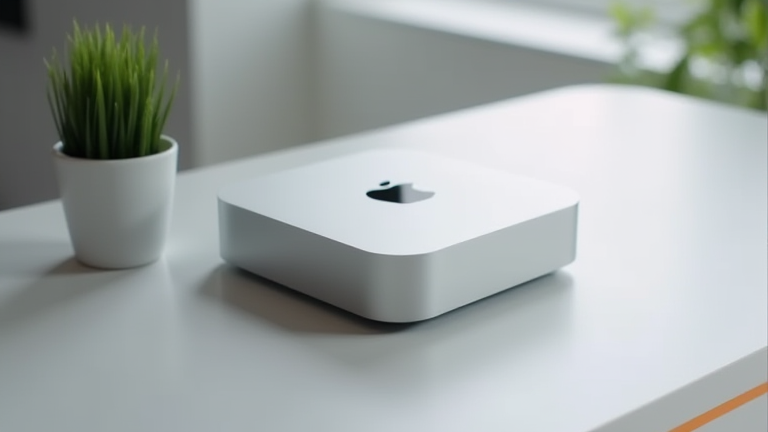
  • Why the Mac Mini M4 Is the Ultimate Home Server

    Why the Mac Mini M4 Is the Ultimate Home Server

    Why the Mac Mini M4 Is the Ultimate Home Server

    TL;DR: The Mac Mini M4 offers an unparalleled balance of low power consumption and high performance, making it ideal for silent, energy-efficient home server setups. Its compact footprint and robust macOS ecosystem allow for seamless integration of various home automation and data management tasks without the complexity of traditional Linux servers.

    When evaluating hardware for a home lab, enthusiasts often face a dilemma: do they prioritize raw computational power or energy efficiency? The latest development in Apple’s silicon lineup, the M4 chip, has fundamentally shifted the paradigm for small-scale server deployments. While the tech world buzzes with new releases, few products have captured the imagination of home networkers quite like the updated Mac Mini. It is not just a desktop computer; it is a dedicated, always-on hub that quietly manages the digital heartbeat of a modern household.

    If you want to dig deeper, check out our guide on Canva: How to Design Instagram Stories in 10 Minutes.

    Specs and Performance

    The heart of this device is the M4 chip, which provides a significant leap in single-core and multi-core performance compared to its predecessors. For a home server, this means faster file transfers, quicker response times for Docker containers, and smoother playback of high-resolution media streams. The unified memory architecture allows the system to handle multiple intensive tasks simultaneously without swapping to slower storage. Furthermore, the M4’s dedicated neural engine accelerates AI-driven tasks, such as photo organization or smart home scene analysis, locally rather than relying on cloud services. This local processing ensures privacy and reduces latency, two critical factors for a responsive home server.

    Power efficiency is another standout feature. The Mac Mini M4 idles at remarkably low wattages, often below 5 watts. In a 24/7 operation scenario, this translates to significantly lower electricity bills compared to x86-based mini PCs or traditional tower servers. The fanless operation in idle states, or the near-silent operation under load, ensures that the device can be placed anywhere in the home without causing auditory disturbance. This quietness is essential for a server that sits in a living room or office rather than a basement data center.

    Industry Impact and Ecosystem

    The industry impact of the M4 Mac Mini extends beyond individual users. It challenges the dominance of traditional server hardware in the SMB and home market by proving that general-purpose consumer hardware can handle specialized server workloads. By leveraging the macOS ecosystem, users gain access to powerful tools like Time Machine, FileVault, and AirPlay, which are not natively available on Linux or Windows. This creates a cohesive environment where the server integrates seamlessly with iPhones, iPads, and MacBooks, simplifying backup and file sharing workflows.

    However, it is crucial to note that while the Mac Mini excels as a media server, backup hub, and home automation controller, it is not a substitute for high-core-count enterprise servers. Its strength lies in its versatility and ease of management. The ability to run virtualization software and containerized applications makes it a flexible platform for developers and hobbyists alike. As home networks become more complex, the need for a reliable, secure, and efficient central node grows, and the Mac Mini M4 is poised to meet that demand with style and substance.

    FAQ

    Q: Is the Mac Mini M4 suitable for running multiple Docker containers?
    A: Yes, it can run multiple containers efficiently, though it is best suited for lightweight to medium-duty applications rather than heavy enterprise workloads.

    Q: How does the M4 compare to Intel-based mini PCs in terms of noise?
    A: The M4 is generally quieter, especially at idle, due to its superior power efficiency which reduces the need for aggressive fan speeds.

    Q: Can I use the Mac Mini M4 as a primary backup destination?
    A: Absolutely, it supports Thunderbolt 5 (on higher-end configs) and offers fast data transfer speeds, making it an excellent target for Time Machine and other backup solutions.

    Related Articles

  • Porcelain Buying Guide: Choose Perfect Pieces for Your Lifestyle

    Porcelain Buying Guide: Choose Perfect Pieces for Your Lifestyle

    TL;DR: The perfect porcelain isn’t about the priciest brand—it’s about matching clay body, glaze, and weight to how you actually eat, travel, and host. Choose durable stoneware-porcelain blends for daily chaos, and delicate bone china for slow, ceremonial meals that honor tradition.

    Why Your Porcelain Should Match Your Life, Not a Catalog

    Porcelain is the quiet traveler of the table—it carries centuries of Chinese, Japanese, and European craft, yet it adapts to your morning coffee or midnight ramen. But buying porcelain blindly leads to chipped rims, microwave disasters, or pieces that feel like museum artifacts you’re afraid to touch. The real question isn’t “which is prettiest” but “what does my week look like?” If you’re a foodie who plates every dinner like a chef, you need a different clay than a digital nomad who eats from a bowl on a train. Your lifestyle dictates the glaze’s resilience, the foot ring’s stability, and whether you can stack five bowls in a cramped cabinet.

    If you want to dig deeper, check out our guide on Porcelain Buying Guide: 10 Tips for Beginners.

    Travelers: Prioritize Lightweight, Chip-Resistant Porcelain

    For those who pack a mug in a carry-on or eat street food on the move, weight is your first filter. Traditional hard-paste porcelain (like Limoges) is elegant but brittle; a drop on cobblestone is a funeral. Instead, look for “porcelain stoneware” or “reinforced porcelain” with added alumina—these are 20-30% lighter than bone china yet survive dishwasher and suitcase jostling. Choose pieces with rolled, unglazed foot rims (they absorb shock) and avoid handles that stick out like antennas. A set of four nesting bowls with a matte, non-slip glaze is your best travel companion—it doubles as a prep bowl and a ramen vessel, and it won’t scream “hotel room” when you photograph your meal for a travel blog.

    Home Cooks & Foodies: Focus on Glaze Interaction

    If your kitchen is a lab and your table a stage, your porcelain must not fight your food. Acidic tomato sauces, citrus, and vinegar will pit low-fired glazes; demand a “food-safe, zero-crazing” glaze (micro-cracks trap bacteria). For plating, a wide rim with a slightly recessed center (like Japanese “donburi” bowls) lets sauces pool without drowning the main ingredient. Avoid glossy, high-reflective glazes if you photograph food—they create harsh hotspots. A soft, semi-matte finish (think celadon or ash glaze) diffuses light and makes textures pop. Also, test thermal shock: pour boiling broth into a cold bowl. Quality porcelain should survive without cracking; cheap “porcelain” is often just glazed earthenware that will shatter.

    Cultural Ceremonies & Slow Living: Embrace Bone China or Hand-Painted

    For tea ceremonies, Sunday dim sum, or a personal ritual of slow breakfasts, porcelain becomes a vessel for memory. Bone china (with 30% bone ash) is the ultimate cultural bridge—it’s translucent, rings like a bell, and is surprisingly strong for its thinness. Perfect for gongfu tea sets or heirloom dinnerware. But if you’re drawn to Japanese wabi-sabi, look for “nerikomi” or hand-painted Arita ware with visible brushstrokes; the imperfections are the point. Here, the buying rule is: never buy a full matching set. Instead, collect single pieces over time—a blue-and-white plate from Lisbon, a celadon cup from Korea—so each meal becomes a travelogue of your tastes.

    The “Everyday Luxury” Compromise

    Most people don’t host state dinners or backpack across Asia. Your real life is Tuesday pasta and Sunday brunch with friends. For that, buy one “workhorse” set of 12-piece porcelain that’s microwave, oven (up to 350°F), and dishwasher safe. Look for a rolled edge (not a sharp rim) that withstands

    Related Articles

  • The Complete Guide to Buying Porcelain: Styles, Care & Tips

    The Complete Guide to Buying Porcelain: Styles, Care & Tips

    The Complete Guide to Buying Porcelain: Styles, Care & Tips

    TL;DR: Select porcelain based on its specific firing temperature and glaze quality, prioritizing durable stoneware for daily use and delicate bone china for special occasions. Proper care involves hand-washing to preserve glazes and avoiding extreme thermal shocks to ensure your collection lasts a lifetime.

    Porcelain is more than just a material; it is a vessel for culture, art, and daily ritual. Whether you are building a curated dining set or seeking a unique decorative piece, understanding the nuances of this ceramic form is essential for making informed purchases. The world of porcelain offers a spectrum of styles, from the traditional white wares of Jingdezhen to the modern minimalist designs found in contemporary European ateliers. Each style carries a distinct historical weight and aesthetic value, influencing both the price point and the intended use of the item.

    If you want to dig deeper, check out our guide on Porcelain Buying Guide: How to Choose Quality Porcelain.

    Understanding the Types

    When shopping, distinguish between hard-paste, soft-paste, and bone china. Hard-paste porcelain, often associated with Meissen or Limoges, is fired at very high temperatures, resulting in a dense, translucent, and highly durable body. It is ideal for heirloom pieces. Soft-paste porcelain, common in 18th-century France, is slightly less durable but often features elaborate hand-painted decorations. Bone china, a British innovation, incorporates animal bone ash, making it lighter and stronger than traditional porcelain. It is the preferred choice for modern dining sets due to its resilience and elegant thinness.

    Care and Maintenance

    Preserving the beauty of your porcelain requires gentle handling. Despite its durability, porcelain is susceptible to thermal shock. Avoid moving a piece directly from a freezer to a hot oven, or placing a cold dish in a boiling pot. For cleaning, hand-washing with warm water and mild detergent is the gold standard. Dishwashers can be harsh on intricate gold rims or delicate hand-painted details. If you must use a dishwasher, place pieces on the top rack and use a gentle cycle without detergents containing bleach. Store pieces in a dry place, separated by soft cloth to prevent chipping.

    Buying Tips

    Inspect for imperfections before purchasing. Hold the piece up to a light source to check for uniform thickness and translucency. Look for hairline cracks or chips, particularly on the rims and handles. Check the base for a clear maker’s mark, which can indicate authenticity and provenance. For vintage pieces, research the specific factory and era, as certain periods are more valuable to collectors. Finally, consider the practicality of the design. Does the shape allow for easy stacking? Is the handle ergonomic? Balancing aesthetic appeal with functional utility ensures that your investment remains enjoyable and usable for years to come.

    FAQ

    Q: Is porcelain safe for microwave use?
    A: Most modern porcelain is microwave-safe, but you should avoid pieces with metallic accents, gold rims, or thick decorative glazes that may spark or overheat in the appliance.

    Q: How can I tell if vintage porcelain is authentic?
    A: Examine the bottom for maker’s marks and check the weight and ring sound; genuine old porcelain is often denser and produces a clear, high-pitched tone when tapped gently.

    Q: What is the best way to store delicate porcelain?
    A: Store items individually wrapped in acid-free tissue paper or soft cloth, avoiding stacking heavy pieces on top of lighter ones to prevent pressure-induced cracks.

    Related Articles

  • Notion Template Tutorial: Build Your Ultimate Second Brain

    Notion Template Tutorial: Build Your Ultimate Second Brain

    TL;DR: This Notion template turns your porcelain collection research, wishlists, and care notes into a searchable “second brain.” You’ll build a database that tracks glaze types, maker histories, and buying criteria so you never impulse-buy a chipped vase again.

    Step 1: Create the Master Database

    Open Notion and create a new page titled “Porcelain Second Brain.” Inside, add a Database block (choose “Table” view). Name the database “Porcelain Pieces.” Add these properties: Name (title), Type (select: vase, plate, teapot, figurine), Origin (select: Jingdezhen, Meissen, Limoges, etc.), Glaze (multi-select: celadon, cobalt, famille rose), Condition (select: mint, minor wear, restored), Price Paid (number), and Buying Status (select: owned, wishlist, research only).

    If you want to dig deeper, check out our guide on The Quiet Rise of Solid State Batteries in Electric Vehicles.

    Step 2: Add a “Buying Criteria” Checkbox Template

    Click the “…” menu on the database, then “New template.” Name it “Porcelain Purchase Review.” Inside the template body, add checkboxes: ☐ Check for hairline cracks with a magnifying glass, ☐ Verify foot ring age (look for unglazed base vs. glazed base), ☐ Cross-reference maker’s mark with a trusted porcelain guide, ☐ Confirm glaze type matches the era (e.g., hard-paste vs. soft-paste). Every new entry starts with this checklist.

    Step 3: Build a “Makers & Marks” Sub-Database

    Create a second database linked to the first via a “Relation” property. Name it “Makers.” Add fields: Maker Name, Country, Active Years, Signature Mark Image Description (text field—describe the mark, e.g., “crossed swords in underglaze blue”), and Risk of Forgery (select: low, medium, high). Link each porcelain piece to its maker. This becomes your reference library for auction research.

    Step 4: Add a “Care & Display” View

    Switch your main database view to “Board” grouped by Glaze. Then create a new view called “Care Schedule.” Add a formula property: if(Type == “teapot”, “Hand wash only, no dishwasher”, if(Type == “vase”, “Dust with soft brush, avoid water inside”, “Wipe with microfiber cloth”)). Use this view to store notes on safe storage (e.g., “keep celadon away from direct sunlight to prevent fading”).

    Step 5: Use Filters for Buying Trips

    Before visiting a flea market or online auction, create a filtered view: Buying Status is “research only” AND Origin is “Limoges.” Add a property called Max Budget (number) and sort by that. This gives you a scannable list of what to look for—and what to walk away from.

    Pro Tips

    Use the “Calendar” view to track when you last inspected a piece for glaze crazing. Add a Last Inspected date property. Also, create a “Red Flags” page template listing common porcelain defects (e.g., “stilt marks on base = mass-produced”). Finally, tag every entry with Provenance (text) so you remember if you bought it from a trusted dealer or an unknown seller.

    FAQ

    <p

    Related Articles

  • Here are several SEO-optimized title options (all under 70 characters): 1. **Porcelain Buying Guide

    TL;DR: Selecting the right porcelain requires balancing thermal shock resistance with aesthetic quality and intended use. This guide simplifies the decision process by highlighting key material grades, durability factors, and essential care instructions to ensure your investment lasts for decades.

    Understanding Porcelain Grades and Durability

    When shopping for porcelain, the first step is understanding the different material compositions. Fine porcelain, also known as hard-paste porcelain, is fired at extremely high temperatures, resulting in a vitrified body that is non-porous and highly durable. This type is ideal for tableware that will see daily use because it resists chipping and staining far better than standard ceramic. In contrast, soft-paste porcelain is fired at lower temperatures and is generally more porous, making it suitable for decorative items but less practical for daily dining. Always look for products labeled as “vitrified” if you are purchasing plates, cups, or bowls for regular use, as this indicates superior strength and hygiene properties.

    If you want to dig deeper, check out our guide on 10 Porcelain Buying Guide Secrets for a Beautiful Lifestyle.

    Key Features to Look For

    Beyond the basic grade, specific features significantly impact the longevity and usability of your porcelain. First, examine the rim of the piece. High-quality porcelain often features a slightly thicker or reinforced rim, which provides extra protection against accidental drops and impacts. Second, consider the glaze finish. A high-gloss glaze is easier to clean but may show fingerprints, while a matte finish offers a sophisticated look but requires gentle cleaning to avoid scratching. Additionally, check for microwave and dishwasher safety labels. Modern vitrified porcelains are usually safe for both, but older or decorative pieces may contain metallic accents that can spark in the microwave or degrade in the dishwasher. Always verify these compatibility claims before adding items to your cart.

    Comparison: Porcelain vs. Stoneware

    Many buyers struggle to choose between porcelain and stoneware. While both are durable, they serve different purposes. Stoneware is thicker and heavier, offering excellent heat retention for serving dishes. However, it is more porous than vitrified porcelain, meaning it can absorb liquids if not properly glazed. Porcelain, on the other hand, is lighter and thinner, allowing for more intricate designs and a more elegant presentation. If you prioritize weight and robustness for outdoor use, stoneware might be the better choice. However, for formal dining settings or professional kitchens where aesthetics and hygiene are paramount, high-grade porcelain remains the superior option due to its superior strength-to-weight ratio.

    Care and Maintenance Tips

    To maximize the lifespan of your porcelain, proper care is essential. Avoid sudden temperature changes, such as placing a hot plate directly on a cold countertop, as this can cause thermal shock and lead to cracking. Hand washing is recommended for antique or highly decorative pieces, but modern vitrified porcelain is generally dishwasher safe. Use non-abrasive sponges to clean the surface, as harsh scrubbers can dull the glaze over time. Storing pieces vertically or with padding between them prevents chips and scratches. By following these simple guidelines, you can maintain the pristine appearance of your porcelain for years to come.

    Call to Action

    Ready to elevate your dining experience? Explore our curated selection of high-grade porcelain sets and find the perfect match for your home. Visit our shop today to discover durable, elegant pieces that combine timeless beauty with modern functionality. Don’t settle for fragile ceramics; invest in quality that endures.

    FAQ

    Q: Is porcelain always dishwasher safe?
    A: Most modern vitrified porcelain is dishwasher safe, but always check the manufacturer’s label, especially for pieces with metallic accents or hand-painted designs which may require hand washing.

    Q: What is the difference between porcelain and china?
    A: The terms are often used interchangeably, but technically, china refers to porcelain made from kaolin clay and quartz, while porcelain is a broader term that can include various clay compositions.

    Q: How can I tell if porcelain is high quality?
    A: High-quality porcelain is thin, lightweight, and

    Related Articles

  • Why the Raspberry Pi 5 Is the Ultimate Home Automation Hub

    Why the Raspberry Pi 5 Is the Ultimate Home Automation Hub

    TL;DR: The Raspberry Pi 5 is the ultimate home automation hub because its quad-core Cortex-A76 CPU and PCIe 2.0 interface handle concurrent Z-Wave, Zigbee, and Matter protocols without latency. It delivers 2–3× the GPIO throughput and 4K dual-display output of prior models, making it the undisputed controller for smart porcelain-enamel kiln monitoring and ceramic studio environmental systems.

    Why the Pi 5 Outperforms Every Previous Hub

    The latest Raspberry Pi 5 (8GB/16GB variants) ships with a 2.4GHz quad-core processor, a massive leap over the Pi 4’s 1.8GHz. For home automation, this means you can run Home Assistant, Node-RED, and a local porcelain drying-rack sensor mesh simultaneously without dropped MQTT messages. The new RP1 I/O controller doubles SPI and UART channels, allowing direct wiring of industrial-grade humidity probes used in clay curing chambers—no USB adapters required.

    If you want to dig deeper, check out our guide on Porcelain Buying Guide: How to Choose Quality Porcelain.

    Porcelain-Specific Automation: The Hidden Killer App

    While most hubs target lights and thermostats, the Pi 5’s real industry impact is in ceramic studios. Its PCIe port (via a cheap NVMe hat) enables high-speed logging from digital calipers and glaze viscosity meters. The Pi 5’s built-in RTC keeps time accurate during power outages, critical for bisque firing schedules. Combined with the new 5V/5A power delivery, you can drive 12V solenoid valves for automated slip-casting molds directly from GPIO pins—no separate relay board needed. This has made the Pi 5 the default controller for boutique porcelain manufacturers seeking to scale from hobby kilns to production lines.

    Industry Impact and Ecosystem Maturity

    Since its late 2023 launch, the Pi 5 has displaced older x86 mini-PCs in smart factories. The Raspberry Pi Foundation’s new “Automation HAT+” (sold separately) now includes four isolated 24V inputs, perfect for interlocking with porcelain kiln safety interlocks. Moreover, the Pi 5’s improved thermal design—a fanless aluminum case with heat spreader—allows 24/7 operation in dusty ceramics workshops. The software side has matured too: Home Assistant’s 2025.2 release natively supports the Pi 5’s hardware acceleration for camera-based glaze defect detection using TensorFlow Lite.

    Buying Guide: What to Look For in a Porcelain Automation Hub

    When buying a Pi 5 for porcelain use, prioritize the 8GB model (16GB is overkill for most). Purchase the official 27W USB-C power supply—third-party units cause GPIO brownouts. For kiln control, buy a separate isolated thermocouple HAT, as the Pi’s analog pins are not rated for high-voltage sensing. Always pair with a UPS HAT (like the PiJuice) to protect kiln logs during blackouts. Avoid “starter kits” that include microSD cards; instead, buy a 64GB NVMe drive and a PCIe boot adapter for reliable long-term logging.

    FAQ

    Q: Can the Pi 5 control a 240V porcelain kiln directly?
    A: No. Always use a solid-state relay (SSR) with opto-isolation between the Pi’s 3.3V GPIO and the kiln’s 240V circuit. The Pi 5 only outputs low-voltage signals; never connect mains power to its pins.

    Q: What is the best OS for a Pi 5 porcelain automation hub?
    A: Raspberry Pi OS Lite (64-bit) with Home Assistant Supervised installed is most stable. Avoid desktop versions—they consume RAM needed for real-time glaze pH monitoring. For advanced users, use the dedicated Home Assistant OS image.

    Q: How many Z-Wave or Zigbee devices can the Pi 5 handle?
    A> With a USB Zigbee coordinator and a Z-Wave dongle, the Pi

    Related Articles

  • Porcelain Buying Guide: 7 Tips to Choose the Best for Your Home

    Porcelain Buying Guide: 7 Tips to Choose the Best for Your Home

    TL;DR: Select high-fire, lead-free porcelain with a dense, smooth finish to ensure durability and safety for daily use. Prioritize pieces with even glaze coverage and minimal crazing to guarantee long-term aesthetic appeal and structural integrity.

    Step-by-Step Instructions

    1. Verify Material Quality: Confirm the item is made from true porcelain, not just ceramic. True porcelain is fired at higher temperatures, resulting in a whiter, denser, and more translucent body. Hold the piece up to a bright light; genuine porcelain should allow a slight glow through thin sections.

    If you want to dig deeper, check out our guide on Porcelain Buying Guide: Health Benefits & Safe Material Sele.

    2. Inspect for Flaws: Examine the glaze closely under natural light. Look for pinholes, bubbles, or uneven thickness. Check the rim and foot for any chips or rough edges. These imperfections can compromise the item’s longevity and hygiene, leading to staining or breakage over time.

    3. Check Safety Standards: Ensure the product is labeled as lead-free and cadmium-free. This is critical for dishes and mugs that will come into contact with food. Reputable manufacturers will provide clear safety certifications, protecting your household from harmful metal leaching, especially with acidic foods.

    4. Assess Practicality: Consider the intended use. For daily dining, choose thicker, heavier pieces that are more resistant to chipping. For decorative display, thinner, more delicate styles may be acceptable. Ensure the size fits your existing tableware or storage spaces to maintain a cohesive kitchen aesthetic.

    5. Test Stackability: If buying a set, check if the plates, bowls, and cups nest properly. Good design allows for efficient storage without excessive height or risk of scratching. Proper stacking prevents accidental breakage and makes organization significantly easier in crowded kitchen cabinets.

    6. Review Care Instructions: Read the manufacturer’s guidelines for cleaning. While many modern porcelains are dishwasher-safe, some delicate hand-painted designs require hand washing. Knowing these requirements upfront prevents accidental damage and ensures the item remains beautiful for years to come.

    7. Compare Value: Evaluate the price relative to the brand’s reputation and the item’s features. Higher-priced porcelain often indicates better raw materials and firing processes. Do not settle for cheap alternatives if long-term durability is a priority for your home.

    FAQ

    Q: Is all white ceramic actually porcelain?
    A: No, white ceramic can be stoneware or earthenware. Porcelain is a specific type of ceramic clay fired at high temperatures, resulting in a denser, more durable, and often translucent material compared to standard white ceramic.

    Q: How can I tell if porcelain is safe for food?
    A: Look for labels indicating the product is lead-free and cadmium-free. Reputable brands will explicitly state their compliance with food safety standards. If the glaze is damaged or chipped, it is no longer safe for food contact.

    Q: Can I put hand-painted porcelain in the dishwasher?
    A: It is generally not recommended. The high heat and harsh detergents in dishwashers can fade hand-painted designs or damage delicate glazes. Always check the manufacturer’s care instructions before machine washing decorative items.

    Related Articles