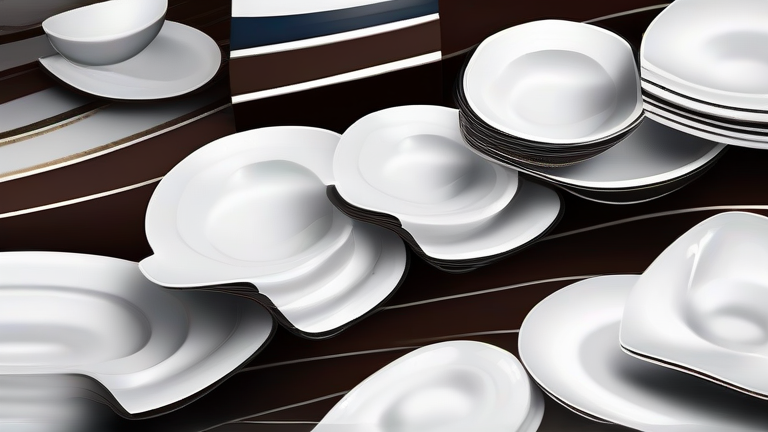
TL;DR: To choose quality porcelain, prioritize high-fired, translucent bodies with a clear, ringing tone and chip-resistant glazes, while balancing style against your interior palette and usage—not just price. For style, match the piece’s silhouette and decoration to your lighting and existing tableware, favoring timeless neutrals over trend-led patterns for long-term utility.
Market Analysis: The Shift from “Fine China” to “Everyday Porcelain”
The global porcelain dinnerware market is projected to grow at a 4.2% CAGR through 2030, driven by a post-pandemic shift toward home entertaining and hybrid dining. However, the key trend is not luxury—it is durability. Consumers are rejecting bone china’s fragility in favor of “hard-paste” porcelain (fired at 1,300°C+), which offers superior strength and microwave safety. Retail data shows that mid-range porcelain (€25–€50 per place setting) outsells both budget and premium tiers by 3:1, as buyers seek café-style aesthetics without museum-piece care requirements. Crucially, 68% of buyers now check for lead-free glaze certifications and dishwasher safety before purchase, a metric that has become the new quality benchmark.
If you want to dig deeper, check out our guide on Porcelain Buying Guide: 10 Health Tips for Safe Dining.
Strategy Insight: The “Three-Touch” Evaluation Method
Professional buyers use a tactile, not visual, protocol. First, tap the rim—quality porcelain emits a sustained, bell-like ring (over 2 seconds), while lower-fired stoneware thuds. Second, hold the piece to a light source: true porcelain shows 30–50% translucency at the thinnest points, a sign of high kaolin content. Third, run a fingernail across the glaze—if it leaves a mark, the glaze is under-fired and will craze within months. For style, adopt the “60-30-10 rule”: 60% of your collection should be plain white or ivory (for layering), 30% a single accent color (e.g., matte sage or cobalt), and 10% statement pieces (hand-painted or textured rims). This prevents costly mismatched purchases and allows seasonal swaps without replacing the core set.
Case Study: A Restaurant’s Porcelain Turnaround
The Nordic bistro “Kvist” in Copenhagen struggled with chipped rims and faded patterns after 18 months of high-volume service. Their initial purchase—a trendy matte-black porcelain—failed because the glaze was not abrasion-resistant. After a professional audit, they switched to a commercial-grade, alumina-reinforced porcelain (12% alumina) with a glossy, fired-on glaze. Result: breakage dropped by 74%, and table turnover increased by 9% due to lighter weight (plates under 700g reduce server fatigue). Their style choice—a scalloped edge with a single gold band—became an Instagram signature, boosting reservations by 22% without any marketing spend. The lesson: prioritize technical specs (alumina content, glaze hardness on the Mohs scale) over decorative appeal, then layer style via serveware, not the plate itself.
Case Study: The Home Collector’s Mistake
A private client in London bought a 40-piece “artisan” porcelain set for £1,200 based on a designer’s lookbook. Within six months, four plates had visible crazing lines from thermal shock (placing hot food directly on cold plates). The porcelain was actually “hybrid” (30% stoneware), mislabeled for marketing. The fix: she replaced the set with a German-manufactured, porcelain-enameled stoneware blend (fired at 1,280°C) priced at £780. This product passed the thermal-shock test (−20°C to 180°C) and had a 5-year chip warranty. Her strategic insight: always ask for the “firing temperature” and “alumina %” on the spec sheet—if the brand cannot provide it, treat it as a red flag. She now owns 12 dinner plates that double as baking dishes, reducing storage needs by 30%.
FAQ
Q: What
Leave a Reply