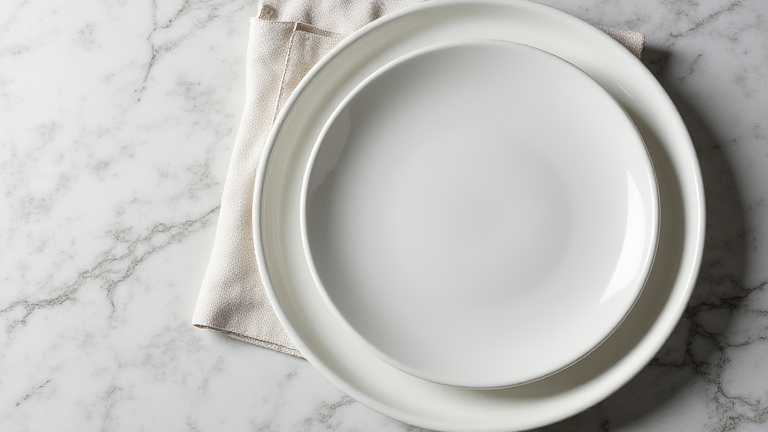
TL;DR: Choose porcelain by balancing material purity (hard-paste vs. bone china), glaze durability, and weight against your intended use—daily dining demands chip-resistant edges, while decorative display rewards translucency and hand-painted artistry. Always verify the manufacturer’s firing temperature (above 1,260°C for vitrification) and compare rim thickness before purchasing.
Why Porcelain Matters: Beyond Dinnerware
Porcelain is not just a plate; it’s a fusion of geology and craft. Unlike stoneware, porcelain is fired at extreme temperatures, creating a non-porous, glass-like body that resists staining and thermal shock. The best pieces feel cool to the touch, ring like a bell when tapped, and show light through thin rims. For everyday use, prioritize mechanical strength—look for reinforced edges or “alumina” additions. For heirloom display, chase translucency (hold it to a lamp) and underglaze blue or celadon finishes.
If you want to dig deeper, check out our guide on Why Every DTC Brand Is Suddenly Obsessed with UGC.
Feature Highlights: What Separates Premium Porcelain
Hard-paste vs. Bone china: Hard-paste (kaolin + feldspar) is the classic Chinese standard—dense, chip-resistant, and slightly heavier. Bone china adds 30% bone ash for whiter, lighter, more translucent ware, but it is more fragile. If you drop things, choose hard-paste; if you serve delicate tea service, bone china wins.
Glaze quality: A flawless, pinhole-free glaze prevents crazing (micro-cracks) and bacteria buildup. Run your fingernail across the surface—premium porcelain feels slick, not gritty. Also, check the foot rim (un-glazed base). A finely polished, smooth foot indicates higher craftsmanship, while rough exposed clay suggests budget production.
Thermal resistance: Oven-safe porcelain must state “thermal shock resistant.” Test by reading the base stamp: “vitrified” means it can go from freezer to 200°C oven safely. Avoid metallic trims (gold, platinum) if you microwave or dishwasher—they will degrade.
Comparison: Top Three Buying Scenarios
Everyday family sets: Choose stoneware-hard porcelain hybrid (e.g., Japanese “yakimono” style) with rolled edges—they withstand stacking and knife cuts. Expect 10–14 mm thickness. Fine dining: Select thin bone china (3–5 mm rim) with a high gloss glaze; it elevates plating but requires hand washing. Collector’s teaware: Opt for Jingdezhen or Meissen hard-paste with hand-painted cobalt—prioritize artistic detail over chip resistance.
Call-to-Action
Ready to upgrade your table? Start by ordering a single sample plate from two brands—one hard-paste, one bone china—and test them for a week. Check for “dishwasher safe” certification and warranty against chipping. Then, buy a four-piece starter set, not a full 20-piece box, to confirm your preference before committing.
FAQ
Q: How do I know if porcelain is truly high-fired?
A: Tap the rim with a metal spoon—a clear, prolonged ring (over 2 seconds) indicates vitrification. Also, check the bottom stamp for “≥1260°C” or “fully vitrified.” If it thuds, it’s likely stoneware.
Q: Can I mix porcelain brands in one table setting?
A: Yes, but keep the same glaze finish (matte vs. gloss) and similar rim thickness to avoid visual clash. Mixing white hard-paste plates with bone china cups works well, as long as the whites are within one shade tone (e.g., cool white vs. warm ivory—do not combine those).
Q: What’s the best way to test chip resistance before buying?
A
Leave a Reply