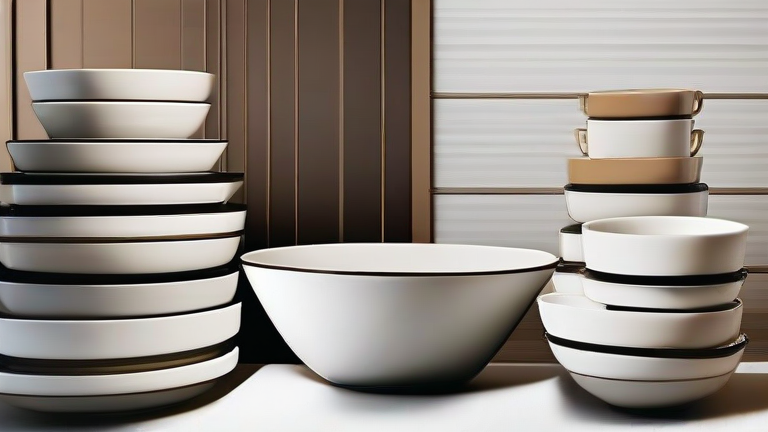
Ultimate Porcelain Buying Guide: Tips for Business Buyers
TL;DR: Businesses should prioritize suppliers with certified low thermal shock resistance and consistent glaze uniformity to minimize replacement costs. Strategic bulk purchasing combined with rigorous quality assurance protocols can reduce overhead by up to fifteen percent in the hospitality and retail sectors.
The global porcelain market is experiencing a significant shift towards high-density, bone-free compositions that offer superior durability without the fragility associated with traditional bone china. For business buyers, this transition presents both a challenge and an opportunity. The market analysis reveals that demand is no longer driven solely by aesthetic appeal but by functional longevity. Hospitality managers and retail procurement officers are increasingly scrutinizing suppliers based on their ability to provide products that withstand industrial dishwashing cycles and frequent handling. Understanding these dynamics is crucial for maintaining profitability and ensuring customer satisfaction in competitive environments.
If you want to dig deeper, check out our guide on Why the Quiet Luxury Trend Is Pushing Cashmere Sales.
Strategic Sourcing and Quality Assurance
Effective buying strategies require a deep dive into material composition and manufacturing processes. Buyers must request detailed Material Safety Data Sheets (MSDS) and verify that the porcelain meets ISO standards for mechanical strength. A key strategy involves diversifying suppliers to mitigate risk, particularly in the face of global supply chain disruptions. Furthermore, implementing a tiered quality control system ensures that only top-grade items reach the end consumer. This approach reduces return rates and enhances brand reputation. Negotiating contracts that include penalties for defect rates above a certain threshold can also protect your investment. It is essential to conduct on-site audits of manufacturing facilities to ensure compliance with environmental regulations and ethical labor practices, which are increasingly important to modern consumers.
Case Studies in Successful Procurement
Consider the case of a mid-sized hotel chain in Europe that switched to a single-source supplier for their tableware. Initially, they faced issues with chipping rims after just six months of heavy use. By switching to a supplier specializing in reinforced porcelain with a higher silica content, they extended the lifespan of their sets by three years. This change resulted in a twenty percent reduction in annual procurement costs. Another example involves a boutique retail brand that partnered with a local artisanal porcelain maker. By co-designing a limited-edition collection, they created a unique product line that commanded a premium price point. This strategy not only differentiated their brand but also built a loyal customer base willing to pay more for exclusive designs. These examples highlight the importance of aligning product selection with specific business goals.
In conclusion, mastering the art of porcelain buying requires a blend of technical knowledge and strategic foresight. By focusing on durability, diversifying supply chains, and leveraging unique design opportunities, businesses can secure a competitive advantage. The key lies in continuous evaluation of market trends and supplier performance to ensure that your inventory remains relevant and profitable.
FAQ
Q: What is the most important factor when buying porcelain for commercial use?
A: Durability and resistance to thermal shock are the most critical factors, as they directly impact replacement costs and operational efficiency in high-volume environments.
Q: How can businesses reduce costs when purchasing large quantities of porcelain?
A: Negotiating long-term contracts with suppliers, consolidating orders to meet volume discounts, and implementing strict quality control to minimize waste are effective cost-saving strategies.
Q: Is it worth investing in custom-designed porcelain for a business brand?
A: Yes, custom designs can differentiate your brand, justify premium pricing, and create a unique customer experience that standard off-the-shelf products cannot provide.
Leave a Reply