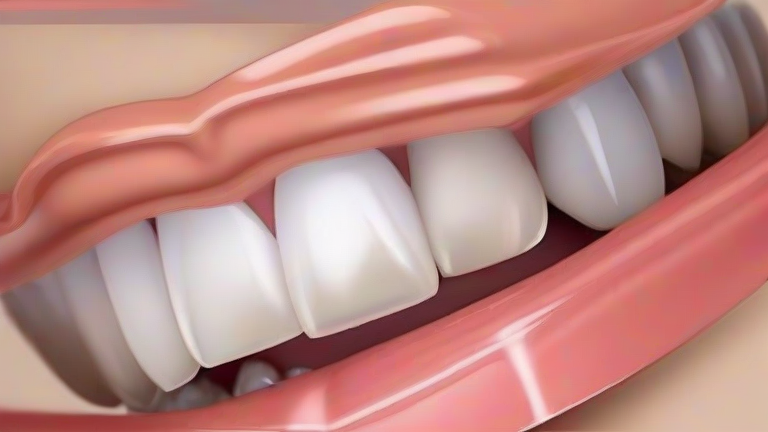
TL;DR: Porcelain veneers enhance aesthetic appeal while preserving more natural tooth structure than crowns, supported by durable, stain-resistant materials. When purchasing, prioritize certified laboratories and transparent pricing to ensure long-term health and satisfaction.
The Science Behind Porcelain Durability
Porcelain veneers are not merely cosmetic enhancements; they are scientifically engineered dental restorations. Unlike composite resin, porcelain possesses a high compressive strength that mimics the natural enamel of human teeth. This material is highly biocompatible, meaning it rarely triggers allergic reactions or gum irritation. Furthermore, porcelain is vitrified during the firing process, creating a surface that is less porous than other dental materials. This characteristic significantly reduces the risk of bacterial accumulation, thereby supporting better long-term oral hygiene. Studies indicate that with proper care, porcelain veneers can last between ten and fifteen years, outperforming many alternative cosmetic procedures in terms of longevity and structural integrity.
If you want to dig deeper, check out our guide on Why the Quiet Luxury Trend Is Pushing Cashmere Sales.
Health Benefits Beyond Aesthetics
While the primary motivation for veneers is often visual, the health benefits are substantial. By covering damaged or misaligned teeth, veneers can improve bite alignment, reducing excessive wear on opposing teeth. This structural support can alleviate jaw tension and potential temporomandibular joint disorders. Additionally, because veneers are custom-fitted, they seal the tooth surface effectively, preventing the ingress of bacteria that could lead to decay. This protective barrier is crucial for individuals with enamel erosion issues. The smooth surface of high-quality porcelain also makes daily brushing and flossing more effective, as there are fewer crevices for plaque to settle in. Consequently, patients often experience improved confidence, which is a documented factor in overall mental well-being and social interaction.
Buying Guide: Selecting Quality Products
When navigating the market for porcelain veneers, the focus must shift from cost alone to material quality and craftsmanship. First, verify the certification of the dental laboratory. Look for labs that use CAD/CAM technology, which ensures precision in fit and thickness. Inquire about the specific type of porcelain used; lithium disilicate is generally preferred for its superior strength and translucency. Avoid products made from lower-grade ceramics that may chip or discolor over time. Additionally, ensure your dentist provides a comprehensive warranty. A reputable provider will guarantee the fit and bonding process, protecting your investment. Finally, compare pricing transparency. Hidden costs, such as lab fees or adjustment appointments, can inflate the total expense. Request a detailed breakdown of all services included in the package to make an informed decision.
Lifestyle Tips for Longevity
Maximizing the lifespan of your porcelain veneers requires mindful lifestyle adjustments. Avoid using your teeth as tools to open packages or bite into hard foods like ice or nuts. Maintain rigorous oral hygiene by brushing twice daily with a non-abrasive toothpaste and flossing daily to prevent gum disease, which can loosen the bonding. Regular dental check-ups every six months are essential to monitor the integrity of the veneers and the health of the underlying teeth. These proactive measures ensure your investment remains both functional and aesthetic for years to come.
FAQ
Q: Are porcelain veneers permanent?
A: While the tooth preparation is irreversible, the veneers themselves can be replaced or repaired if damaged, making them a long-term but not strictly permanent solution.
Q: How do I know if I am a good candidate?
A: You are likely a good candidate if you have healthy gums and sufficient enamel, with issues such as discoloration, chips, or minor misalignment that do not require orthodontic correction.
Q: What is the difference between Emax and regular porcelain?
A: Emax is a brand of lithium disilicate ceramic that offers higher strength and better aesthetics than traditional feldspathic porcelain, making it more durable for front teeth.
Leave a Reply