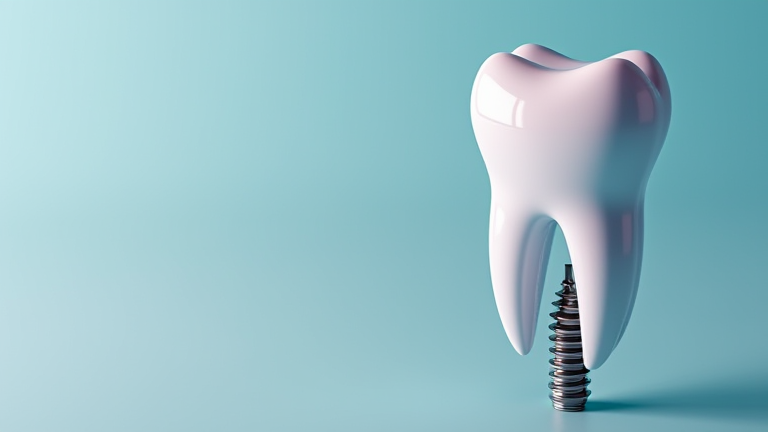
TL;DR: Porcelain dental implants offer superior biocompatibility and aesthetic integration compared to metallic alternatives, potentially reducing long-term inflammatory responses. Choosing high-quality, lab-crafted porcelain supports oral health by minimizing corrosion and enhancing gum tissue compatibility.
The Rise of Ceramic in Dental Restoration
In the realm of modern dentistry, the material choice for dental restoration has evolved significantly. While titanium remains the industry standard for implant posts, the visible crown component is increasingly shifting toward porcelain. This shift is not merely cosmetic; it reflects a deeper understanding of how materials interact with human biology. Porcelain, specifically zirconia-based ceramics, has emerged as a preferred option for patients seeking both functional durability and health-conscious materials. Unlike metals, porcelain is non-conductive and non-corrosive, which is critical for maintaining the integrity of the surrounding soft tissues.
If you want to dig deeper, check out our guide on The Ultimate Porcelain Buying Guide: How to Choose the Best.
Biocompatibility and Health Benefits
One of the most compelling arguments for porcelain dental implants is their biocompatibility. The human body tends to react more favorably to ceramic materials than to certain metals, particularly in individuals with known sensitivities. Studies suggest that metal ions released from titanium or gold amalgams can sometimes trigger localized inflammatory responses or allergic reactions. Porcelain eliminates this risk entirely. By avoiding metallic components in the visible portion of the implant, patients may experience less post-operative swelling and a smoother healing process. Furthermore, porcelain does not leach toxins into the bloodstream, addressing common concerns about heavy metal accumulation. This makes it an ideal choice for those adhering to a holistic health lifestyle who prioritize non-toxic materials in their bodies.
Aesthetic Precision and Oral Hygiene
Beyond biological compatibility, porcelain offers distinct advantages in maintaining long-term oral hygiene. The surface of high-quality porcelain is incredibly smooth and polished. This smoothness inhibits the accumulation of plaque and tartar, which are primary contributors to periodontal disease. In contrast, metallic edges can sometimes create micro-gaps where bacteria thrive. A well-fitted porcelain crown reduces the risk of recurrent cavities at the margin, which is a common issue with metal-ceramic crowns. Additionally, the optical properties of porcelain allow for a natural translucency that mimics the light-reflecting qualities of natural enamel. This aesthetic fidelity boosts patient confidence, which is an often-overlooked aspect of mental wellness and social well-being. Feeling comfortable with your smile can reduce social anxiety and improve overall quality of life.
Selection Criteria for Quality Porcelain
When purchasing or discussing porcelain dental implants, it is essential to understand the quality indicators. Not all porcelain is created equal. High-strength zirconia is recommended for posterior teeth, where bite forces are highest. For anterior teeth, layered porcelain over a zirconia core may provide better aesthetics. Always inquire about the specific ceramic composition used by your dental lab. Look for brands that adhere to ISO standards for dental ceramics. Furthermore, the skill of the technician matters as much as the material. A poorly milled porcelain crown, regardless of its material, can fail. Ensure your dentist works with a reputable lab that utilizes CAD/CAM technology for precision fitting. This technological integration ensures that the implant sits flush with your gum line, preventing food trapping and promoting healthier gums. Prioritize transparency in the manufacturing process, asking about the firing temperature and glazing techniques used, as these factors influence the final hardness and stain resistance of the restoration.
FAQ
Q: Are porcelain implants stronger than metal?
A: Modern high-strength zirconia porcelain is comparable in fracture resistance to titanium, making it suitable for chewing forces, though specific strength varies by brand and thickness.
Q: Do porcelain implants require different maintenance?
A: No, they require standard oral hygiene, but their smooth surface often makes cleaning easier and reduces the risk of plaque buildup compared to rougher metal edges.
Q: Can porcelain implants replace all metal components?
A: Fully ceramic implants exist, but most systems use a zirconia post with a porcelain crown; however, all-metal-free options are available for patients with severe metal sensitivities.
Leave a Reply