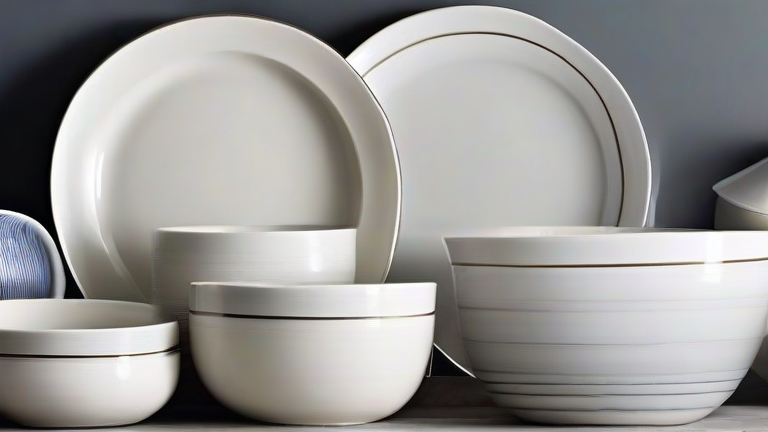
Porcelain Buying Guide: Expert Tips for Perfect Purchases
TL;DR: Select high-quality porcelain by inspecting for uniform thickness, a pure white or consistent color tone, and a flawless glaze free of bubbles or cracks. Ensure the piece is microwave and dishwasher safe by checking manufacturer specifications and testing for weight and balance before purchase.
Step 1: Understand the Types of Porcelain
Before shopping, distinguish between the main categories. Soft-paste porcelain is more delicate and often more affordable, while hard-paste porcelain is denser, more durable, and better suited for everyday use. Bone porcelain, made from animal bone ash, is the most premium option, offering exceptional translucency and strength. Knowing your needs—whether for decorative display or daily dining—will narrow your choices significantly. For heavy daily use, prioritize bone or hard-paste varieties to prevent chipping and breaking.
If you want to dig deeper, check out our guide on Porcelain Buying Guide: Complete Tutorial for Smart Shoppers.
Step 2: Inspect the Physical Quality
When viewing porcelain in person or via high-resolution online images, scrutinize the surface carefully. Look for a smooth, even glaze that reflects light consistently. Any dimples, pinholes, or uneven thickness are indicators of poor manufacturing. Tap the item gently; a high-quality porcelain piece will produce a clear, ringing tone, whereas a dull thud may suggest internal cracks or porous material. Check the edges and rims closely, as these areas are most prone to imperfections and future chipping during use.
Step 3: Verify Functionality and Safety
Confirm that the porcelain is explicitly labeled as microwave-safe and dishwasher-safe if you intend to use it for serving hot food or washing it in an appliance. Not all decorative porcelains can withstand high temperatures or harsh detergents. Additionally, check for lead-free certifications, especially if the item features colorful underglaze patterns. Lead leaching is a health risk, so reputable brands will clearly state that their materials are food-safe and compliant with international safety standards. Always prefer established manufacturers with transparent safety data.
Step 4: Assess Design and Practicality
Consider how the porcelain fits into your existing kitchen or dining aesthetic. Neutral tones offer versatility, while bold patterns make a statement but may show wear over time. Evaluate the size and shape against your typical plate usage. If buying a set, ensure all pieces match in color and pattern. Pay attention to the weight; overly light pieces may feel flimsy, while excessively heavy pieces can be difficult to handle. A good balance suggests substantial quality without being cumbersome for daily service.
Step 5: Review Warranty and Return Policies
Before finalizing your purchase, review the seller’s return policy and warranty terms. High-end porcelain often comes with a limited warranty covering manufacturing defects. Ensure you have a clear path for returns if the items arrive damaged. Keep all packaging materials until you have thoroughly inspected every piece. This protects your investment and ensures you are not stuck with defective merchandise that cannot be replaced or refunded easily.
FAQ
Q: Is bone porcelain better than regular porcelain?
A: Bone porcelain is generally considered superior due to its higher durability, translucency, and elegance, though it is more expensive. It is less prone to chipping and has a finer texture, making it ideal for formal dining settings.
Q: How can I tell if porcelain is real and not ceramic?
A: Real porcelain is thinner, lighter, and more translucent than ceramic. When held up to a light, you should be able to see your hand through the rim. It also rings clearly when tapped, whereas ceramic sounds duller.
Q: Can I put porcelain in the oven?
A: Most standard dinnerware porcelain is not oven-safe and can crack due to thermal shock. Only specific pieces labeled as oven-safe should be used in an oven. Always check the manufacturer’s guidelines for temperature limits.
Leave a Reply