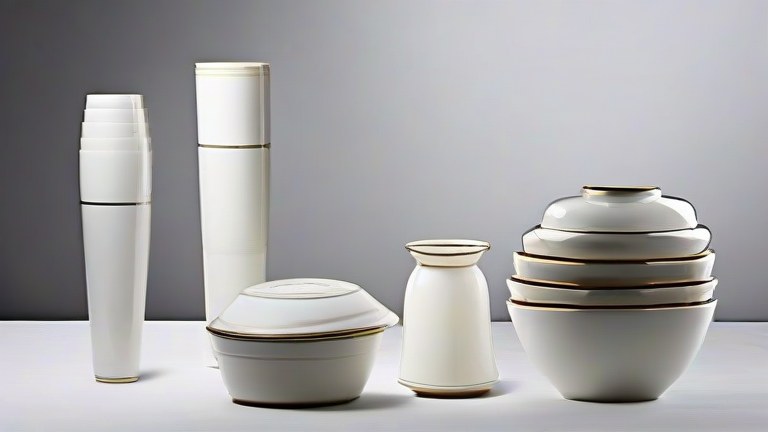
Porcelain Buying Guide: 10 Tips for Beginners
TL;DR: Begin by verifying the manufacturer’s reputation and inspecting the ware for any visible crazing, chips, or glaze imperfections under natural light. Ensure the pieces are safe for their intended use, such as microwave or dishwasher compatibility, before making your purchase.
Buying porcelain can feel daunting for newcomers due to the wide variety of styles, origins, and quality levels available in the market. However, with the right knowledge, you can select durable and beautiful pieces that will last for generations. This guide provides ten essential tips to help you navigate the buying process with confidence and precision.
If you want to dig deeper, check out our guide on Porcelain Buying Guide: Expert Tips for Choosing Quality Pie.
Understand the Types
First, distinguish between soft-paste, hard-paste, and bone porcelain. Hard-paste is the most durable and transparent, while bone porcelain contains animal bone ash, giving it a unique warm white color. Beginners should start with hard-paste for its superior strength and ease of care, as it is less prone to chipping than softer varieties. Understanding these differences helps you set realistic expectations for longevity and appearance.
Check for Crazing
Crazing is a network of fine cracks in the glaze, often caused by thermal shock or poor firing. While some collectors view crazing as a character, for everyday use, it can harbor bacteria and liquid. Hold the piece up to a bright light and look closely at the surface. If you see a web of tiny lines, avoid the item unless you plan to use it strictly for display purposes.
Inspect the Glaze
The glaze should be smooth, even, and free of pinholes or bumps. Run your finger gently over the surface to detect any roughness. Uneven glazing can indicate manufacturing defects that may lead to further damage. A high-quality glaze feels silky and consistent, enhancing both the aesthetic and the functional durability of the porcelain piece.
Verify Weight and Density
Hold the item in your hand; quality porcelain feels dense yet surprisingly light. If it feels too heavy, it may be a lower-quality ceramic masquerading as porcelain. If it feels flimsy, it may lack the structural integrity needed for daily use. The balance of weight and transparency is a key indicator of high-fired, premium porcelain craftsmanship.
Look for Manufacturer Marks
Check the bottom of the piece for maker’s marks. Established brands often have distinct logos that guarantee quality control. Research these marks online to verify authenticity. Buying from reputable manufacturers reduces the risk of purchasing counterfeit or low-grade items that may fail under normal household conditions.
Test for Sound
Gently tap the body of the piece with a finger or a small metal object. High-quality porcelain produces a clear, ringing tone. A dull thud suggests internal cracks or poor firing. This simple acoustic test can reveal hidden flaws that are not visible to the naked eye, saving you from buying defective ware.
Consider Size and Scale
Measure the dimensions carefully before purchasing, especially for plates and serving dishes. Porcelain expands slightly when wet, so ensure the pieces fit your existing tableware sets if you are building a collection. Mismatched sizes can create visual clutter and practical difficulties during serving and storage arrangements.
Assess Color Consistency
For colored or patterned porcelain, check for uniformity. Inconsistent color distribution can indicate poor quality control. Look for fading or uneven application, which can worsen over time with washing. Consistent color ensures the piece maintains its beauty and value throughout its lifespan, providing long-term satisfaction.
Check Care Instructions
Review the manufacturer’s care instructions. Some porcelain requires hand washing to preserve the glaze or gold trim. If you prefer the convenience of dishwasher use, ensure the item is explicitly labeled as dishwasher-safe. Ignoring care guidelines can lead to rapid deterioration, making the purchase a costly mistake for your household routine.
Leave a Reply