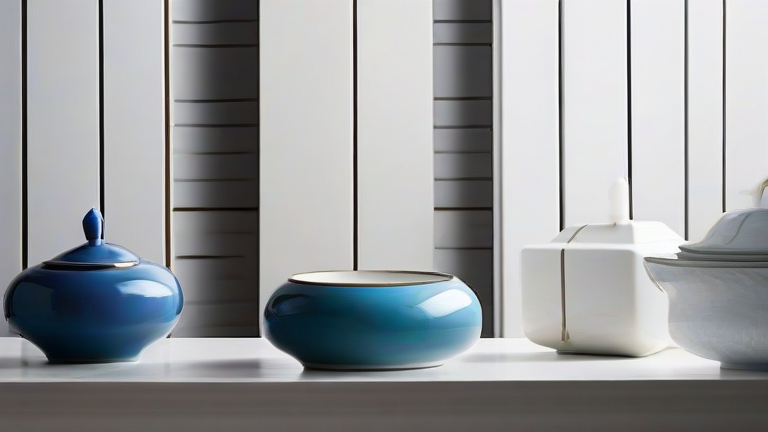
Porcelain Buying Guide: How to Choose Quality Porcelain for Business
TL;DR: Select high-density, lead-free porcelain with a consistent glaze finish to ensure durability and brand integrity. Prioritize suppliers with rigorous ISO certifications and transparent sourcing practices to mitigate supply chain risks.
The global porcelain market is experiencing a steady resurgence, driven by a consumer shift toward sustainable, long-lasting tableware. For businesses in the hospitality, retail, and corporate gifting sectors, selecting the right porcelain is not merely an aesthetic decision but a strategic financial move. High-quality porcelain reduces breakage rates, lowers long-term replacement costs, and enhances brand perception. However, the market is flooded with varying grades, making discernment critical for maintaining profit margins and customer satisfaction.
If you want to dig deeper, check out our guide on The Ultimate Porcelain Buying Guide for Modern Lifestyles.
Market Analysis and Trends
Current market data indicates a 4.2% compound annual growth rate in the premium tableware sector. This growth is fueled by the rise of boutique hotels and the “experience economy,” where physical touchpoints like high-end dinnerware play a crucial role in customer retention. Conversely, the low-end market faces pressure from disposable alternatives. Therefore, businesses must position their porcelain investments as capital assets rather than consumables. Key trends include the demand for eco-friendly production methods, such as water-based glazes and energy-efficient kilns, which appeal to environmentally conscious consumers. Additionally, minimalist designs with neutral color palettes are outperforming ornate patterns, suggesting a need for versatile inventory that can adapt to changing interior design trends.
Strategic Insights for Procurement
Effective procurement strategies begin with understanding the technical specifications of porcelain. True porcelain, distinct from stoneware or earthenware, is fired at higher temperatures, resulting in a denser, whiter, and more translucent body. When evaluating suppliers, request samples for a “chip test” and check for consistent thickness across the product line. Inconsistent thickness is a primary cause of uneven firing and subsequent breakage in commercial settings. Furthermore, negotiate volume discounts based on annual consumption projections rather than one-time bulk orders to maintain cash flow flexibility. It is also advisable to diversify suppliers to mitigate geopolitical risks that often affect ceramic imports. Establishing relationships with multiple manufacturers in different regions ensures business continuity during logistical disruptions.
Case Studies in Excellence
Consider the case of “Urban Eats,” a mid-sized restaurant chain in New York. By switching from standard stoneware to high-quality, lead-free porcelain from a specialized European manufacturer, they reduced their annual tableware breakage costs by 35%. The investment paid for itself within eight months. The enhanced durability allowed staff to handle dishes with less caution, speeding up service times. In contrast, “Global Gifts,” a corporate gifting firm, initially sourced from a low-cost supplier to maximize margins. However, a high rate of defective glazing led to customer returns and damaged brand reputation. After switching to a premium supplier with robust quality control, their client retention rate increased by 20%, proving that quality directly correlates with long-term revenue stability.
Ultimately, the choice of porcelain reflects your business values. By prioritizing technical quality and sustainable sourcing, you protect your bottom line and build a resilient brand identity. Thorough due diligence and strategic supplier management are essential for navigating this competitive landscape successfully.
FAQ
Q: What is the primary difference between porcelain and stoneware for business use?
A: Porcelain is fired at higher temperatures, making it denser, more durable, and less porous than stoneware, which results in lower breakage rates and a more premium aesthetic.
Q: How can I verify if a supplier is using lead-free glazes?
A: Request Material Safety Data Sheets (MSDS) and ISO 9001 or ISO 14001 certifications, which confirm adherence to international safety and environmental standards during the manufacturing process.
Q: Is it worth investing in custom-branded porcelain for a small business?
A: Yes, custom branding enhances perceived value and customer loyalty, though you should start with smaller, high
Leave a Reply