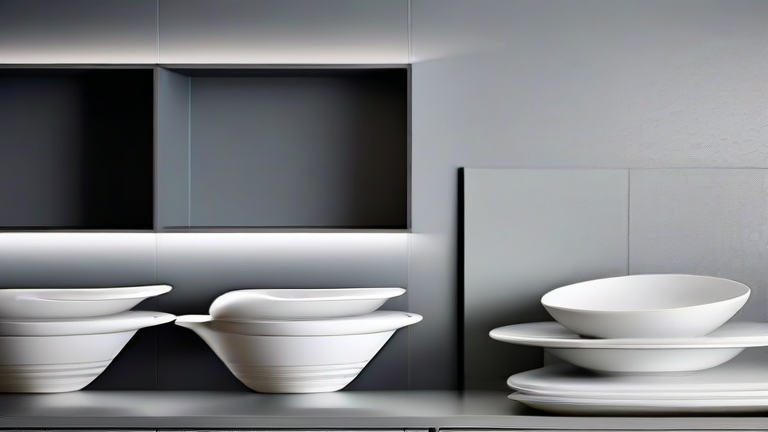
TL;DR: Choose lead-free, food-safe porcelain certified by FDA or LFGB standards to avoid heavy-metal leaching into acidic foods. Prioritize fully glazed, chip-resistant stoneware-style porcelain for daily use, as it offers non-reactive, bacteria-resistant surfaces that support clean, chemical-free meal prep.
Why Porcelain Matters for Your Health
Unlike plastic or non-stick coatings, high-quality porcelain is a vitrified ceramic fired at over 1,200°C. This creates a non-porous, glass-like surface that does not harbor bacteria, absorb odors, or release microplastics. For individuals with chemical sensitivities or those reducing endocrine disruptors, porcelain is a safer alternative to melamine or decorated earthenware, which may contain lead or cadmium in their glazes. A 2020 study in *Environmental Health Perspectives* linked long-term dietary lead exposure to cardiovascular and renal issues, making material selection a genuine public-health concern.
Science-Backed Selection Criteria
When buying porcelain, look for three markers: 1) Certification – FDA (U.S.) or LFGB (German) compliance ensures no toxic metals. 2) Glaze integrity – the entire surface, including the foot rim, must be glazed to prevent moisture absorption and bacterial growth. 3) Firing temperature – true porcelain is fired above 1,300°C, making it non-absorbent (water absorption <0.5%). Avoid "porcelain-like" ceramic that is merely painted over low-fire clay; test by checking for a clear, glossy, and uniform finish without crazing (fine cracks), which can trap food particles.
Lifestyle Tips for Daily Use
Use porcelain for acidic foods (tomato sauce, citrus, vinegar) since it won’t leach metallic tastes. For hot beverages, choose double-walled porcelain mugs to prevent thermal shock and burns. Skip microwave use if the porcelain has metallic gold or platinum trims – these can arc and release fumes. Hand-wash decorated pieces with mild soap; avoid abrasive scrubbers that scratch the glaze, exposing the clay body. Replace any porcelain with visible chips or deep scratches, as these become breeding grounds for bacteria and may release glaze particles.
Practical Buying Checklist
Before purchasing, run a simple lemon test: rub a cut lemon on the surface for 30 seconds. If you smell metal or see discoloration, reject it. Check the bottom – unglazed rough rims are a red flag for moisture absorption. Buy from brands that publish their material safety data sheets (MSDS) and avoid anonymous discount-store sets. For kids, choose porcelain with all-over glaze and no decals, as children’s acidic foods (fruit purees) can accelerate leaching.
FAQ
Q: Is porcelain safer than stainless steel for everyday cooking?
A: Yes for acidic and long-contact foods, but stainless steel is more impact-resistant. Porcelain’s non-reactive surface prevents metallic transfer, while steel can leach nickel and chromium, especially in acidic dishes. Use porcelain for baking, serving, and storage; use steel for quick boiling.
Q: Can I use vintage porcelain plates safely?
A: Only if they test negative for lead. Pre-1970s glazes often contain lead, even in branded items. Purchase a home lead-test kit (3M) and swab all colored areas. If positive, use them as decorative wall art, not for food.
Q: Does bone china count as healthy porcelain?
A: Yes, if it’s high-quality and lead-free. Bone china contains up to 30% bone ash, which adds translucency and strength but not toxicity. Verify LFGB certification, as some cheap bone china uses lead-based flux. When in doubt, choose plain white bone china without colored rims.
Leave a Reply