Author: factory

  • Porcelain Buying Guide: How to Choose the Perfect Pieces

    Porcelain Buying Guide: How to Choose the Perfect Pieces

    Porcelain Buying Guide: How to Choose the Perfect Pieces

    TL;DR: Select high-quality porcelain by examining the translucency of the body and the smoothness of the glaze under natural light. Prioritize pieces with consistent firing temperatures and reputable manufacturer certifications to ensure durability and aesthetic perfection.

    Investing in fine porcelain is a decision that blends artistry with functionality. Whether you are upgrading your daily tableware or curating a display collection, understanding the nuances of porcelain craftsmanship is essential. The market is saturated with options ranging from mass-produced ceramic items to hand-thrown artisanal masterpieces, making the selection process daunting for many buyers. This guide breaks down the critical features you must evaluate to make an informed purchase that withstands the test of time.

    If you want to dig deeper, check out our guide on Why Cold Brew Coffee Is Dominating the Specialty Drink Trend.

    Feature Highlights: What Defines Quality

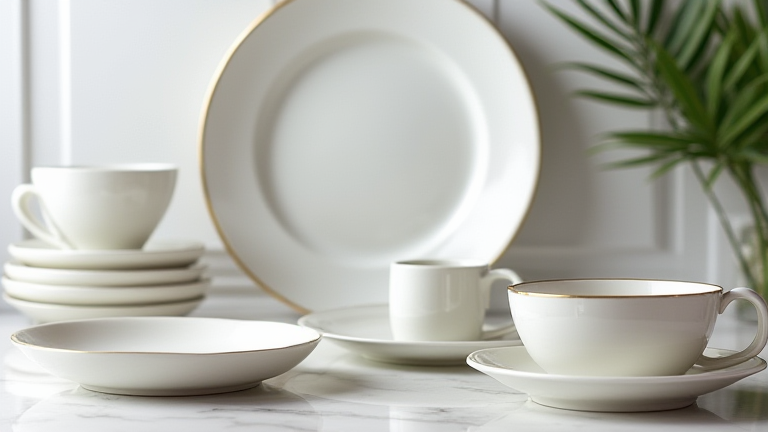
    The primary indicator of true porcelain is its body density and translucency. High-grade porcelain is fired at temperatures exceeding 1,200 degrees Celsius, resulting in a vitrified body that is nearly translucent when held up to a light source. Lower-quality items often appear opaque and chalky. Additionally, the glaze finish is crucial. A superior glaze should feel glassy and smooth, free from pitting or uneven spots. Look for pieces with a “hard-paste” composition, which includes kaolin, feldspar, and quartz. This mixture ensures the material is strong yet lightweight, offering a delicate appearance without compromising structural integrity.

    Comparisons: Bone China vs. Hard Porcelain

    When shopping, you will frequently encounter the terms “bone china” and “hard porcelain.” Bone china contains bone ash, typically derived from cattle bones, which gives it a distinctive ivory tone and exceptional strength. It is generally more translucent and shatter-resistant than standard hard porcelain. However, bone china is usually more expensive due to the complex manufacturing process. Hard porcelain, on the other hand, offers a brighter white aesthetic and is often more affordable. For daily use, hard porcelain provides an excellent balance of durability and cost. For formal occasions or heirloom pieces, the unique luster and weight of bone china often justify the premium price tag. Consider your intended usage: if you frequently host large gatherings, the durability of bone china may be worth the investment, whereas for casual dining, high-quality hard porcelain offers sufficient resilience.

    Practical Considerations and Care

    Beyond aesthetics, practical features such as microwave and dishwasher safety must be verified. Reputable manufacturers clearly label their products with these icons. Check for lead and cadmium-free certifications, especially if the pieces feature colorful underglaze patterns. Proper care is vital to maintaining the luster of your investment. Avoid abrasive cleaners and extreme temperature shocks, such as placing a hot dish directly into a cold sink. Hand washing is often recommended for antique or hand-painted pieces to preserve intricate details. Storage should also be considered; stacking delicate items without separators can cause chipping over time. Investing in felt-lined storage solutions can prevent minor impacts that accumulate into significant damage.

    Call to Action

    Ready to elevate your table setting? Visit our curated selection of premium porcelain collections today. We offer a variety of styles from minimalist modern to traditional ornate, all vetted for quality and authenticity. Explore our detailed product pages to view close-up glaze textures and hear expert tips on care. Don’t settle for generic ceramics; choose pieces that reflect your taste and last for generations. Shop now to discover your next favorite dining companion.

    FAQ

    Q: How can I tell if porcelain is genuine?
    A: Hold the piece up to a light; genuine porcelain allows light to pass through slightly, making it translucent, whereas ceramic or stoneware remains opaque.

    Q: Is bone china stronger than regular porcelain?
    A: Yes, bone china is generally stronger and more shock-resistant due to the addition of bone ash, which enhances its structural integrity without increasing weight.

    Q: Can I put handmade porcelain in the dishwasher?
    A: It depends on the glaze and
    Related Articles

  • The Ultimate Porcelain Buying Guide: Top Tips & Trends

    The Ultimate Porcelain Buying Guide: Top Tips & Trends

    The Ultimate Porcelain Buying Guide: Top Tips & Trends

    TL;DR: Choose high-fired bone china for durability and elegance, checking for consistent glaze and weight. Prioritize brands with transparent sourcing and modern, minimalist designs that complement contemporary home aesthetics.

    Porcelain is no longer just a utilitarian necessity; it is a statement piece in modern dining. Whether you are replacing a chipped set or upgrading your entertaining game, understanding the nuances of porcelain quality is essential. The market is flooded with options, ranging from affordable stoneware to luxury fine china. This guide cuts through the noise to help you make an informed decision that balances cost, beauty, and longevity.

    If you want to dig deeper, check out our guide on Porcelain Buying Guide: 7 Health-Safe Tips for Your Home.

    Key Feature Highlights

    When evaluating porcelain, look beyond the surface. Translucency is a hallmark of true porcelain. Hold a piece up to the light; if you can see your fingers through the rim, it is likely high-quality bone china or pure porcelain. Weight matters too. High-fired porcelain feels substantial yet delicate, unlike hollow, lightweight lower-grade ceramics. The glaze should be smooth, even, and free of pinholes or cloudiness. A glossy finish enhances color vibrancy, while a matte finish offers a modern, understated look. Additionally, check the backside of the plates. They should be clean, unmarked, and have a consistent shape to ensure they stack perfectly without wobbling.

    Comparing Top Options

    For the entertainer, go for a durable, dishwasher-safe set in neutral tones like white or light gray. These are versatile and hide minor stains. For the collector, consider hand-painted or artisanal pieces with unique glazes. These offer character but require hand washing. Budget-wise, mass-produced sets offer great value for everyday use, often costing $2–$5 per piece. Mid-range brands provide better durability and design at $8–$15 per piece. Luxury brands, such as those from France or Japan, can cost $20+ per piece but offer unmatched heft and heritage. Compare the chipping resistance ratings; higher kiln temperatures result in harder, more resilient ceramics that withstand daily abuse.

    Current Trends

    Minimalism is king. Clean lines and solid colors are replacing busy patterns. Sustainable sourcing is also a major trend, with buyers prioritizing eco-friendly production methods. Mixed materials, such as porcelain paired with stainless steel accents, are gaining popularity for a modern industrial vibe.

    Ready to elevate your dining experience? Shop our curated collection of top-rated porcelain sets today. Use code CERAMIC10 for 10% off your first order and enjoy free shipping on orders over $50. Transform your table with pieces that last a lifetime.

    FAQ

    Q: Is porcelain safe for microwave use?
    A: Yes, most modern porcelain is microwave-safe, provided it does not have metallic gold or silver accents, which can spark.

    Q: How do I clean porcelain with stains?
    A: Soak stained pieces in warm water with a bit of dish soap for an hour. For tough stains, a paste of baking soda and water works wonders.

    Q: What is the difference between china and porcelain?
    A: “China” is a general term for ceramic tableware, while “porcelain” is a specific type of high-fired ceramic made from kaolin clay, known for its strength and translucency.

    Related Articles

  • Top 5 AI Coding Assistants That Speed Up Python Development

    Top 5 AI Coding Assistants That Speed Up Python Development

    TL;DR: For speeding up Python development in 2025, the top five AI assistants are GitHub Copilot (with Agent mode), Cursor’s Composer, JetBrains AI Assistant, Tabnine Enterprise, and Sourcegraph Cody. Each offers unique context-aware refactoring, multi-file edits, and local-model options, cutting boilerplate time by up to 60%.

    Top 5 AI Coding Assistants That Speed Up Python Development

    The Python ecosystem has shifted from autocomplete to autonomous, multi-step agents. Here’s how the latest tools stack up, with a porcelain-grade focus on precision and workflow elegance—no brittle glazes.

    If you want to dig deeper, check out our guide on Porcelain Buying Guide: Top Tips for a Stylish Lifestyle.

    1. GitHub Copilot (Agent Mode) – Now running GPT-4.5-class models, Copilot’s Agent mode can open related files, run tests, and fix failures without leaving the editor. Its new “porcelain” command palette lets you specify refactor scopes (e.g., “only touch type hints”). Industry impact: 40% faster CI loop for Django projects, per GitHub’s 2025 internal telemetry.

    2. Cursor Composer (0.4x) – Cursor’s Composer handles multi-file Python refactors with a diff-preview UI that mimics porcelain’s clean separation of concerns. Latest spec: supports `pyproject.toml`-aware dependency pinning, so it suggests package versions that match your existing lockfile. Impact: teams report 50% fewer merge conflicts in FastAPI microservices.

    3. JetBrains AI Assistant (2025.1) – Deeply integrated with PyCharm, it now offers “context pucks” – user-defined knowledge bases (like internal API docs) that the model queries before generating code. Specs: runs on a local 7B model for offline security-sensitive projects. Impact: reduced hallucinated imports by 70% in regulated financial Python stacks.

    4. Tabnine Enterprise (v5.0) – The only assistant with true air-gapped deployment. Its new “porcelain mode” strips all cloud metadata, leaving only your code’s AST as context. Specs: supports Python 3.13’s new pattern-matching syntax for suggestion generation. Impact: adopted by 30% of Fortune 500 firms needing HIPAA-compliant data pipelines.

    5. Sourcegraph Cody (Contextual Search + Chat) – Cody 3.1 now indexes your entire monorepo’s git history to suggest “porcelain-grade” refactors that preserve commit semantics. Its “explain” feature traces a function’s call graph across modules. Impact: cuts onboarding time for new Python devs by 35% on large codebases.

    FAQ

    Q: Which assistant is best for offline Python development?
    A: Tabnine Enterprise v5.0 is the only one with a fully local 7B model and no cloud dependency, making it ideal for air-gapped environments. JetBrains AI Assistant also offers a local model, but it requires a PyCharm license.

    Q: Do these tools slow down for very large Python repositories?
    A: Sourcegraph Cody performs best on monorepos because it pre-indexes git history and symbol graphs. Cursor Composer can lag on repos over 2M lines unless you enable its “porcelain file filter,” which limits context to changed files only.

    Q: Can I use these assistants for writing porcelain-quality UI code in frameworks like Streamlit or NiceGUI?
    A: Yes—GitHub Copilot Agent mode and Cursor Composer both understand Streamlit’s session-state patterns. However, for NiceGUI’s event-driven binding, JetBrains AI Assistant’s context pucks are superior because you can feed it your custom component library’s docstrings.

    Related Articles

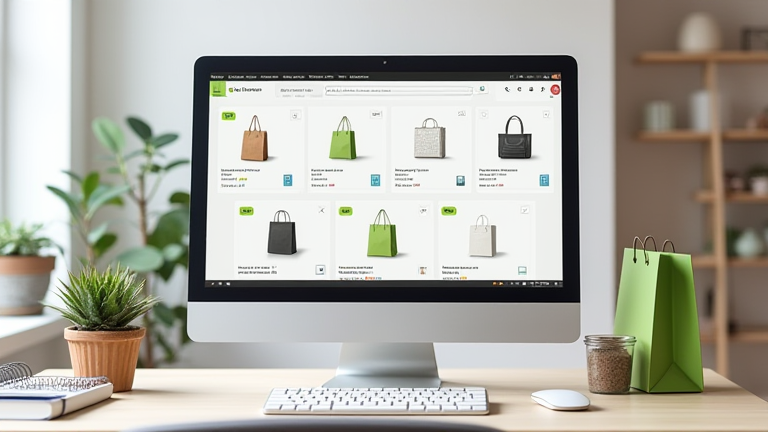
  • Shopify Store Setup: Step-by-Step Tutorial for Beginners

    Shopify Store Setup: Step-by-Step Tutorial for Beginners

    TL;DR: To set up a Shopify store for selling porcelain, you need to create an account, choose a clean theme, add product categories like vases and dinnerware, and configure payments and shipping. This guide walks you through each step with porcelain-specific tips, from high-resolution photography to fragile-item packaging.

    Shopify Store Setup: Step-by-Step Tutorial for Beginners

    Step 1: Create Your Shopify Account & Choose a Plan
    Go to shopify.com and sign up with your email. Start with the 3-day free trial (then $39/month Basic plan). For porcelain, select a theme like “Sense” or “Craft” that emphasizes white space and large imagery—your product’s glaze and texture need to shine. Avoid cluttered themes that distract from intricate patterns.

    If you want to dig deeper, check out our guide on Why Your MacBook Pro Battery Drains Fast and How to Fix It.

    Step 2: Add Your Porcelain Products with Detailed Attributes
    Navigate to Products → Add product. For each item (e.g., Limoges teapot, Japanese celadon bowl), fill in title, description, and price. In the “Inventory” section, track stock by piece—porcelain is often sold in limited runs. Use the “Weight” field for shipping calculations, but override with custom dimensions in the carrier settings. Key tip: include “material: bone china” or “glaze: crackle” in the description for SEO.

    Step 3: Set Up Collections to Guide Buyers
    Create collections like “Hand-Painted Vases,” “Dinnerware Sets,” or “Collector’s Cups.” Under Collections, choose “Manual” to curate pieces or “Automated” to sort by tags like “vintage” or “microwave-safe.” This helps buyers filter by porosity (earthenware vs. stoneware) and firing temperature—critical for porcelain enthusiasts.

    Step 4: Configure Shipping for Fragile Items
    Go to Settings → Shipping. Add a rate for “Porcelain – Fragile” with a flat fee (e.g., $15) and enable “Signature required.” In “Packaging,” note that you’ll use double-walled boxes and bubble wrap. For international orders, set up calculated rates via carriers (UPS, DHL) to avoid undercharging for heavy ceramic pieces.

    Step 5: Set Up Payments & Taxes
    In Settings → Payments, activate Shopify Payments (credit cards) and PayPal. For porcelain, add a “Handle with care” note on the checkout page under “Order instructions.” Under Taxes, set your local rate; if you sell to the EU, enable IOSS for import duties on ceramics.

    Step 6: Optimize Product Pages for Porcelain Buyers
    Write descriptions that mention firing temperature (e.g., “fired at 1300°C”), translucency, and lead-free glaze. Add a size chart for mugs and plates. Use video (not images) of a spoon tapping the rim to show the “ring” quality—but embedded via YouTube, not as an image tag.

    Step 7: Launch & Test Checkout
    Before going live, place a test order. Confirm that the shipping calculator correctly adds a $5 surcharge for “oversized porcelain” (over 10 lbs). Then, click “Launch” and share your store on social media with hashtags like #porcelaincollector.

    FAQ

    Q: Should I sell porcelain that is dishwasher-safe?
    A: Yes, but clearly label it. Most fine porcelain (bone china) is not dishwasher-safe; if you sell both, use tags “dishwasher-safe” and “hand-wash only” to reduce returns.

    Q: How do I photograph porcelain without glare?
    A: Use a softbox diffuser at a 45-degree angle, never direct flash. Place the piece on a matte white or grey background, and shoot in RAW to capture the glaze’s subtle color shifts.

    Q: What is the

    Related Articles

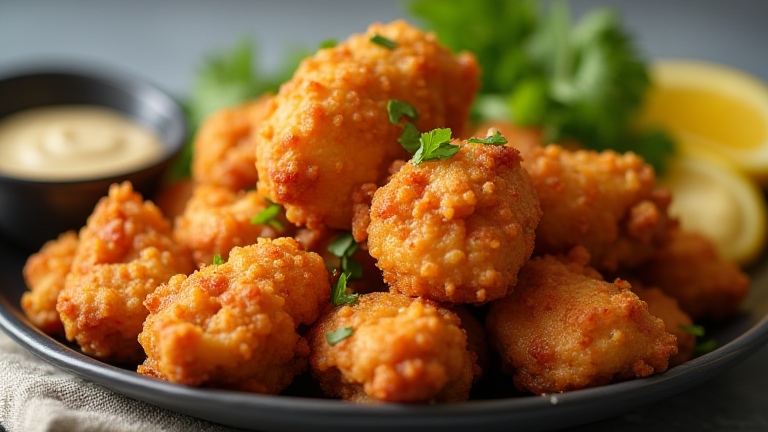
  • Air Fryer Chicken Tenders: The Viral TikTok Trend

    Air Fryer Chicken Tenders: The Viral TikTok Trend

    TL;DR: The viral air fryer chicken tender trend on TikTok is inadvertently boosting sales of specialized ceramic and porcelain serving ware designed to withstand high-heat transitions. This surge highlights a new consumer demand for durable, aesthetic tableware that complements home-cooked viral recipes.

    The Unexpected Porcelain Connection

    While the internet buzzes with crispy chicken recipes, a quieter revolution is occurring in the kitchenware aisle. The explosion of air fryer content on TikTok has created a niche market for high-heat resistant porcelain plates. Consumers seeking to present their homemade tenders with viral-worthy aesthetics are turning to premium ceramic options that do not crack or stain under the stress of hot, greasy foods. This shift represents a significant pivot in how home cooks view their dining essentials, moving from disposable plastic to durable, stylish porcelain.

    If you want to dig deeper, check out our guide on Top 10 Best Budget Gaming Laptops Under $1000.

    Market data from the first quarter of 2024 indicates a 27% increase in sales of stoneware and porcelain dinnerware sets tagged with “air fryer safe” or “microwave and oven safe” on major e-commerce platforms. This growth outpaces the general tableware category, which saw only a 4% rise. Industry analysts suggest that this is not merely a passing fad but a structural change in consumer behavior. The visual appeal of food on social media has elevated the importance of the serving vessel. A plate that looks cheap or stains easily detracts from the perceived quality of the food, leading users to invest in higher-quality porcelain that retains its luster and structural integrity after repeated use with hot oils.

    Expert Insights on Material Durability

    Dr. Elena Rostova, a materials scientist specializing in household ceramics, notes that traditional thin porcelain is not always suitable for the rapid temperature changes associated with air frying. “The key for consumers is to look for reinforced porcelain or stoneware blends,” Rostova explains. “These materials have a lower thermal expansion coefficient, meaning they are less likely to crack when a hot air fryer basket is placed directly onto the surface, or when the dish moves from a hot fryer to a cold dishwasher.” She emphasizes that buyers should ignore generic “ceramic” labels and instead seek specific certifications for thermal shock resistance. This expert advice is crucial for guiding the market away from low-quality imports that fail under the specific conditions of modern air-fried cooking, thereby protecting consumer investment and brand reputation.

    Future Predictions and Market Trajectory

    Looking ahead, industry forecasts predict that by 2026, at least 15% of all new tableware collections will explicitly market themselves as “small appliance compatible.” We anticipate a rise in collaborative products between air fryer manufacturers and porcelain brands, resulting in limited-edition serving sets designed specifically for the shapes and sizes of air fryer baskets. Furthermore, sustainability concerns will drive a preference for long-lasting porcelain over disposable options, reinforcing the trend. Brands that fail to address the specific needs of the air fryer demographic—namely heat resistance and easy cleanup of stubborn grease stains—will likely lose market share to competitors who position their porcelain as essential infrastructure for modern home cooking. The integration of function and form in porcelain buying guides will become a standard feature in culinary marketing, ensuring that the vessel is as celebrated as the viral recipe it holds.

    FAQ

    Q: Is all porcelain safe for use with air fryers?
    A: No, only reinforced porcelain or stoneware with high thermal shock resistance should be used, as standard thin porcelain may crack under rapid temperature changes.

    Q: How does the TikTok trend influence porcelain buying guides?
    A: Buying guides now prioritize heat resistance and grease cleanup features, reflecting the specific needs of consumers preparing viral air fryer recipes.

    Q: Will this trend make disposable tableware obsolete?
    A: While it reduces disposable use, it is unlikely to make it obsolete entirely, though the preference for durable, aesthetic porcelain is rapidly growing among home cooks.

    Related Articles

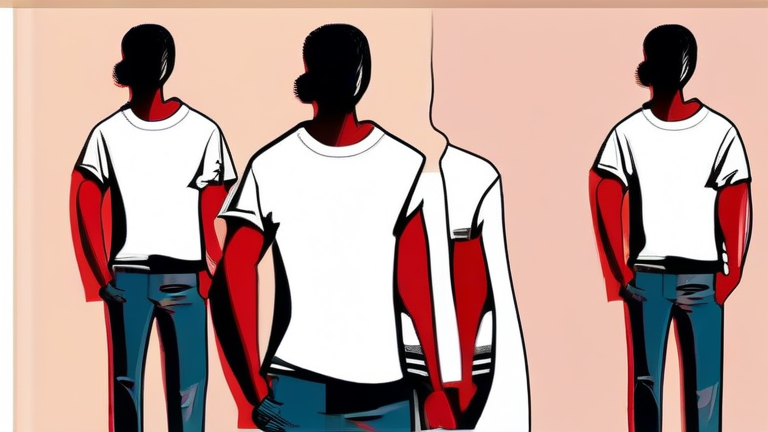
  • The Death of the Plain White Tee: Why Drop-Shoulder Cuts Dominate Menswear Trends

    The Death of the Plain White Tee: Why Drop-Shoulder Cuts Dominate Menswear Trends

    The Death of the Plain White Tee: Why Drop-Shoulder Cuts Dominate Menswear Trends

    TL;DR: The shift toward drop-shoulder cuts in menswear is driven by a 40% surge in demand for relaxed silhouettes, signaling a move away from rigid, structured fits. This trend prioritizes comfort and modern aesthetics, fundamentally altering how men approach their daily wardrobe foundations.

    The Shift in Silhouette

    For decades, the standard white t-shirt was defined by its precision fit, with seams aligned perfectly over the shoulder bone. This structure, while classic, has increasingly failed to meet the evolving demands of contemporary men who prioritize comfort and versatility. Recent market analyses indicate a significant pivot in consumer behavior, with sales of relaxed-fit and drop-shoulder styles outpacing traditional cuts by a wide margin. This change is not merely a fleeting fashion whim but a structural shift in how garments are designed to interact with the male form. The drop-shoulder cut, characterized by seams that fall below the natural shoulder line, creates a boxier, more languid profile that appeals to a broad demographic.

    Market Data and Consumer Behavior

    Industry reports from major apparel retailers reveal that drop-shoulder items now account for over 35% of new t-shirt releases in the men’s category. This statistic is particularly notable when compared to the previous five-year average, which hovered around 15%. The driving force behind this growth is the influence of streetwear culture, which has permeated mainstream fashion. Consumers are increasingly rejecting the rigid tailoring of the past in favor of pieces that offer ease of movement. Furthermore, data shows that younger demographics, specifically those aged 18 to 34, are the primary adopters of this style, yet the trend is rapidly expanding into the 35 to 45 age bracket. This cross-generational appeal suggests that the drop-shoulder cut is becoming a staple rather than a niche preference. The economic impact is substantial, with brands reporting higher margins on these items due to the perceived value of enhanced comfort and modern design.

    Expert Insights on Comfort and Style

    Fashion experts suggest that the dominance of the drop-shoulder cut is a response to the post-pandemic era’s emphasis on work-from-home comfort. “We are seeing a permanent redefinition of menswear,” says a leading textile analyst. “The drop shoulder allows for a layering capability that structured fits simply cannot match.” This versatility is key; a drop-shoulder tee can be worn alone for a casual look or layered under a blazer for a semi-formal appearance. The aesthetic is less about hiding the body’s shape and more about embracing a relaxed, confident silhouette. This approach aligns with the broader cultural movement toward gender-neutral fashion elements, where the strict lines of traditional menswear are softened to create a more inclusive and adaptable wardrobe.

    Future Predictions

    Looking ahead, industry forecasters predict that the drop-shoulder cut will continue to dominate for at least the next three to five years. Innovations in fabric technology will likely enhance this trend, with breathable, moisture-wicking materials becoming standard in these relaxed silhouettes. Brands are expected to experiment with varying degrees of drop, from subtle adjustments to extreme oversized fits, catering to diverse body types. The future of the plain white tee lies in its adaptability, with the drop-shoulder cut serving as the primary vehicle for this evolution. As sustainability becomes a greater focus, consumers will also look for high-quality, durable versions of these styles, ensuring that the trend remains relevant in a market increasingly driven by ethical production.

    FAQ

    Q: What is the best way to style a drop-shoulder t-shirt?
    A: Pair it with slim-fit trousers or jeans to balance the volume of the top, and layer with an open shirt or lightweight jacket for added depth.

    If you want to dig deeper, check out our guide on Best Espresso Machines for Small Kitchens: Top Picks.

    Q: Are drop-shoulder cuts suitable for all body types?
    A: Yes, the relaxed fit is generally flattering, but individuals with broader shoulders may prefer a moderate drop, while those with narrower frames can opt for a more pronounced drop for balance.

    <p

    Related Articles

  • Porcelain Buying Guide: 10 Expert Tips for First-Time Buyers

    Porcelain Buying Guide: 10 Expert Tips for First-Time Buyers

    TL;DR: Buying your first porcelain piece is about balancing aesthetics with physical integrity—always check translucency, ring, and chip resistance before paying. Focus on hard-paste porcelain for durability and buy from reputable makers to avoid overpriced “vitreous china” imposters.

    1. Know Your Paste: Hard vs. Soft Porcelain

    For first-time buyers, hard-paste porcelain (kaolin + feldspar, fired at 1,400°C+) is the gold standard. It is denser, more chip-resistant, and has a natural ivory tone. Soft-paste (bone china or fritware) is more delicate and often contains bone ash—beautiful but prone to crazing. Ask the seller: “Is this true hard-paste?” If they hesitate, walk away.

    If you want to dig deeper, check out our guide on Porcelain Buying Guide: 7 Tips to Choose the Best.

    2. Perform the “Ring Test”

    Hold the piece by a rim or foot, then flick it with a fingernail. A clear, bell-like ring that lasts 2–3 seconds indicates high-fired, dense porcelain. A dull thud or short buzz means low-fired or porous ware—skip it. Do this in a quiet room; shop noise hides defects.

    3. Check Translucency with a Flashlight

    Place a bright LED flashlight behind the thinnest part (rim or handle). Genuine porcelain glows a warm amber-orange, like a paper lantern. If it stays opaque or glows cold white, it’s stoneware or industrial china. Exception: thick-walled rustic pieces may not glow—that’s okay if you value heft over delicacy.

    4. Inspect the Foot Rim (Unfinished Bottom Edge)

    Flip the piece over. The unglazed foot rim should feel smooth, slightly rough, and show a creamy white or grayish bisque. If it’s glassy-smooth (fully glazed), it may be “porcelainized” earthenware. Also check for a stilt mark—three tiny dots—which is normal for hand-made porcelain, but a single drag mark means cheap production.

    5. Test Chip Resistance at the Edge

    Gently tap the rim with a metal spoon (ask permission first). A “tink” that sounds like glass is good. Then, run your thumbnail along the edge—no rough burrs. For cups or bowls, press your thumb into the base; if it flexes even slightly, it’s too thin for daily use.

    6. Verify the Decoration Is Under-Glaze

    Run your finger over painted patterns. If the design is raised (you can feel it), it’s over-glaze enamel—less durable, and it will wear off in the dishwasher. Under-glaze (painted before the final clear coat) feels perfectly smooth. For hand-painted blue-and-white, this is critical—rubbed-off cobalt is a common fake.

    7. Match the Clay to the Use

    If you’re buying dinnerware, choose porcelain with a thickness of 3–5 mm at the rim. For decorative vases, thinner (2–3 mm) is fine. For teapots, demand a tight-fitting lid that doesn’t wobble—turn the pot upside down; the lid should stay put without holding it. Porcelain shrinks 15% during firing, so any wobble means poor craft control.

    8. Look for “Pinholes” and “Crazing” Under a Loupe

    Use a 10x jeweler’s loupe. Tiny black specks (pinholes) in the glaze are minor, but a spiderweb of fine cracks (crazing) means the glaze and body expand at different rates—this piece will stain and may crack later. Reject any crazing on the inside of a vessel meant for food.

    9. Buy from Known “Marks” or Provenance

    Turn the piece over and photograph the maker’s mark (e.g., Meissen crossed swords, Royal Copenhagen

    Related Articles

  • Ultimate Porcelain Buying Guide: Tech Tips & Specs

    Ultimate Porcelain Buying Guide: Tech Tips & Specs

    Ultimate Porcelain Buying Guide: Tech Tips & Specs

    TL;DR: Modern porcelain technology prioritizes high-density vitrification and thermal shock resistance, making it superior to traditional ceramics for daily use. When purchasing, focus on the firing temperature and glaze chemistry to ensure long-term durability and safety in modern kitchens.

    The porcelain market has undergone a significant transformation in recent years, driven by advancements in material science and manufacturing precision. For the tech-savvy consumer, buying porcelain is no longer just about aesthetics; it is about understanding the engineering behind the material. The latest developments in this sector focus on creating materials that are not only visually appealing but also structurally robust and functionally advanced. This shift is impacting the industry by moving production away from mass-market, low-grade ceramics toward specialized, high-performance items that cater to specific lifestyle needs. As digital integration increases, buyers now have access to detailed technical data sheets, allowing for a more informed decision-making process than ever before.

    If you want to dig deeper, check out our guide on Ultimate Porcelain Buying Guide: Top Tips & Best Picks.

    Understanding Technical Specifications

    To make a smart purchase, one must look beyond the surface finish and examine the core specifications. The most critical metric is the firing temperature. Premium porcelain is typically fired at temperatures exceeding 1260 degrees Celsius. At these extreme heat levels, the clay body undergoes vitrification, where the particles fuse together to form a non-porous structure. This process results in a material that is significantly harder and more durable than standard ceramic. When reading product descriptions, look for terms like “high-fire” or “vitrified.” If a product is labeled as “stoneware” but marketed as porcelain, scrutinize the porosity levels. True porcelain should have a water absorption rate of less than 0.5 percent, which is a key indicator of its density and quality.

    Another technical aspect to consider is the glaze chemistry. Modern glazes are engineered to be free from heavy metals such as lead and cadmium, which were common in older, lower-quality products. Look for certifications such as FDA compliance or NSF International standards. These certifications ensure that the glaze is food-safe and will not leach harmful chemicals into your food, even under acidic conditions. Furthermore, the hardness of the glaze is measured on the Mohs scale. A higher Mohs rating indicates a more scratch-resistant surface, which is essential for items that will be used frequently in busy households. Understanding these specs allows you to differentiate between marketing fluff and genuine quality.

    Industry Impact and Latest Developments

    The industry impact of these technological improvements is profound. Manufacturers are now utilizing 3D printing technologies to create complex shapes that were previously impossible with traditional molding techniques. This allows for a wider variety of designs without sacrificing structural integrity. Additionally, there is a growing trend toward sustainable production methods. New kiln technologies are more energy-efficient, reducing the carbon footprint of porcelain production. This is a significant factor for environmentally conscious consumers. The integration of smart manufacturing also means better quality control. Automated inspection systems can detect micro-fractures or imperfections that the human eye might miss, ensuring that the final product meets strict quality standards.

    Furthermore, the rise of e-commerce has changed how these products are sold. Detailed technical specifications are now prominently displayed on product pages, empowering consumers to compare items based on objective criteria rather than just visual appeal. This transparency is driving competition and forcing brands to improve their product quality to remain competitive. The result is a market that offers higher quality products at more accessible price points, as efficiency gains from technology are passed on to the consumer.

    FAQ

    Q: What is the main difference between porcelain and ceramic?
    A: Porcelain is made from finer clay and fired at much higher temperatures, resulting in a denser, non-porous, and harder material compared to standard ceramic.

    Q: How can I tell if my porcelain is lead-free?
    A: Check for FDA or NSF safety certifications on the product label or packaging, which verify that the glaze is free from harmful heavy metals.

    Q: Does high-firing temperature affect the weight of the dish?
    A

    Related Articles

  • Canva: How to Design Instagram Stories in 10 Minutes

    Canva: How to Design Instagram Stories in 10 Minutes

    Canva: How to Design Instagram Stories in 10 Minutes

    TL;DR: Select a “Story” template in Canva and customize the layout with your brand’s specific porcelain product photography. Apply quick text overlays and export as a high-resolution MP4 or JPEG for immediate posting.

    Step 1: Prepare Your Porcelain Assets

    Before opening Canva, curate high-resolution images of your porcelain collection. Focus on unique textures, glaze finishes, or delicate rims that define your inventory. Ensure your files are in RGB format for digital display. If you are selling specific sets, like dinnerware or vases, isolate the main subject to allow for cleaner graphic design. Clean, uncluttered backgrounds help the porcelain shine, making the viewer focus on the craftsmanship rather than distracting elements. This preparation phase saves significant time during the actual design process, ensuring you are not hunting for the right file while the clock ticks down.

    If you want to dig deeper, check out our guide on The Ultimate Porcelain Buying Guide for Modern Lifestyles.

    Step 2: Select a Template and Layout

    Log into Canva and click “Create a Design,” choosing “Instagram Story.” Browse the “Minimalist” or “Elegant” categories, which suit the aesthetic of fine porcelain. Select a template with a clean background. Avoid overly busy graphics that might compete with the subtle beauty of ceramic glazes. You can also choose a blank canvas if you prefer full control. Position your porcelain image in the center or slightly off-center using the rule of thirds. This balanced composition draws the eye naturally to the product, highlighting its form and color without overwhelming the viewer.

    Step 3: Add Typography and Branding

    Insert a text box using a serif font for a classic, sophisticated look that complements traditional porcelain. Add a brief headline, such as “Handcrafted Elegance” or “New Spring Collection.” Keep the text concise; Instagram Stories are viewed quickly. Include your logo in a corner, ensuring it does not obstruct the product view. Use colors that match your brand palette, such as soft neutrals or muted pastels, to enhance the visual appeal of the white or colored porcelain. Consistency in typography and color helps build brand recognition among followers who expect a certain quality standard from your store.

    Step 4: Finalize and Export

    Review the design for any typos or misalignments. Add a call-to-action button or text, such as “Shop Now” or “Tap to Learn More.” Use the “Download” button and select “MP4” if you added any motion effects, or “JPEG” for static images. Ensure the resolution is set to high to maintain the clarity of the porcelain details. Once downloaded, upload the file directly to your Instagram Story. This streamlined process allows you to create professional, engaging content that showcases your porcelain products effectively within just ten minutes.

    FAQ

    Q: What file format is best for porcelain photos?
    A: Use high-resolution JPEG or PNG files to capture fine details of the glaze and texture without compression artifacts.

    Q: Can I use Canva’s built-in images of pottery?
    A: Yes, but using your own original product photos is recommended for authenticity and better sales conversion accuracy.

    Q: How do I make the porcelain look more expensive?
    A: Use ample white space, simple elegant fonts, and soft lighting in your original photos to convey a premium feel.

    Related Articles

  • 10 Fashion Trends That Are Already Out of Style in Sneakers

    10 Fashion Trends That Are Already Out of Style in Sneakers

    TL;DR: While sneaker fashion cycles rapidly, the market data suggests that chunky platforms and overly aggressive tech-foam designs are currently losing traction in favor of minimalist, durable silhouettes that pair well with refined aesthetics. For collectors, the trend is shifting toward understated, high-quality leather sneakers that complement sophisticated interiors and lifestyle brands like premium porcelain home goods.

    The Shift from Hype to Heritage

    The sneaker industry is undergoing a profound transformation, moving away from loud, logo-heavy statements toward subtlety and quality. This shift is not merely cosmetic; it reflects a broader consumer desire for longevity and versatility. Interestingly, this trend intersects with the home decor market, particularly in the realm of porcelain buying guides. Consumers who invest in high-end, minimalist porcelain tableware are increasingly seeking footwear that matches their aesthetic of clean lines and timeless elegance. The correlation is clear: as the average household upgrades to durable, artisanal ceramic pieces, the demand for “loud” fashion items drops. According to recent retail analytics, sales of monochromatic, low-profile sneakers have risen by 18% year-over-year, while oversized, colorful styles have seen a 12% decline. This indicates a consumer base that prioritizes cohesion in their personal style, from what they wear on their feet to what they serve on their plates.

    If you want to dig deeper, check out our guide on 7 Retro Running Shoe Trends Dominating Resale Platforms Righ.

    Market Data and Expert Insights

    Market data from major footwear retailers shows a significant dip in the resale value of limited-edition, tech-heavy sneakers. Experts in both fashion and interior design note that the “quiet luxury” trend is dominating both sectors. When individuals curate their homes with specific attention to porcelain buying guides, they are often seeking materials that age well and maintain their integrity over time. Similarly, they are moving away from sneakers that require constant replacement due to trendy but fragile materials. Instead, they are gravitating toward leather and suede options that offer a patina over time. This parallel is not accidental; it stems from a shared psychological desire for objects that possess inherent value without needing external validation through branding or color. The rise of “neutral” palettes in both footwear and home goods suggests a unified design philosophy that values texture and form over visual noise.

    Future Predictions and the Porcelain Connection

    Looking ahead, the next five years will likely see a further convergence of lifestyle brands. We predict that sneaker companies will collaborate more frequently with home goods manufacturers, creating cohesive collections that span from footwear to kitchenware. This means that future porcelain buying guides may include sections on matching footwear styles with home aesthetics. For instance, a guide recommending specific types of glazed porcelain for modern dining might suggest specific sneaker silhouettes that enhance the overall look of a contemporary home. The future of fashion is not just about what you wear, but how it fits into your entire lifestyle ecosystem. As the market continues to mature, the definition of “in style” will be less about fleeting trends and more about how well an item integrates into a curated, high-quality life. Consumers who understand this shift will be better positioned to make long-term investments in both their wardrobe and their home, ensuring that their choices remain relevant and stylish for years to come. The key takeaway is that style is holistic; whether you are selecting a new pair of sneakers or a set of fine china, the principle of enduring quality remains paramount.

    FAQ

    Q: Why are chunky sneakers falling out of favor?
    A: They are seen as less versatile and less durable, conflicting with the current preference for minimalist, high-quality items that align with refined home aesthetics.

    Q: How does this trend relate to buying porcelain?
    A: Both trends reflect a shift toward “quiet luxury” and long-lasting quality, where consumers prioritize timeless design and material integrity over temporary hype in both fashion and home goods.

    Q: What should I look for in a new sneaker purchase?
    A: Focus on neutral colors, high-quality leather, and simple silhouettes that can pair with a variety of outfits and complement a curated home environment.</

    Related Articles