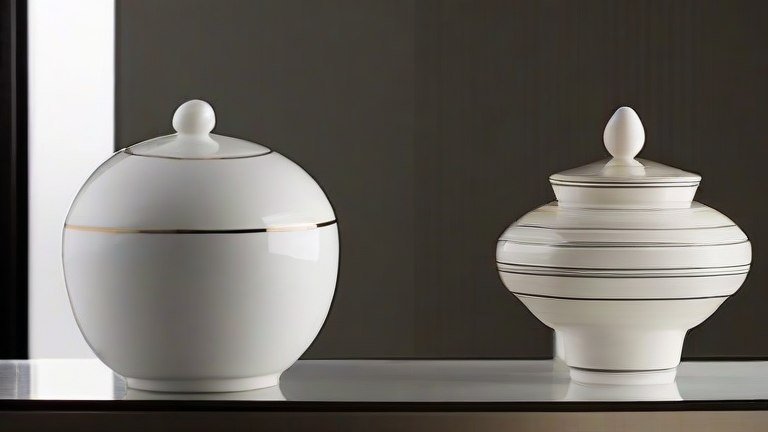
TL;DR: Choose porcelain by testing its translucency, weight, and ring—hold it to light, tap it, and feel the rim. Prioritize functional artistry over decorative dust-catchers, matching your daily rituals (tea, dining, or travel) to the clay’s durability and glaze.
The Art of the Table: Porcelain as a Lifestyle Compass
Porcelain is not just tableware; it is a quiet philosophy. Born in China over a thousand years ago, its journey along the Silk Road shaped global trade, royal feasts, and even the Dutch East India Company’s fortunes. When you buy a piece today, you are purchasing a fragment of that cultural exchange. For the modern lifestyle enthusiast, the right porcelain elevates a morning espresso into a ritual, a dinner party into a curated gallery, and a travel memory into a tactile keepsake.
If you want to dig deeper, check out our guide on The Ultimate Porcelain Buying Guide: Elevate Your Home.
Translucency, Resonance, and the Fingerprint Test
Forget brand names for a moment. Hold a cup up to a window. True hard-paste porcelain (kaolin + petuntse, fired at 1,400°C) glows with a warm, amber-like translucency. Soft-paste or bone china may be whiter but less luminous. Next, flick the rim with your fingernail—a clear, bell-like ring that lingers for two seconds indicates high density and quality. Finally, run your finger along the unglazed foot ring. It should feel glassy, never chalky. Chalky means low-fired earthenware masquerading as porcelain.
Match Your Rituals, Not Just Your Shelf
Your lifestyle dictates the form. If you are a tea devotee, look for thin-walled gaiwans or Japanese hakuji (white porcelain) that doesn’t steal flavor. For daily dining, choose stoneware-strength porcelain with a matte glaze—resistant to crazing and microwave-safe. If you travel often, invest in a collapsible travel tea set or a single, stackable yunomi cup that fits in a backpack. Avoid hand-painted gold rims if you use a dishwasher; the metal will dull. Instead, opt for underglaze blue or celadon—timeless, food-safe, and forgiving.
Buying for Longevity: The “Chipped Rim” Test
Inspect edges under a bright light. A tiny, hairline chip on the rim is a structural weakness—it will propagate. Run your thumb over the glaze; it should be perfectly smooth, with no pinholes (those tiny black specks indicate kiln impurities). For vintage pieces, ask about restoration. Kintsugi (gold-repaired cracks) is not a flaw but a story—embrace it if you value wabi-sabi aesthetics. For new pieces, demand a manufacturer’s warranty against thermal shock. The best brands (like Herend, Wedgwood, or Japanese Arita-yaki) offer replacements for decades.
From Souvenir to Statement
When traveling in Lisbon, Lisbon’s Vista Alegre factory seconds are a steal; in Jingdezhen, China, you can buy hand-painted blanks for under $10. Do not be seduced by oversized decorative vases you will never use. Instead, buy a small toothpick holder or a single sake cup—functional, portable, and a daily reminder of a city’s craft. Pair your porcelain with linen napkins and wooden serving boards to create a layered, personal aesthetic that is both modern and ancestral.
Final Note: Care as a Lifestyle Choice
Hand-wash with mild soap, stack with felt separators, and never heat an empty piece. Porcelain rewards patience—it will outlive your kitchen cabinets if treated kindly. The goal is not a full matching set, but a curated collection that tells your story: a breakfast bowl from Kyoto, a espresso cup from a Milanese café, a platter from your grandmother’s attic. That is the pinn
Leave a Reply