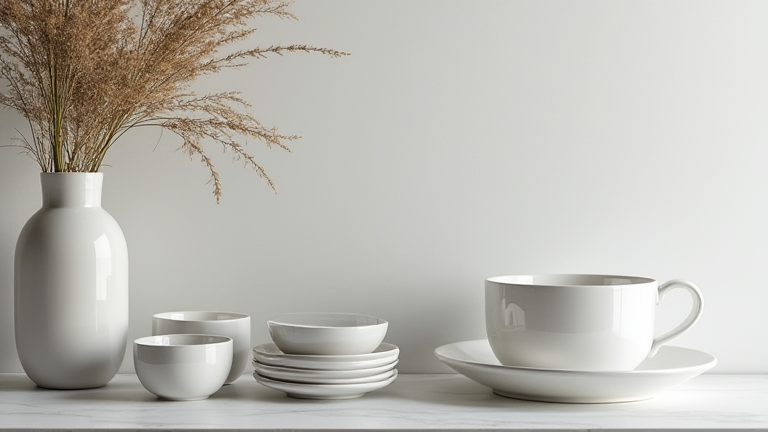
TL;DR: Buying porcelain is about checking translucency, ring, and weight, then verifying the base and glaze for flaws. Focus on purpose—dinnerware, art, or collectibles—and always buy from reputable dealers or ask for a provenance certificate.
How to Buy Porcelain: 10 Expert Tips for Beginners
Porcelain—hard-paste, soft-paste, or bone china—can be a minefield for novices. Follow these ten steps to avoid fakes and overpaying.
If you want to dig deeper, check out our guide on Ultimate Porcelain Buying Guide: 10 Tips for Business Buyers.
1. Know your three main types. Hard-paste (true porcelain, fired at ~1400°C) is dense and translucent. Soft-paste (18th-century European) is creamier and more fragile. Bone china (at least 25% bone ash) is whitest and most chip-resistant. Decide which suits your use: daily dining = bone china; display = hard-paste.
2. Test translucency. Hold a piece up to a strong light. Genuine porcelain lets light pass through fingers when placed behind it—a soft, warm glow. Thick or opaque pieces are likely stoneware or earthenware, not porcelain.
3. Do the “ring” test. Gently tap the rim with a fingernail or a metal spoon. Fine porcelain produces a clear, bell-like ring that lingers for 1–2 seconds. A dull thud indicates cracks, low-fired clay, or over-glazing.
4. Check the base and foot rim. Turn the piece over. The unglazed foot rim (if present) should feel smooth, not rough or sandy. On modern porcelain, look for a clean, recessed base. Any uneven glaze pooling or bubbles = poor firing.
5. Inspect the glaze for crazing. Use a magnifying glass. Fine, hairline cracks in the glaze (crazing) are common on old pieces but weaken the body. For functional ware, avoid crazing—it harbors bacteria. For collectibles, minor crazing is acceptable if the price reflects it.
6. Verify the mark. Maker’s marks are under the glaze, often blue or red. Use a porcelain mark reference book or online database (e.g., Kovels) to date the mark. Beware of “backstamps” that are decals—these are modern reproductions. Real marks are hand-painted or printed into the glaze.
7. Assess weight and balance. Pick up the piece. Good porcelain feels dense yet surprisingly light for its size. A heavy, clunky feel suggests a thick body, which is fine for mugs but not for fine tea cups. Also, test that the piece sits perfectly flat—no wobbling.
8. Ask about “seconds” or “refired” pieces. Some dealers sell factory seconds (minor flaws) at 30–50% off. Look for tiny black specks, pinprick holes, or slight warping. If buying for daily use, these are smart bargains. For investment, always buy firsts.
9. Request a provenance or certificate. For expensive or antique pieces, ask for a written history, appraiser’s letter, or COA. If the seller hesitates, walk away. Reputable auction houses (Christie’s, Sotheby’s) provide condition reports—read them carefully.
10. Compare prices across 3 sources. Check online (eBay, Etsy, Replacements, Ltd.) for similar items. Note that vintage Japanese or English porcelain (e.g., Noritake, Royal Doulton) often has predictable price ranges. If a deal seems too good, it’s likely a modern counterfeit.
FAQ
Q: Is it safe to buy porcelain online without seeing it in person?
A: Yes, if you ask for videos of the translucency test and ring test, and insist on a
Leave a Reply