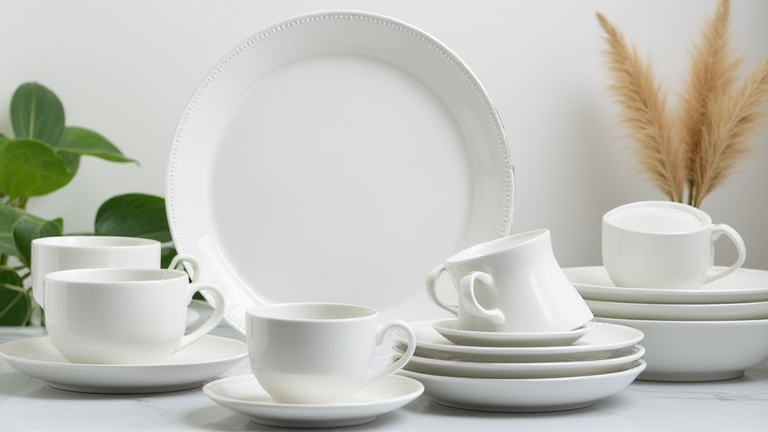
Porcelain Buying Guide: How to Choose the Perfect Set
TL;DR: To choose the perfect porcelain set, prioritize durability and aesthetic compatibility by selecting high-quality bone or hard-paste porcelain that matches your daily usage needs. Ensure the pieces are lead-free and dishwasher-safe while verifying that the design complements your existing tableware collection.
Buying a new set of porcelain is an investment in both your daily dining experience and the aesthetic value of your home. With so many options available, it can be overwhelming to determine which set will last for years while fitting your lifestyle. This guide provides a step-by-step approach to help you navigate the market and make an informed decision.
If you want to dig deeper, check out our guide on Porcelain Buying Guide: 10 Tips for Choosing the Perfect Tab.
Step 1: Understand the Types of Porcelain
Not all porcelain is created equal. The first step is to distinguish between the three main types: soft-paste, hard-paste, and bone porcelain. Soft-paste porcelain is the most affordable but is less durable and more prone to chipping. Hard-paste porcelain is denser and more durable, making it a solid mid-range choice. Bone porcelain, however, is the premium option. It contains bone ash, which makes it stronger, lighter, and more translucent. If you are looking for a set that will last a lifetime, bone porcelain is the superior choice. Look for pieces that are thin enough to let light pass through when held up to a bright source; this is a hallmark of high-quality bone china.
Step 2: Assess Your Lifestyle and Usage
Your daily habits should dictate the features you prioritize. If you use your dining set every day, durability is paramount. Look for sets labeled as “dishwasher safe” and “microwave safe.” While many porcelains can withstand heat, frequent dishwasher cycles can degrade lower-quality glazes over time. High-fired porcelains are generally more resilient to thermal shock and abrasion. If you entertain frequently, consider a set with a larger variety of pieces, such as soup bowls and serving platters. Conversely, if you mostly cook at home and use your formal set only for special occasions, you might prioritize intricate designs and fine detailing over extreme durability.
Step 3: Check Safety and Quality Standards
Safety is non-negotiable when purchasing tableware. Ensure that the porcelain is lead-free and cadmium-free. Inexpensive imports may use glazes that contain these harmful heavy metals, which can leach into food, especially acidic foods like tomato sauce or citrus. Reputable brands will clearly state that their products are compliant with FDA or EU safety standards. Additionally, inspect the pieces for any imperfections. Run your finger over the glaze to check for rough spots or pinholes. The edges should be smooth and even. Any roughness can harbor bacteria or cause the glaze to chip faster.
Step 4: Match the Aesthetic to Your Home
Porcelain is a permanent addition to your home, so it should harmonize with your existing decor. Consider the color scheme of your kitchen and dining room. Neutral tones like white, cream, or light gray are versatile and timeless. They pair well with any food color and table setting. If you prefer a bold statement, consider patterns like floral, geometric, or modern abstract designs. However, be mindful that trendy patterns may go out of style quickly. It is often safer to choose a classic pattern or a solid color that you will enjoy looking at for decades. Also, consider the shape of the plates. Round plates are traditional and functional, while square or oval shapes can add a modern touch but may be less practical for certain foods.
Step 5: Verify the Set Composition
Before finalizing your purchase, verify exactly what is included in the set. A standard set might include dinner plates, salad plates, pasta plates, and bowls for one person. Ensure the quantity matches the number of people you typically host. Some sets sell “service for four,” which usually includes multiple types of plates for each person. Read the product description carefully to avoid surprise gaps in your table setting. It is also wise to check if the manufacturer sells individual pieces or replacement
Leave a Reply