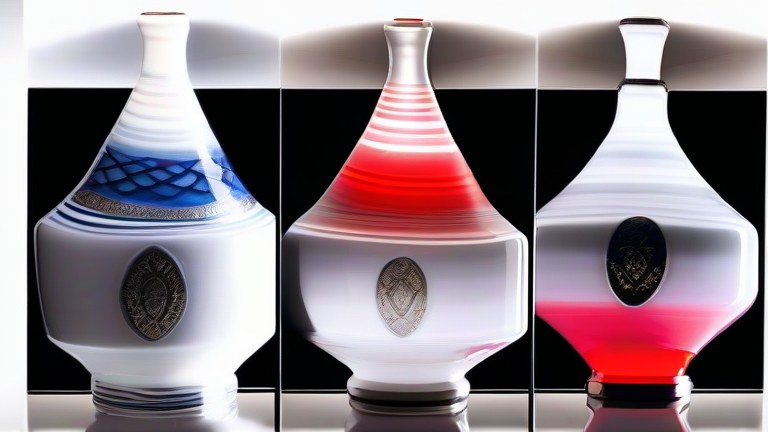
TL;DR: Choose porcelain based on your daily ritual, whether it is the slow savoring of coffee or the quick grab-and-go of a busy morning. High-fired, lead-free pieces with a smooth glaze ensure longevity and safety, aligning with a mindful, sustainable lifestyle.
The Art of Mindful Consumption
In an era dominated by disposable culture, the act of drinking from a beautiful piece of porcelain is a small but powerful declaration of intention. It is not merely about holding a beverage; it is about creating a sanctuary in your kitchen. The right cup transforms a mundane routine into a meditative practice, grounding you in the present moment. When selecting your next set, look beyond aesthetics to consider how the piece fits into the rhythm of your life. A thick-walled mug offers warmth retention for long, cozy evenings, while a delicate teacup encourages slower, more deliberate sips. This alignment between object and habit is the first step toward finding your perfect lifestyle match.
Material Integrity and Health
Your health is paramount, so scrutinize the material composition. Opt for high-fired porcelain, which is denser and less porous than stoneware or earthenware. This density means it absorbs less liquid, reducing the risk of bacterial growth and making it easier to clean. Furthermore, ensure the glaze is lead-free and cadmium-free. Many reputable manufacturers now certify their products as food-safe, but always verify this claim. A high-quality glaze should feel smooth to the touch, with no rough spots or pinholes. These imperfections can trap food particles and make the piece difficult to sanitize. By prioritizing safety, you protect your well-being while enjoying the tactile pleasure of fine craftsmanship.
Design Aesthetics and Cultural Resonance
Porcelain is a cultural artifact, carrying history and artistry in its form. Consider the cultural angle of your purchase. Traditional Chinese porcelain, for instance, often features intricate blue-and-white patterns that evoke a sense of history and tranquility. In contrast, modern Scandinavian designs favor minimalism, with clean lines and neutral tones that promote a clutter-free, calming environment. Your choice of pattern and shape should reflect your personal aesthetic and the vibe of your home. Do you prefer the bold, geometric shapes that spark conversation, or the soft, organic curves that soothe the eye? The right design will make you want to reach for that cup again and again, reinforcing a positive emotional connection with your daily rituals.
Practicality and Maintenance
Beauty is useless if it is impractical. Assess the durability of the piece. Porcelain is fragile, so consider how it will be used. If you have children or a high-traffic household, a slightly thicker rim may be more resilient. Check if the pieces are dishwasher and microwave safe. While hand-washing may extend the life of the glaze, the convenience of machine washing is a significant factor for many modern lifestyles. Additionally, consider the storage space required. A large set of decorative plates may look stunning but can be cumbersome to store. Measure your cabinet space before buying to ensure the pieces will fit without crowding your other essentials. Practicality ensures that your beautiful objects remain in active use rather than gathering dust on a high shelf.
Sustainability and Ethical Sourcing
As conscious consumers, we must consider the environmental impact of our purchases. Look for brands that use sustainable manufacturing practices, such as recycling water and energy in the firing process. Some companies source raw materials from responsibly managed mines, reducing the ecological footprint. Supporting artisans who use traditional, low-impact methods can also be a way to contribute to cultural preservation. Buying locally produced porcelain reduces carbon emissions associated with shipping. By choosing ethically sourced pieces, you align your consumption with your values, creating a lifestyle that is not only aesthetically pleasing but also morally sound. This holistic approach to buying ensures that your porcelain is not just a product, but a part of a larger, positive narrative.
FAQ
Q: Is all porcelain the same quality?
A: No, quality varies based on firing temperature and clay purity. High-fired porcelain is denser, more durable, and less porous than low-fired options.
If you want to dig deeper, check out our guide on Notion Beginner Tutorial: Create Your First Database.
Leave a Reply