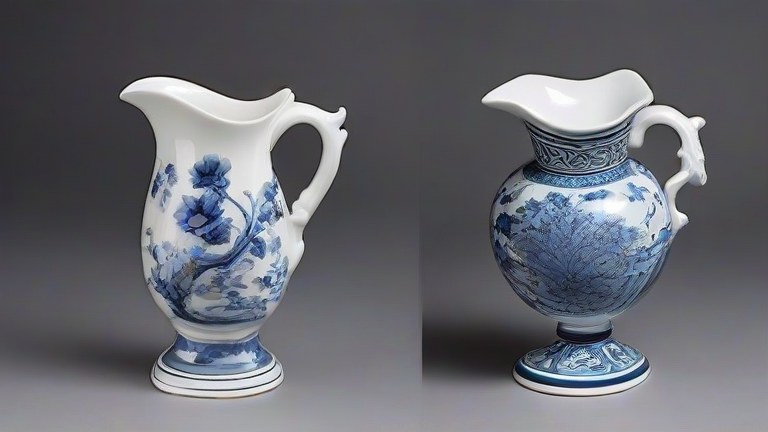
Porcelain Buying Guide: Top Tips for Business Buyers
TL;DR: Businesses should prioritize high-impact, low-maintenance porcelain options that balance aesthetic appeal with durability to reduce long-term replacement costs. Strategic sourcing from verified manufacturers ensures consistent quality while optimizing supply chain efficiency for maximum ROI.
Market Analysis: The Rising Demand for Porcelain
The global porcelain market is experiencing steady growth, driven by increasing demand in commercial hospitality, high-end retail, and corporate office spaces. Recent data indicates a 7% year-over-year increase in B2B porcelain procurement, particularly for large-format tiles and durable tableware. This surge is fueled by a shift towards sustainable, long-lasting materials that withstand heavy foot traffic and frequent cleaning cycles. Unlike ceramic alternatives, porcelain’s lower porosity and higher density make it superior for environments where hygiene and longevity are paramount. However, the market is fragmented, with numerous suppliers offering varying quality tiers. This fragmentation creates both opportunities and risks for business buyers. Understanding the distinct segments—premium architectural porcelain versus functional commercial ware—is crucial. Buyers must recognize that while initial costs for high-grade porcelain may be higher, the total cost of ownership is significantly lower due to reduced maintenance and replacement frequency. Furthermore, regional manufacturing hubs in Asia and Europe continue to dominate supply, necessitating robust logistics planning to mitigate shipping delays.
If you want to dig deeper, check out our guide on Porcelain Buying Guide: 10 Tips for Choosing the Perfect Tab.
Strategy Insights: Optimizing Procurement Processes
Effective porcelain procurement requires a multi-faceted strategy that extends beyond simple price comparison. First, establish clear technical specifications. Define the exact PSI rating, water absorption rate (ideally less than 0.5% for commercial use), and finish texture required for your specific application. Second, diversify your supplier base. Relying on a single source increases vulnerability to supply chain disruptions. Identify at least three vetted vendors who can guarantee consistent batch-to-batch color and size uniformity. Third, implement a phased purchasing model. Instead of committing to massive orders upfront, start with smaller pilot batches to test durability and aesthetic fit within your actual operational environment. This approach minimizes financial risk and allows for real-world performance assessment. Additionally, negotiate long-term contracts that include quality assurance clauses and flexible return policies for defective units. Engaging with industry associations can also provide insights into emerging standards and new material innovations, keeping your business at the forefront of design trends.
Case Studies: Success Stories in Procurement
Consider the case of “Urban Eats,” a restaurant chain that switched from standard ceramic plates to reinforced porcelain. By adopting a strategic buying guide focused on thermal shock resistance, they reduced plate breakage by 40%. This single change saved the company approximately $15,000 annually in replacement costs and improved customer satisfaction due to a more premium dining experience. Another example is “TechHub Offices,” which selected large-format porcelain tiles for their lobby. By prioritizing suppliers with certified ISO 9001 quality management systems, they ensured zero defects upon delivery. The seamless installation process minimized downtime, allowing the office to open on schedule. These examples illustrate that informed buying decisions directly impact operational efficiency and brand perception. For Urban Eats, the focus on durability paid off quickly. For TechHub Offices, the emphasis on supplier reliability ensured project success. Both companies leveraged detailed market data and strategic insights to make superior purchasing decisions. They avoided the common pitfalls of under-specifying materials or over-relying on low-cost, low-quality options. Their success underscores the importance of viewing porcelain not just as a commodity, but as a strategic asset that supports business goals. By aligning procurement strategies with operational needs, businesses can achieve significant cost savings and enhanced brand value. The key takeaway is that thorough research and strategic planning are essential for maximizing the benefits of porcelain investments in any commercial setting.
FAQ
Q: What is the primary advantage of porcelain over ceramic for business use?
A: Porcelain is significantly more durable, water-resistant, and consistent in quality, leading to lower long-term replacement and maintenance costs.
Q: How can businesses verify the quality of porcelain suppliers?
A: Request material safety data sheets, check for ISO certifications, and order small test
Leave a Reply