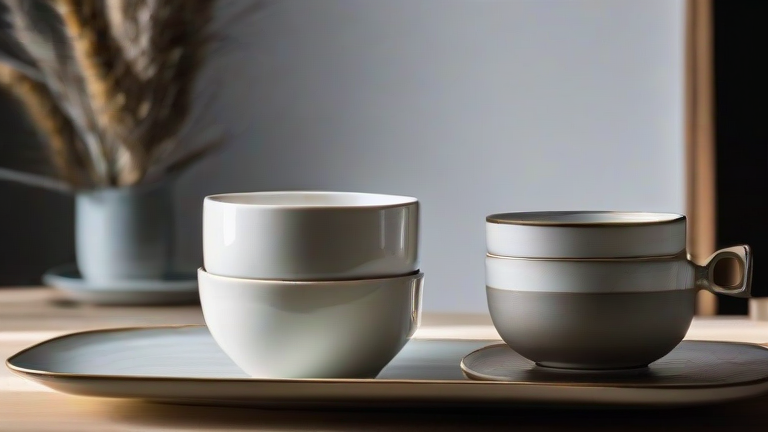
TL;DR: To choose quality porcelain tableware, look for high-density, chip-resistant bodies with a clear, bell-like ring when tapped, and check for a smooth, unglazed foot rim. Prioritize pieces labeled “hard-paste porcelain” or “bone china” with a minimum of 30% bone ash for durability and translucency.
Porcelain Buying Guide: How to Choose Quality Tableware
Porcelain is the gold standard for dining—it’s durable, non-porous, and resists staining better than stoneware or earthenware. But not all porcelain is created equal. The market is flooded with “porcelain-style” ceramic that cracks, chips, or crazes after a few dishwasher cycles. This guide breaks down the physical traits, manufacturing standards, and brand comparisons so you can invest in tableware that lasts decades, not months.
If you want to dig deeper, check out our guide on Ultimate Porcelain Buying Guide: 10 Tips for Business Buyers.
Feature Highlights: What Separates Premium from Budget
1. Density and Weight: Quality porcelain feels heavier than it looks. Hold a plate by its rim—if it flexes or feels hollow, it’s likely low-fired porcelain or a ceramic blend. Premium hard-paste porcelain (fired at 1,300–1,400°C) has a vitrified, glass-like structure with less than 0.5% water absorption. Test this by checking the unglazed foot rim: it should be smooth, white, and slightly rough, not chalky or gray.
2. Translucency: Hold a piece up to a bright light. High-quality porcelain is slightly translucent—you’ll see a warm glow through the rim of a cup or the center of a plate. If it’s completely opaque, it’s likely stoneware. If it’s too translucent (like a paper-thin eggshell), it’s bone china, which is more fragile and not ideal for daily heavy use.
3. Edge and Glaze Finish: Run your finger along the rim. Quality porcelain has a perfectly smooth, rolled edge with no sharp spots or micro-cracks. The glaze should be glossy but not sticky, and free of pinholes or “crazing” (tiny spider-web lines). Crazing means the glaze doesn’t match the clay body’s thermal expansion—a recipe for bacteria trapping.
Comparisons: Hard-Paste vs. Bone China vs. Stoneware
Hard-paste porcelain (e.g., German or Japanese brands like Villeroy & Boch or Narumi) is the most durable—it resists chips, is microwave-safe, and handles thermal shock. Bone china (e.g., Royal Doulton or Wedgwood) is lighter and more translucent, but has lower impact resistance; it’s best for formal dinnerware, not everyday stacking. Stoneware (e.g., Le Creuset) is heavier, opaque, and cheaper, but its porous body requires a thicker glaze—if that glaze gets scratched, the piece becomes unhygienic. For most households, hard-paste porcelain is the safest, most versatile choice.
Call-to-Action: Upgrade Your Table, Don’t Replace It
Stop buying cheap “ceramic” sets that dull or chip within a year. Start with a 12-piece hard-paste porcelain starter set from a reputable brand—look for a 5-year chip warranty as a quality marker. Check physical stores to feel the weight and ring (tap the rim: a clear *ping* means high density; a dull *thud* means low quality). Then, order a single dinner plate from two brands you like, run it through 50 dishwasher cycles, and compare. Your table should be a legacy, not a landfill.
FAQ
Q: Can I put porcelain tableware in the microwave?
A: Yes, if it’s hard-paste porcelain with no metallic decoration (e.g., gold or platinum rims). Always check the base for a “mic
Leave a Reply