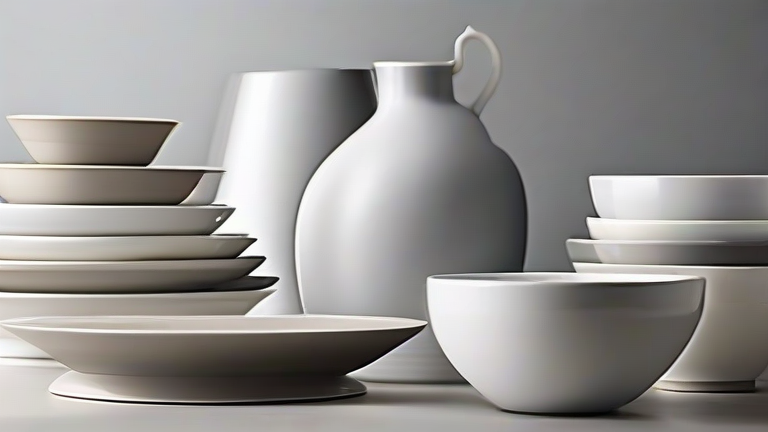
Porcelain Buying Guide: Complete Tutorial for Smart Shoppers
TL;DR: To buy high-quality porcelain, inspect items for uniform thickness, crisp edges, and a flawless white or glaze finish under bright light. Prioritize reputable brands with clear care instructions to ensure durability and value for your investment.
Understanding Porcelain Types
Before spending a dime, it is crucial to distinguish between the main types of porcelain available on the market. Fine porcelain, often referred to as china, is translucent and lightweight, making it ideal for formal dining sets and decorative vases. Soft paste porcelain is slightly thicker and more opaque, often used for mid-range tableware. Hard paste porcelain is the most durable and heat-resistant, perfect for everyday use. Understanding these distinctions helps you match the product to your specific needs, whether you are looking for elegance or resilience. Always check the product description for these terms, as they indicate the firing temperature and material composition, which directly impact longevity and aesthetic appeal.
If you want to dig deeper, check out our guide on Porcelain Buying Guide: How to Choose the Best Quality.
Step-by-Step Inspection Process
When shopping online or in-store, follow this systematic inspection routine to identify defects. First, hold the item up to a strong light source. High-quality porcelain should be slightly translucent at the thinnest points, such as the rim of a plate or the base of a cup. If you see opaque spots, it may indicate uneven firing or impurities in the clay. Second, run your finger gently over the surface. The glaze should feel smooth and glass-like, with no rough patches, bubbles, or pinholes. Any imperfections in the glaze can harbor bacteria and are difficult to clean. Third, check the edges. Crisp, clean edges signify precise manufacturing. Jagged or chipped edges suggest poor quality control and a higher risk of future breakage. For sets, ensure all pieces match in color and size, as inconsistencies can ruin the aesthetic harmony of your collection.
Evaluating Durability and Care
Durability is a key factor for smart shoppers. Look for items that are labeled as microwave, dishwasher, and oven safe if you plan to use them for food preparation. Not all porcelain can withstand high temperatures or acidic foods. Check the manufacturer’s website for care instructions. Reputable brands provide detailed guidelines on how to maintain the piece. Avoid unbranded or generic products that lack clear care information, as these often use lower-grade materials that may crack or chip easily. Additionally, consider the weight of the item. Heavier porcelain is generally thicker and more robust, while ultra-light pieces may be more delicate. Balance the weight with your intended use; if you have children or a busy household, opt for heavier, more durable pieces.
Price and Value Considerations
Price is not always an indicator of quality, but extremely low prices often signal compromise in materials. Research average prices for the type of porcelain you need. Compare brands with similar reputations and read customer reviews focusing on long-term durability. Look for sales or bundles that offer better value without sacrificing quality. Remember that high-quality porcelain is an investment that can last for generations if cared for properly. Do not be swayed by flashy packaging; focus on the intrinsic quality of the material and craftsmanship.
FAQ
Q: How can I tell if porcelain is genuine?
A: Hold it up to a bright light; genuine fine porcelain will appear translucent at the thinnest edges, whereas fake or low-quality versions remain opaque.
Q: Is porcelain safe for microwave use?
A: Most modern porcelain is microwave safe, but you should always verify the manufacturer’s label, as some decorative pieces contain metallic accents that can spark in the microwave.
Q: What is the best way to clean porcelain?
A> Wash with mild dish soap and a soft sponge, avoiding abrasive scrubbers that can scratch the glaze, and dry immediately to prevent water spots.
Leave a Reply