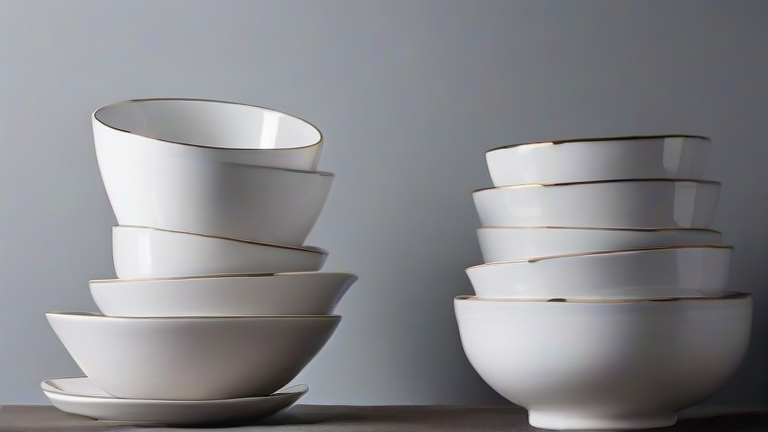
Porcelain Buying Guide: How to Choose the Best Quality
TL;DR: To choose the best quality porcelain, prioritize pieces with high-fired clay, a translucent body, and a flawless, smooth glaze finish. Always inspect for pinholes, chips, and color consistency to ensure durability and aesthetic perfection.
Essential Features to Inspect
When evaluating porcelain, the first feature to scrutinize is the body itself. High-quality porcelain, often referred to as “china,” is made from kaolin clay fired at extremely high temperatures, typically above 2300°F. This process results in a material that is not only incredibly strong but also translucent. Hold the piece up to a light source; if you can see your hand through the rim, it is likely true porcelain. In contrast, lower-quality ceramic or stoneware will appear opaque and heavy. The translucency indicates a denser, more durable structure that is less prone to cracking under thermal shock.
Next, examine the glaze. Premium porcelain features a smooth, glass-like surface that feels seamless to the touch. Run your finger across the surface; you should feel no roughness, grit, or unevenness. Look for “pinholes,” which are tiny air bubbles trapped in the glaze, or “crazing,” where the glaze has cracked into a web-like pattern. While some crazing is an aesthetic choice in certain styles, it is generally a sign of poor quality in standard tableware as it can harbor bacteria. The glaze should also be consistent in color and thickness, without any drips or runs that suggest improper firing techniques.
Comparing Brands and Types
When comparing options, distinguish between fine porcelain and bone china. Bone china contains a percentage of bone ash, making it lighter and more durable than standard porcelain, though it comes at a higher price point. For everyday use, high-fired stoneware porcelain offers a great balance of durability and cost. Compare the weight of similar items; genuine fine porcelain should feel surprisingly light for its size. Additionally, check the base of the item. High-end manufacturers often stamp their logos and country of origin clearly. A reputable brand will guarantee against chipping and cracking, providing peace of mind for daily use. Avoid generic, unbranded items from unknown sellers, as quality control is rarely consistent.
Make the Right Choice
Investing in high-quality porcelain is an investment in your dining experience and longevity. By focusing on translucency, glaze integrity, and brand reputation, you can avoid costly mistakes and ensure your tableware lasts for decades. Do not compromise on quality for the sake of a lower price tag, as cheap porcelain often deteriorates quickly, losing its luster and structural integrity. Visit reputable retailers or official brand websites to view detailed product specifications before purchasing. You deserve dinnerware that enhances the presentation of your meals and withstands the rigors of daily life.
FAQ
Q: Is all white porcelain the same quality?
A: No, quality varies significantly based on the firing temperature, clay composition, and glaze application. Higher-fired porcelain is denser and more durable.
Q: Can I use porcelain in the dishwasher and microwave?
A: Most high-quality porcelain is safe for both, but always check the manufacturer’s label. Avoid pieces with gold or silver accents, as these can tarnish in the dishwasher.
Q: How do I clean porcelain to maintain its shine?
A: Wash with warm, soapy water and a soft sponge. Avoid abrasive cleaners or scrubbers that can scratch the glaze. Dry immediately to prevent water spots.
Leave a Reply