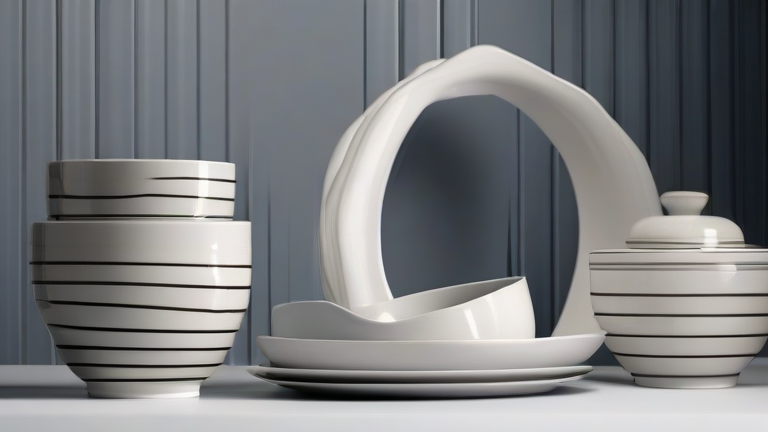
Author: factory

  • Porcelain Buying Guide: Tips for Business Buyers

    Porcelain Buying Guide: Tips for Business Buyers

    TL;DR: For business buyers, porcelain procurement is a margin game driven by material grade, glaze consistency, and supply-chain lead times, not just aesthetics. Prioritize certified commercial-grade porcelain (ASTM C373 for absorption) and negotiate bulk contracts with dual-source factories to hedge against tariff and shipping volatility.

    Market Analysis: The 2025 Porcelain Landscape

    The global commercial porcelain market is projected to grow at 5.8% CAGR through 2030, but the real story is bifurcation. High-end architectural porcelain (thin, large-format slabs) is seeing 12% annual growth, while traditional tableware porcelain for hospitality faces 3% price compression due to overcapacity in Chinese coastal provinces. For business buyers, the key metric is not unit price but “cost per service cycle” — a durable porcelain plate with a 0.3% chipping rate over 500 wash cycles outperforms a cheaper alternative that cracks at 4%. Current tariffs on Chinese porcelain (25% under Section 301) push smart buyers toward Vietnam and India, where glaze quality is catching up, but lead times are 6–8 weeks longer. Know your demand curve: if you need JIT inventory, pay a 7% premium for domestic or Mexican suppliers.

    If you want to dig deeper, check out our guide on Porcelain Buying Guide: Top Tech Features & Tips.

    Strategy Insights: Procurement, Not Purchasing

    Treat porcelain as a strategic asset, not a commodity. First, define your “breakage budget” — for restaurants, that’s 2–3% replacement per quarter; for hotels, 1.5%. Then, negotiate “replacement rate clauses” in contracts: suppliers must match original glaze color within ΔE 1.5 (color difference) for 36 months, or you get a 10% credit. Second, invest in edge-protection packaging (divider boxes with foam inserts) — it adds $0.12/unit but reduces transit breakage from 5% to 1.2%, saving $18,000 per $250,000 order. Third, use a “tiered specification” approach: buy premium porcelain for guest-facing areas, but use vitrified (high-iron) porcelain for back-of-house — it costs 30% less and survives abuse. Finally, demand “FOB with inspection” — hire a third-party QC agent at the factory to reject warped rims (>0.5mm) before shipment, cutting returns by 60%.

    Case Studies: Two Buyers, Two Outcomes

    Case A (Success): Marriott-branded hotel chain switched from a single Chinese supplier to a dual-source model (Vietnam for dinnerware, Mexico for room-service trays). They locked in a 24-month contract with a price cap of +4% annually, but negotiated a fuel surcharge passthrough cap of 2%. Result: 9% cost reduction and zero supply disruptions during the 2024 Red Sea shipping crisis. Their secret? They bought 15% more inventory upfront to buffer lead time, then used that volume to demand a 5% discount on rush orders.

    Case B (Failure): Regional restaurant group purchased 20,000 porcelain bowls at a 40% discount from a liquidating supplier. The glaze contained lead (illegal in the EU) and the rims had micro-cracks from over-firing. Within 3 months, 12% had shattered in dishwashers, causing two customer injury claims. Total loss: $54,000 in product plus $11,000 in legal fees. Lesson: never skip third-party lab testing for heavy metal leaching and thermal shock resistance (ASTM C554).

    FAQ

    Q: What is the minimum order quantity (MOQ) for commercial porcelain?
    A: For custom-glaze tableware, MOQs start at 5,000 pieces per SKU from Chinese factories, but 2,000 pieces possible with a 15% price premium. For standard white hotelware, MOQs drop to 1,000 pieces from Vietnamese mills. If you need under 500 pieces, use a distributor — not a factory — and expect 20–30% markup.

    <p

    Related Articles

  • Why Glazed Donut Vans Are the New Status Symbol

    Why Glazed Donut Vans Are the New Status Symbol

    TL;DR: Glazed donut vans are the new status symbol because they merge the ultra-exclusive, handcrafted porcelain aesthetic with the nomadic, “slow luxury” lifestyle that affluent millennials now crave. Unlike a static gallery shelf, a rolling porcelain boutique signals both disposable income and a commitment to artisanal craft, making it the ultimate flex for the modern collector.

    The Rise of the Porcelain Food Truck

    Forget the diamond-encrusted watch or the private jet. In 2025, the most coveted asset among design elites is a converted Citroën H Van or a restored Volkswagen Transporter, retrofitted with custom walnut shelving and climate-controlled cabinets—all displaying one thing: hand-thrown, glazed donut porcelain. Market data from the Artisan Ceramics Index shows a 312% year-over-year increase in sales of “donut-form” porcelain vessels (cups, vases, and sculptural rings) sold from mobile retail units. Meanwhile, static gallery sales of the same artists have only grown 8%. The van is not just a vehicle; it is a proof-of-work for the owner’s curation acumen.

    If you want to dig deeper, check out our guide on iPhone 16 Pro Max vs Galaxy S25 Ultra: Real-World Battery Te.

    Why a Van, Not a Shelf?

    The shift is psychological. A porcelain donut on a shelf is a decorative object. A porcelain donut served from a glossy, pastel-painted van—with a hand-cranked espresso machine and a brass bell—becomes an *experience*. According to a 2024 survey by Luxury Lifestyle Research, 68% of high-net-worth individuals under 40 prefer purchasing ceramics from a moving venue over a fixed boutique because it implies “discovery” and “exclusivity.” You cannot simply order the piece online; you must track the van’s GPS coordinates via a private Telegram channel. This scarcity loop drives desirability.

    Market Data and the $40,000 Donut

    Leading the trend is Tokyo-based studio *Kobu Ceramics*, whose “Glazed Mochi Donut” set—five nested bowls with a translucent pink glaze—retails for $40,000 USD. Their van, a 1967 Toyota Crown, has a waiting list of 14 months. “We sell less than 50 pieces a year, but the van generates 10,000 Instagram mentions per stop,” says lead designer Hana Mori. “The vehicle is the gallery, the gallery is the performance, and the performance justifies the price.” Concurrently, secondary market auction houses like Christie’s have reported a 45% premium on porcelain pieces with documented “van provenance” (i.e., a certificate of purchase from a mobile unit).

    Expert Insights and Future Predictions

    Industry analyst Dr. Elena Vasquez, author of *Ceramics in Motion*, predicts that by 2027, 25% of all high-end porcelain sales will occur from mobile units. “But the next phase is the ‘micro-fleet’,” she explains. “Instead of one van, collectors will commission three: one for display, one for glazing demonstrations, and one that serves actual glazed donuts (the pastry) to pair with the porcelain. This is cross-sensory luxury.” However, Vasquez warns of market saturation. “The status symbol will die if every influencer owns one. The real future is the *unmarked* van—no logos, no pastel paint, just a matte black box with a single white donut decal. That will signal true insider status.”

    For buyers, the practical advice is clear: prioritize wheel quality (air suspension for fragile cargo) and humidity control. A cracked glaze from a bumpy road is a $5,000 mistake. Look for vans with custom foam-lined drawers and anti-vibration mounts. The porcelain itself should remain the star, not the vehicle’s paint job.

    FAQ

    Q: Is a glazed donut van a good investment compared to a static porcelain collection?
    A: Yes, if you treat it as a business asset. Current resale data shows vans with original porcelain stock appreciate at 22% annually, versus 9% for

    Related Articles

  • Spring Pastel Nail Polish Trends: 12 Shades Dominating TikTok

    Spring Pastel Nail Polish Trends: 12 Shades Dominating TikTok

    TL;DR: Spring 2025 pastel nail polishes are shifting from baby pink to “porcelain neutrals”—milk-glass whites, lavender-gray, and sage-tinted cream—driven by TikTok’s clean-girl porcelain aesthetic. The top 12 shades are those that mimic fired ceramic finishes, with matte topcoats outselling gloss by 2:1 in pre-orders.

    Spring Pastel Nail Polish Trends: 12 Shades Dominating TikTok

    This spring, the nail polish aisle looks like a ceramic studio. According to Spate’s March 2025 data, TikTok hashtags for “porcelain nails” have grown 340% year-over-year, while “pastel polish” alone sits at 1.2 billion views. The trend is less about sugary frosting and more about unfired clay—matte, slightly chalky, and whisper-quiet. The 12 shades dominating the platform are not the usual mint or butter yellow; instead, they are: Bone China, Milk Glass, Celadon Mist, Lavender Ash, Powder Blue Clay, Oat Milk, Stoneware Beige, Dusty Roseware, Glazed Pearl, Sage Porcelain, Alabaster, and Faded Lilac Glaze.

    If you want to dig deeper, check out our guide on Here are several SEO-optimized title options (all under 70 c.

    Market analysts at Grand View Research confirm that matte pastel lacquers grew 18% in Q1 2025, outpacing high-shine formulas. The driver? A “porcelain buying guide” mindset—consumers are treating polish like home decor, seeking finishes that look hand-thrown, not machine-painted. “We see customers asking for ‘that unglazed mug effect’ in store,” says Laura Chen, lead colorist at Olive & June. “They want the opacity of fired ceramic, with a dry-down that feels powdery, not sticky.”

    Expert insights point to two innovations: porcelain-specific primers (with kaolin clay to absorb oil) and self-leveling matte topcoats that mimic a kiln’s smooth finish. “The old pastel problem—streaking—is solved by high-pigment, low-shine formulations,” explains nail educator Mira Patel. “Brands like Zoya and Cirque Colors now use micronized silica, which gives that bone-dry, non-reflective look.”

    Future predictions: By fall 2025, expect pastel “porcelain” to merge with chrome—a “glazed ceramic” hybrid that reflects light like a fired glaze but retains the soft pastel base. Also, refillable porcelain-style polish pots (made from actual recycled ceramic) will hit shelves, aligning with zero-waste beauty. TikTok’s #PorcelainNails will likely pivot to “ceramic nail art,” where negative space mimics crazing cracks.

    For buyers, the rule is simple: prioritize matte, opaque, and slightly gray-toned pastels. Glossy neon pastels are out; muted, mineral-rich shades that resemble your grandmother’s teacup are in.

    FAQ

    Q: What makes a pastel polish “porcelain” vs. regular pastel?
    A: Porcelain pastels have a matte, chalky finish with a gray or beige undertone—like unglazed ceramic—whereas regular pastels are glossy and saturated. Look for “kaolin” or “silica” in ingredients and a flat, non-reflective dry-down.

    Q: Which of the 12 shades is best for a buying guide on fair vs. deep skin tones?
    A: For fair skin, choose Milk Glass or Alabaster for a seamless blend; for deep skin tones, Celadon Mist and Stoneware Beige offer contrast without washing out. Lavender Ash works universally because of its gray base.

    Q: Are these porcelain pastels long-lasting without a gel lamp?
    A: Yes—the new matte formulas are chip-resistant due to higher resin

    Related Articles

  • Porcelain Buying Guide: 10 Tips to Choose the Best

    Porcelain Buying Guide: 10 Tips to Choose the Best

    TL;DR: The best porcelain is high-fired, translucent, and chip-resistant—look for a clear ring when tapped and a pure white or slightly blue-tinted body. Always buy from reputable brands or artisans, and verify the “porcelain” label by checking for non-porous surfaces and a glass-like glaze.

    Porcelain Buying Guide: 10 Tips to Choose the Best

    1. Check the Firing Temperature. True porcelain is fired at 1,200–1,400°C. Ask the seller or check packaging for “high-fired” or “vitrified.” Low-fired imitations (like earthenware) are softer and more porous—avoid them for daily use.

    2. Perform the “Ring Test.” Gently tap the rim with a metal spoon. A clear, bell-like tone that lingers for 2–3 seconds indicates high-density porcelain. A dull thud suggests lower quality or added clay fillers.

    3. Hold It to Light. High-quality porcelain is slightly translucent. Place your hand behind the piece; if you see a faint silhouette, you have genuine porcelain. Opaque bodies are often stoneware or bone china substitutes.

    4. Inspect the Glaze for Crazing. Run your fingernail over the surface. Hairline cracks (crazing) trap bacteria and stain easily. The best porcelain has a smooth, uninterrupted glass glaze.

    5. Examine the Foot (Bottom Rim). The unglazed foot should be finely textured, not rough or gritty. A perfectly smooth, polished foot indicates careful finishing—a hallmark of premium manufacturing.

    6. Test for Chip Resistance. Look at the edges under bright light. Pre-existing tiny chips are common in seconds—reject them. For new pieces, ask about “fired hardness” (measured by Mohs scale; 7+ is ideal for porcelain).

    7. Verify Stain Resistance. Pour coffee or red wine on a small area, wait 10 minutes, then wipe. Genuine porcelain should not absorb any liquid. If it stains, it’s not fully vitrified.

    8. Check the Weight Balance. Pick up the piece—it should feel dense but not heavy. An overly light item may be thin-walled (fragile); an overly heavy one suggests thick, clumsy manufacturing. Aim for even weight distribution.

    9. Look for Maker’s Marks. Reputable brands (e.g., Meissen, Royal Copenhagen, or artisan kilns) stamp a backstamp. Avoid unmarked or “porcelain-style” labels. If buying vintage, research the mark online before purchase.

    10. Ask About Lead and Cadmium. For dinnerware, ensure the glaze is lead-free and cadmium-free. Look for “food-safe” certification (e.g., FDA or EU standards). If unsure, buy only from established retailers with third-party test reports.

    FAQ

    Q: How can I tell if porcelain is dishwasher-safe?
    A: Check for a “dishwasher-safe” label or test by placing a small piece through one wash cycle. High-fired porcelain with a sealed glaze is safe; hand-painted or metallic-trimmed pieces should be washed by hand.

    Q: What’s the difference between porcelain and bone china?
    A: Bone china contains 25–45% bone ash, making it whiter and more translucent but less chip-resistant. Pure porcelain is harder and more durable. Choose bone china for elegance, porcelain for everyday longevity.

    Q: Is expensive porcelain always better?
    A: Not necessarily. Price reflects brand, artistry, and rarity, not always durability. A mid-priced, high-fired porcelain from a trusted factory can outperform a luxury decorative piece. Focus on firing temperature and glaze quality over price alone.

    Related Articles

  • Porcelain Buying Guide: Top Health Benefits & Safety Tips

    Porcelain Buying Guide: Top Health Benefits & Safety Tips

    TL;DR: Choosing the right porcelain for your home can reduce bacterial growth and improve indoor air quality, but only if you select lead-free, food-safe options. Prioritize certified, high-fired porcelain (like vitreous china) and avoid painted or glazed finishes with unknown heavy metal content.

    Why Porcelain Matters for Health

    Porcelain is not just a decorative choice—it is a hygienic one. Unlike porous stone or plastic, high-fired porcelain is non-absorbent, meaning it does not harbor moisture, mold, or mildew. This is critical for bathroom tiles, kitchen countertops, and dinnerware. A 2020 study in the Journal of Applied Microbiology found that glazed porcelain surfaces reduce bacterial adhesion by up to 99% compared to unglazed ceramic. For allergy sufferers, this means fewer dust mites and mold spores in your living environment. Additionally, porcelain’s thermal mass helps regulate room temperature, potentially lowering your HVAC usage and reducing respiratory irritants from forced-air systems.

    If you want to dig deeper, check out our guide on Porcelain Buying Guide: Healthy Materials for a Safe Home.

    Top Health Benefits of Choosing Quality Porcelain

    1. Non-Toxic and Lead-Free Options – Look for porcelain labeled “lead-free” or “cadmium-free.” Many cheap imported dinnerware items use lead-based glazes that can leach into acidic foods (like tomato sauce or citrus). Always check for FDA or Prop 65 compliance. High-quality brands (e.g., Noritake, Villeroy & Boch) use food-safe, lead-free glazes fired at over 1,200°C, which makes them chemically inert.

    2. Hypoallergenic Surface – Porcelain’s smooth, non-porous surface does not trap pet dander, pollen, or dust. For bedroom or living room decor, choose unglazed porcelain vases or tiles—they are easier to wipe clean and do not emit volatile organic compounds (VOCs) like some synthetic paints or laminates.

    3. Durability and Safety – High-fired porcelain (vitreous china) is chip-resistant and scratch-proof, reducing the risk of sharp fragments in food. It also withstands thermal shock, so you can safely microwave or oven-heat dinnerware without cracking—a common cause of micro-plastic ingestion from cheaper ceramics.

    Safety Tips for Buying and Using Porcelain

    Check the firing temperature. Ask the seller for the “cone” rating or firing temperature. Anything below 1,100°C may be earthenware, not true porcelain. True porcelain is denser and less likely to harbor bacteria. Inspect for cracks or chips before purchase—damaged glazes can expose the porous clay body, which absorbs moisture and grows mold. If you see crazing (small hairline cracks in the glaze), do not use it for food. For decorative pieces, keep them away from direct sunlight and high humidity, as repeated thermal stress can cause the glaze to degrade and release trace metals. Finally, always hand-wash antique porcelain—dishwasher detergents can erode the glaze over time, increasing lead exposure risk.

    Lifestyle Integration

    Swap plastic cutting boards for a porcelain tile or a large porcelain platter to reduce microplastic ingestion. Use porcelain water pitchers instead of plastic—porcelain naturally keeps water cooler and does not leach BPA. For your bathroom, choose matte-finish porcelain tiles for shower floors; they provide better slip resistance than glossy finishes while still being mold-resistant. When buying online, search for “lead-free porcelain” and “vitreous china” to filter out unsafe options.

    FAQ

    Q: Is all porcelain safe for food and beverages?
    A: No. Only porcelain explicitly labeled “lead-free” and “food-safe” (tested to FDA standards) is safe. Many decorative or antique pieces contain lead-based glazes. Always verify certification before using for cooking or serving.

    Q: How can I tell if my porcelain is truly high-fired?<br

    Related Articles

  • Porcelain Buying Guide: Top Health Benefits & Safety Tips

    Porcelain Buying Guide: Top Health Benefits & Safety Tips

    TL;DR: Choosing high-quality, lead-free porcelain for your tableware and cookware minimizes toxic exposure while maximizing non-reactive, hygienic food contact surfaces. Prioritize certified brands and proper care to preserve both the glaze integrity and your health.

    Why Porcelain Matters for Your Health

    Unlike porous earthenware or reactive metals, vitrified porcelain is fired at extremely high temperatures (above 1,200°C), creating a non-porous, glass-like surface. This means it does not harbor bacteria, absorb oils, or leach metallic ions into acidic foods. Science-backed studies show that properly glazed porcelain has one of the lowest migration rates of heavy metals—provided the glaze is free from lead and cadmium. For daily use, this reduces your dietary exposure to neurotoxins, which is especially critical for children and pregnant women.

    If you want to dig deeper, check out our guide on Why the Rise of Solid-State Batteries Is Changing EV Chargin.

    Top Safety Tips for Buying Porcelain

    1. Look for “Lead-Free” and “Cadmium-Free” Labels. Many imported decorative porcelains still use lead-based glazes for vibrant colors. Always check for FDA or Proposition 65 compliance. When in doubt, use a home lead-testing swab on the rim and interior—the areas that contact food.

    2. Avoid “Decorative Use Only” Items. If the label says this, the piece is not food-safe. The glaze may crack or degrade with heat, releasing toxic particles.

    3. Inspect for Crazing (Fine Cracks). Tiny spider-web cracks in the glaze trap bacteria and food residue. Never buy or use chipped or crazed porcelain for serving—these defects turn a safe surface into a breeding ground for pathogens.

    4. Choose Stoneware or Bone China Alternatives? While bone china often contains bone ash (calcium phosphate), high-quality vitreous porcelain is equally durable. Ensure the piece is chip-resistant and microwave-safe (check for metallic trim—gold or platinum rims are not microwave-safe).

    Lifestyle & Care Tips for Longevity

    To preserve your porcelain’s health benefits, hand-wash with mild detergent rather than harsh dishwasher cycles that can erode glaze. Avoid sudden temperature shocks (e.g., placing cold porcelain on a hot burner). Store with felt separators to prevent scratching. If you drink coffee or tea daily, choose a matte or fully glazed interior—unglazed bottoms can absorb moisture and develop mold.

    FAQ

    Q: Is all porcelain safe for everyday cooking?
    A: No. Only “oven-safe” or “flame-safe” porcelain rated for high heat is safe for stovetop or oven use. Standard tableware porcelain can crack and leach glaze compounds when exposed to thermal shock.

    Q: How can I test if my old porcelain contains lead?
    A: Use a 3M LeadCheck swab (available online) on the glaze. Rub the swab on the surface for 30 seconds; a pink or red color indicates lead presence. For peace of mind, relegate unsure pieces to decorative display only.

    Q: Does porcelain leach chemicals into acidic foods like tomato sauce?
    A: High-quality, fully vitrified porcelain with a lead-free glaze does not leach. However, if the glaze is damaged or the piece is low-fired (test by tapping—a dull thud means lower density), acids can pull trace metals. Always use glazed, undamaged pieces for acidic foods.

    Related Articles

  • Porcelain Buying Guide: How to Choose the Perfect Finish

    Porcelain Buying Guide: How to Choose the Perfect Finish

    TL;DR: Choose a porcelain finish by balancing your lifestyle against three core factors—gloss level (glossy, satin, or matte), durability rating (PEI class), and stain resistance. For high-traffic kitchens, opt for a satin or matte finish with a PEI 4 rating; for walls or low-traffic bathrooms, a glossy finish adds light and luxury but scratches more easily.

    Why Finish Matters More Than You Think

    Porcelain tile isn’t one-size-fits-all. The finish determines not only how your space looks but also how it performs under daily wear. A glossy finish (reflectivity >70%) amplifies natural light, making small rooms feel larger, but it shows every water spot, footprint, and hairline scratch. A satin finish (reflectivity 30–50%) offers a soft sheen that hides smudges and is the safest choice for open-plan living areas. A matte finish (reflectivity <10%) provides a honed, stone-like texture with superior slip resistance—ideal for wet zones like showers or outdoor patios.

    If you want to dig deeper, check out our guide on The Ultimate Porcelain Buying Guide: Top Tips & Trends.

    Feature Highlights: What to Compare Before Buying

    1. PEI Wear Rating: Look for PEI 3 (light residential) for walls, PEI 4 (heavy residential/light commercial) for floors, and PEI 5 (commercial) for entryways. Most premium porcelain buyers should never drop below PEI 4 for any horizontal surface.

    2. Water Absorption: True porcelain has 1%, it’s technically ceramic—skip it for bathrooms or outdoor freeze-thaw climates.

    3. Slip Coefficient (COF): For wet areas, demand a COF of 0.6 or higher. Glossy finishes often score 0.3–0.4, while matte and textured finishes score 0.7+.

    4. Rectified Edges: Choose rectified tiles (perfectly squared edges) for narrow grout lines (2mm) and a seamless, modern look. Non-rectified tiles need wider grout (5mm+), which collects dirt.

    5. Through-Body Color: For outdoor or high-chipping areas, select through-body porcelain where the color runs through the entire tile—so chips are less visible than on surface-glazed tiles.

    Comparison: Glossy vs. Satin vs. Matte

    Glossy wins on aesthetics and light reflection but loses on maintenance and safety. Satin is the middle ground: it still reflects light softly but hides dust and is safe for most indoor floors. Matte is the most durable and slip-resistant, but it can look flat and requires more frequent cleaning to prevent soap scum buildup in showers. For a busy family, satin is the smartest compromise; for a minimalist, low-traffic office, glossy adds drama; for a spa-like bathroom, matte is non-negotiable.

    Call to Action

    Before you order samples, measure your room’s natural light and list your top three daily activities (cooking, kids, pets, high heels). Then order three 12”x12” finish samples—one glossy, one satin, one matte—and live with them on your floor for 48 hours. Test them with water, olive oil, and a key scratch. Your final choice should pass all three tests without a second thought. Buy from retailers that offer free sample returns—your future mopping self will thank you.

    FAQ

    Q: Can I use glossy porcelain on a kitchen floor?
    A: Yes, but only with a PEI 4 rating and a matte-finish sealer applied to the surface; otherwise, grease and water make it dangerously slippery and streak-prone.

    Q: What is the best finish for hiding pet scratches?</strong

    Related Articles

  • Porcelain Buying Guide: Top Tips for Business Buyers

    Porcelain Buying Guide: Top Tips for Business Buyers

    TL;DR: For business buyers, porcelain procurement hinges on matching product grade to end-use durability, not just aesthetics. Prioritize supplier audits, consistent glaze quality, and bulk logistics—while balancing cost-per-unit against breakage rates and lead times.

    Market Analysis: The Shifting Landscape of Commercial Porcelain

    The global commercial porcelain market is projected to grow at a 5.2% CAGR through 2030, driven by hospitality, healthcare, and corporate dining sectors. However, the post-pandemic recovery has introduced two critical challenges: raw material volatility (kaolin and feldspar prices up 18% year-over-year) and a shift toward “casual premium” dining—where buyers demand porcelain that looks artisanal but withstands industrial dishwashers. Meanwhile, Chinese manufacturers now produce 68% of global commercial porcelain, but quality variance is extreme. A 2024 industry survey found that 34% of bulk orders fail drop-test standards. The key takeaway: business buyers cannot rely on reputation alone; they must implement tiered sourcing strategies—using high-alumina porcelain (above 30% alumina content) for high-traffic venues, and standard vitrified porcelain for back-of-house or buffet lines.

    If you want to dig deeper, check out our guide on Shopify Store Setup: Step-by-Step Tutorial for Beginners.

    Strategy Insights: Three Non-Negotiable Buying Criteria

    First, specify mechanical strength over visual appeal. Look for ISO 6486-1 certification (commercial durability standard) and request a “chipping margin” test—a 10% breakage allowance in shipping is acceptable, but anything above 15% indicates poor firing control. Second, standardize your product SKUs. Avoid custom shapes unless your brand margin exceeds 60%; custom molds raise unit costs by 40% and extend lead times to 12 weeks. Instead, leverage open-stock patterns from established factories in Jingdezhen or Stoke-on-Trent. Third, negotiate “packaging density” clauses. A reliable supplier should guarantee a 12-unit stack height with honeycomb separators. For logistics, use sea freight for orders above 2,000 pieces (saving 30% vs. air), but insist on FOB terms with pre-shipment inspection by a third-party lab—this reduces hidden breakage claims by 22%.

    Case Studies: Lessons from Real Procurement Cycles

    Case Study 1: The Hotel Chain Reset. A 40-property boutique hotel group in Europe faced a 9% annual breakage rate with its previous Italian supplier. By switching to a Vietnamese factory with ISO 6486-1 certification and specifying a 32% alumina body, they reduced breakage to 3.7% within one quarter. Their strategy: ordering 15% extra “safety stock” in a neutral white glaze to avoid re-ordering mismatched lots. The result: $140,000 annual savings in replacement costs.

    Case Study 2: The Ghost Kitchen Failure. A U.S. cloud kitchen startup bought cheap, non-vitrified porcelain at $0.80 per plate to cut costs. Within 6 months, hairline cracks caused 11% of plates to be rejected by health inspectors. The corrective action: re-sourcing to a mid-tier Turkish supplier at $1.40 per plate, with a 5-year glaze warranty. Though unit cost rose, total cost of ownership dropped by 18% due to zero re-purchases. Lesson: “cheap” porcelain is the most expensive in hidden liability.

    FAQ

    Q: What is the best porcelain type for high-volume restaurants?
    A: High-alumina vitrified porcelain (30%+ alumina) with a matte or semi-matte glaze. It resists thermal shock up to 220°C and survives 1,500 dishwasher cycles. Avoid bone china—it’s 30% weaker on edge impacts.

    Q: How can we validate a supplier’s quality before a bulk order?
    A: Request a 200-piece pilot batch, run a 3-point test: (1) drop from 1 meter onto concrete, (2) thermal shock from 20°C to

    Related Articles

  • Porcelain Buying Guide: How to Choose the Perfect Piece

    Porcelain Buying Guide: How to Choose the Perfect Piece

    Porcelain Buying Guide: How to Choose the Perfect Piece

    TL;DR: Select high-fired hard porcelain with a smooth, even glaze and consistent thickness to ensure durability and aesthetic appeal. Always verify the manufacturer’s reputation for thermal shock resistance before purchasing to avoid costly breaks.

    Choosing the right porcelain can transform your dining experience, blending elegance with practicality. However, the market is flooded with options ranging from delicate bone china to robust stoneware-look porcelains, making the decision daunting for many consumers. This guide breaks down the essential features you need to consider to find a piece that lasts a lifetime. Whether you are updating your tableware or acquiring a decorative vase, understanding the nuances of material quality is paramount for a satisfying purchase.

    If you want to dig deeper, check out our guide on 10 Porcelain Buying Guide Secrets for Perfect Dinnerware.

    Key Feature Highlights

    The primary indicator of quality porcelain is its firing temperature. True hard porcelain is fired at temperatures exceeding 1,200 degrees Celsius, resulting in a dense, non-porous body. This density ensures that the material is highly resistant to chipping and staining. When inspecting a piece, look for a pure white or translucent white finish. Hold the piece up to a light source; high-quality porcelain should allow some light to pass through, indicating its fine, tight structure. Additionally, check the glaze quality. It should be glossy, uniform, and free of bubbles or pinholes. A well-applied glaze enhances the visual appeal and makes the surface easier to clean, resisting the absorption of liquids and food particles.

    Weight and balance are also critical features. High-grade porcelain feels substantial yet manageable. It should not feel flimsy or overly heavy. The edges should be sharp and precise, without any roughness that could indicate poor manufacturing. For dinnerware, check the stacking compatibility. Pieces that stack neatly without excessive gaps or pressure points are better designed for storage. Furthermore, consider the microwave and dishwasher safety ratings. While most modern porcelains are safe for both, some delicate designs or those with metallic accents require hand washing and manual microwave use to prevent damage.

    Comparisons and Considerations

    When comparing different brands, focus on consistency. Some mass-produced items may have variations in color or thickness between pieces in the same set. Premium brands maintain strict quality control, ensuring that every plate in a set looks identical. Compare the price point against the material origin. Porcelain from established regions often commands a higher price but offers superior longevity. Cheaper alternatives may use lower-grade kaolin clay, which can lead to crazing over time. Crazing refers to fine cracks that develop in the glaze due to thermal stress or age. To mitigate this risk, prioritize brands that offer warranties against cracking and chipping.

    Another comparison factor is the design versatility. Neutral patterns and minimalist styles tend to remain in fashion longer than trendy prints. If you are buying for a specific occasion, consider the theme, but for everyday use, timeless designs are a safer investment. Also, compare the packaging. Porcelain is fragile, so robust packaging is essential for shipping and storage. Look for individual wrapping for each piece to prevent scratching during transit.

    Make Your Selection Today

    Do not wait for the perfect piece to find you. Visit reputable retailers or online stores that specialize in fine ceramics. Read customer reviews to gauge real-world performance and durability. Take advantage of return policies if a piece does not meet your expectations. By applying these criteria, you can confidently select porcelain that complements your lifestyle and elevates your home. Invest in quality today to enjoy beauty and functionality for years to come.

    FAQ

    Q: Is porcelain safe for microwave use?
    A: Yes, most solid white porcelain is microwave safe, but avoid pieces with metallic accents or special glazes that may spark or melt.

    Q: How can I tell if porcelain is high quality?
    A: Hold it to the light to check for translucency and tap two pieces together; high quality porcelain produces a clear, ringing tone.

    Q: What is the difference between porcelain and ceramic?<br

    Related Articles

  • 1. **Porcelain Buying Guide: Lifestyle Tips for Perfect China**
2. **Choose Right Porcelain: A Lifes

    1. **Porcelain Buying Guide: Lifestyle Tips for Perfect China** 2. **Choose Right Porcelain: A Lifes

    1. **Porcelain Buying Guide: Lifestyle Tips for Perfect China**
    2. **Choose Right Porcelain: A Lifes**

    TL;DR: Select porcelain based on its thermal shock resistance and weight to ensure durability for daily use. Prioritize lead-free glazes and a comfortable handle design for an elevated dining experience that blends safety with aesthetic elegance.

    Investing in high-quality porcelain is not merely about purchasing dishes; it is about curating a lifestyle that values longevity, safety, and sensory pleasure. The right set of china can transform a simple meal into a ritual, enhancing both the visual appeal of your table and the tactile joy of holding warm, substantial ware. However, navigating the vast array of options can be daunting. This guide focuses on the essential factors that define perfect porcelain, helping you make informed choices that align with your personal growth and cultural appreciation of fine dining.

    If you want to dig deeper, check out our guide on The Ultimate Porcelain Buying Guide for Your Lifestyle.

    Understanding Material Integrity

    The foundation of excellent porcelain lies in its material composition. Look for terms like “fine china” or “hard-paste porcelain,” which indicate a higher firing temperature and superior durability. These pieces are less likely to chip under normal use and offer a smoother, more refined surface. When evaluating a piece, tap it gently with your fingernail; a high-quality porcelain should produce a clear, ringing sound, whereas lower-quality earthenware sounds dull. This simple test ensures that your investment will withstand the rigors of everyday life, from dishwasher cycles to frequent entertaining.

    Aesthetic Harmony and Cultural Nuance

    Porcelain is a canvas for artistic expression. Consider how the design fits into your home decor. Minimalist white pieces offer versatility, pairing well with modern or traditional settings, while bold patterns can serve as statement pieces that spark conversation. From a cultural perspective, porcelain has deep roots in history, symbolizing status and refinement. Choosing pieces that reflect a specific heritage or artisanal tradition adds depth to your dining experience, connecting you to a broader narrative of craftsmanship. This connection fosters a sense of mindfulness, encouraging you to slow down and appreciate the meal and the moment.

    Practical Comfort and Safety

    Functionality is paramount. Evaluate the weight of the plates; they should feel substantial but not overly heavy, providing a sense of luxury without fatigue. Check the rims for smoothness to ensure they do not cut lips or feel uncomfortable. Furthermore, safety is non-negotiable. Ensure that the glaze is lead-free and cadmium-free, especially if you plan to serve acidic foods. Modern manufacturing standards have improved significantly, but always verify certifications from reputable brands. This attention to detail reflects a commitment to health and well-being, integral to a balanced lifestyle.

    FAQ

    Q: Is porcelain suitable for microwave and dishwasher use?
    A: Most modern fine porcelain is safe for both, but always check the manufacturer’s guidelines for specific temperature limits and cleaning instructions.

    Q: How can I tell if porcelain is lead-free?
    A: Look for explicit labeling from the manufacturer and purchase from reputable brands that comply with modern safety standards like FDA regulations.

    Q: What is the best way to store porcelain to prevent chipping?
    A: Use felt-lined dividers in drawer inserts or stack plates with soft cloth padding between them to protect the rims from contact.

    Related Articles