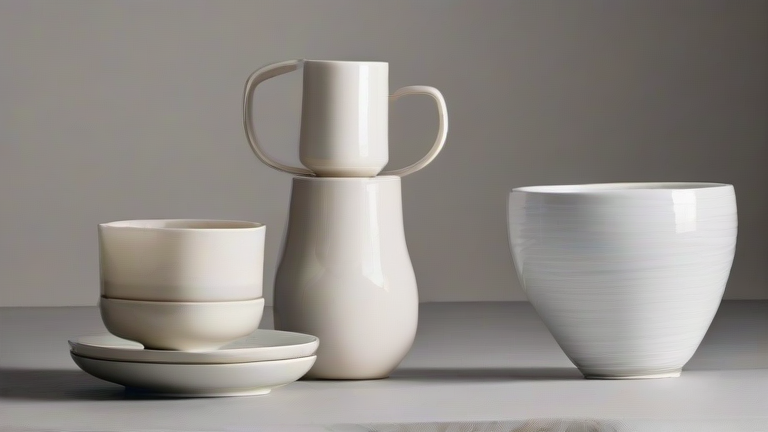
TL;DR: Choose a porcelain finish by balancing your lifestyle against three core factors—gloss level (glossy, satin, or matte), durability rating (PEI class), and stain resistance. For high-traffic kitchens, opt for a satin or matte finish with a PEI 4 rating; for walls or low-traffic bathrooms, a glossy finish adds light and luxury but scratches more easily.
Why Finish Matters More Than You Think
Porcelain tile isn’t one-size-fits-all. The finish determines not only how your space looks but also how it performs under daily wear. A glossy finish (reflectivity >70%) amplifies natural light, making small rooms feel larger, but it shows every water spot, footprint, and hairline scratch. A satin finish (reflectivity 30–50%) offers a soft sheen that hides smudges and is the safest choice for open-plan living areas. A matte finish (reflectivity <10%) provides a honed, stone-like texture with superior slip resistance—ideal for wet zones like showers or outdoor patios.
If you want to dig deeper, check out our guide on The Ultimate Porcelain Buying Guide: Top Tips & Trends.
Feature Highlights: What to Compare Before Buying
1. PEI Wear Rating: Look for PEI 3 (light residential) for walls, PEI 4 (heavy residential/light commercial) for floors, and PEI 5 (commercial) for entryways. Most premium porcelain buyers should never drop below PEI 4 for any horizontal surface.
2. Water Absorption: True porcelain has 1%, it’s technically ceramic—skip it for bathrooms or outdoor freeze-thaw climates.
3. Slip Coefficient (COF): For wet areas, demand a COF of 0.6 or higher. Glossy finishes often score 0.3–0.4, while matte and textured finishes score 0.7+.
4. Rectified Edges: Choose rectified tiles (perfectly squared edges) for narrow grout lines (2mm) and a seamless, modern look. Non-rectified tiles need wider grout (5mm+), which collects dirt.
5. Through-Body Color: For outdoor or high-chipping areas, select through-body porcelain where the color runs through the entire tile—so chips are less visible than on surface-glazed tiles.
Comparison: Glossy vs. Satin vs. Matte
Glossy wins on aesthetics and light reflection but loses on maintenance and safety. Satin is the middle ground: it still reflects light softly but hides dust and is safe for most indoor floors. Matte is the most durable and slip-resistant, but it can look flat and requires more frequent cleaning to prevent soap scum buildup in showers. For a busy family, satin is the smartest compromise; for a minimalist, low-traffic office, glossy adds drama; for a spa-like bathroom, matte is non-negotiable.
Call to Action
Before you order samples, measure your room’s natural light and list your top three daily activities (cooking, kids, pets, high heels). Then order three 12”x12” finish samples—one glossy, one satin, one matte—and live with them on your floor for 48 hours. Test them with water, olive oil, and a key scratch. Your final choice should pass all three tests without a second thought. Buy from retailers that offer free sample returns—your future mopping self will thank you.
FAQ
Q: Can I use glossy porcelain on a kitchen floor?
A: Yes, but only with a PEI 4 rating and a matte-finish sealer applied to the surface; otherwise, grease and water make it dangerously slippery and streak-prone.
Q: What is the best finish for hiding pet scratches?</strong
Leave a Reply