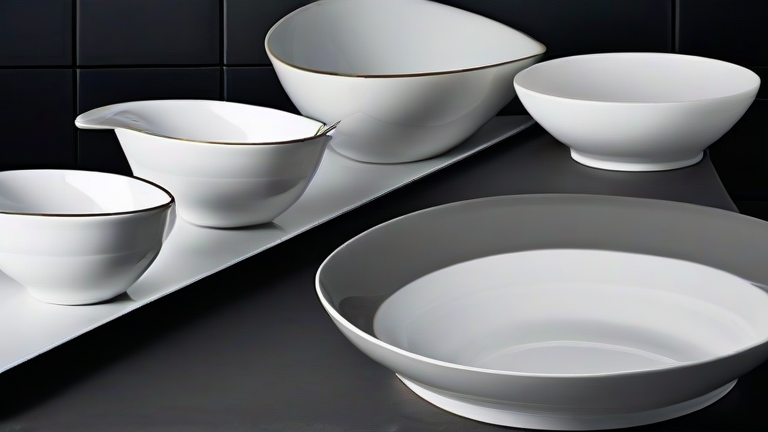
Complete Porcelain Buying Guide: How to Choose the Best
TL;DR: To choose the best porcelain, prioritize high-fired bone china or hard-paste porcelain for durability and translucency. Always inspect for structural integrity, ensuring the material is chip-resistant and microwave-safe for daily use.
Buying quality porcelain is an investment in both aesthetic beauty and long-term functionality. Whether you are upgrading your dining set or seeking delicate teaware, understanding the nuances of ceramic materials will help you avoid common pitfalls. This guide provides a step-by-step approach to selecting the finest porcelain pieces for your home.
If you want to dig deeper, check out our guide on Complete Porcelain Buying Guide: How to Choose & Buy.
Step 1: Identify the Type of Porcelain
Not all porcelain is created equal. The market generally distinguishes between soft-paste, hard-paste, and bone china. Soft-paste porcelain is more porous and prone to chipping, making it less ideal for heavy daily use. Hard-paste porcelain is fired at higher temperatures, resulting in a denser, more durable material. Bone china, which contains a significant percentage of bone ash, is the premium choice. It offers superior strength, a lighter weight, and a distinct milky translucency that catches the light beautifully. For most buyers seeking longevity, bone china is the gold standard.
Step 2: Assess Durability and Safety Features
Before purchasing, verify the manufacturer’s specifications regarding heat resistance. High-quality porcelain should be safe for microwaves, ovens, and dishwashers. Avoid pieces with thick, glossy glazes that may crack under thermal shock. If you plan to use the items for serving hot soups or stews, ensure the material can withstand rapid temperature changes. Look for brands that explicitly state their products are thermal shock resistant. This feature prevents unexpected breakage during busy meal preparations, saving you from costly replacements.
Step 3: Inspect for Structural Integrity
When shopping in person, perform a simple tap test. Gently tap two pieces together. High-quality porcelain produces a clear, ringing tone, while lower-quality or flawed pieces sound dull or muffled. Examine the rims and edges closely under bright light. Any tiny chips or rough spots will expand over time with regular use. Check the base of the item to ensure it is flat and stable. An uneven base can cause dishes to wobble, leading to spills and potential accidents. Consistency in shape and finish indicates precise manufacturing processes.
Step 4: Consider Aesthetics and Maintenance
Choose a color and pattern that complements your existing home decor. Neutral tones like white, cream, or light blue are versatile and allow for easy coordination with different table linens. If you prefer bold patterns, ensure they are printed rather than painted, as printed designs are more resistant to fading and scrubbing. Consider the ease of cleaning. Pieces with intricate relief or deep crevices can trap food particles, making them difficult to clean thoroughly. Smooth, minimalist designs are often easier to maintain and keep looking pristine over the years.
FAQ
Q: Is bone china better than regular porcelain?
A: Yes, bone china is generally stronger, lighter, and more translucent than standard porcelain, making it more durable for daily use.
Q: How can I tell if porcelain is microwave-safe?
A: Check the manufacturer’s label for a microwave-safe symbol or explicit text indicating it is safe for microwave heating.
Q: What should I do if my porcelain chips?
A: Discontinue using the item immediately, as chips can harbor bacteria and may expand, causing the piece to break further.
Leave a Reply