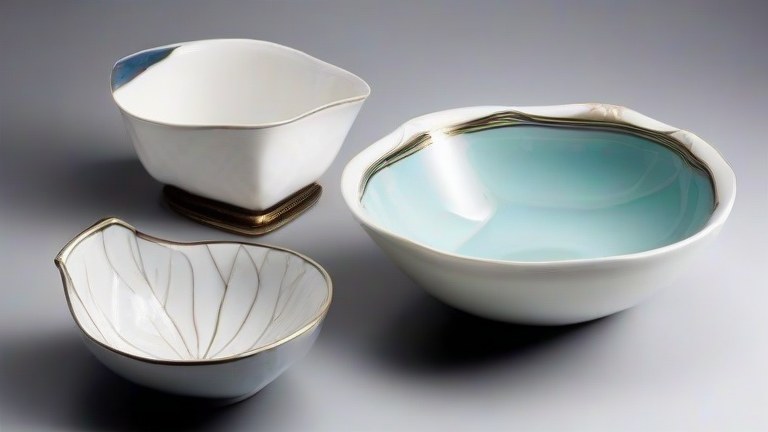
Porcelain Buying Guide: How to Choose the Right Porcelain
TL;DR: To choose the right porcelain, prioritize the specific type (hard-paste or soft-paste) that matches your intended use, such as daily dining or artistic display. Evaluate the glaze quality, thickness, and manufacturer reputation to ensure durability and aesthetic longevity for your needs.
Porcelain is often regarded as the crown jewel of tableware and decorative arts, distinguished by its translucency, strength, and elegance. However, the term “porcelain” encompasses a wide range of products with varying compositions, firing temperatures, and applications. Understanding the nuances between different types is essential for making a purchase that aligns with both functional requirements and aesthetic preferences. This guide breaks down the key factors to consider when selecting high-quality porcelain items, ensuring you invest in pieces that will last for generations.
If you want to dig deeper, check out our guide on Porcelain Buying Guide: Top Tips for Business Buyers.
Understanding Porcelain Types
The primary distinction in porcelain buying guides lies in the classification of the material. Hard-paste porcelain, often associated with European traditions, is fired at extremely high temperatures, resulting in a material that is highly durable, non-porous, and slightly translucent. This type is ideal for fine dining settings where longevity and a refined look are paramount. In contrast, soft-paste porcelain, which includes many modern Japanese and Korean varieties, is fired at lower temperatures and often includes bone ash. Bone china, a specific subset of soft-paste, is renowned for its exceptional lightness and strength, making it a popular choice for households that value both durability and ease of handling. When browsing collections, look for labels specifying the firing method or material composition, as these details significantly impact the piece’s performance and price point.
Feature Highlights and Quality Indicators
When evaluating specific products, several feature highlights should guide your decision. First, examine the glaze. A high-quality porcelain glaze should be smooth, consistent, and free of bubbles or pinholes. It should also be lead-free and cadmium-free, especially if the items are intended for daily food service. Second, consider the thickness and weight. While thicker porcelain may feel more substantial, it is not necessarily stronger. In fact, properly formulated bone china can be thinner yet more resistant to chipping than heavier stoneware. Check for the manufacturer’s warranty or return policy, as reputable brands often stand behind their products against defects. Additionally, look for microwave and dishwasher safety certifications. While most modern porcelains are safe for both, some decorative pieces with metallic accents or thick glazes may require hand washing to preserve their finish.
Comparisons and Value Analysis
Comparing different brands and price points reveals that cost is not always a direct indicator of quality. Entry-level porcelains may offer good durability for occasional use, but they might lack the translucency and acoustic resonance of premium options. Mid-range brands often strike a balance, providing solid construction and attractive designs at a moderate price. High-end artisanal pieces, on the other hand, may feature hand-painted details or unique firing techniques that add artistic value. For buyers seeking value, consider purchasing mixed sets where you can mix and match pieces to build a cohesive collection over time. This approach allows you to test different styles and qualities without committing to a full set of a single brand, providing flexibility and reducing initial financial risk.
Call-to-Action
Ready to elevate your dining experience or collection? Start by identifying your primary use case, whether it be for everyday meals, special occasions, or artistic display. Visit reputable retailers that offer detailed product specifications and customer reviews. Look for brands that provide clear information on material composition and care instructions. By taking the time to research and compare options, you can find the perfect porcelain pieces that blend beauty, functionality, and durability. Make your next purchase a smart one by prioritizing quality and suitability over mere aesthetics.
FAQ
Q: Is bone china stronger than regular porcelain?
A: Yes, bone china is generally stronger and more resistant to chipping than standard hard-paste porcelain due to the addition of bone ash, which enhances its structural integrity while keeping the weight
Leave a Reply