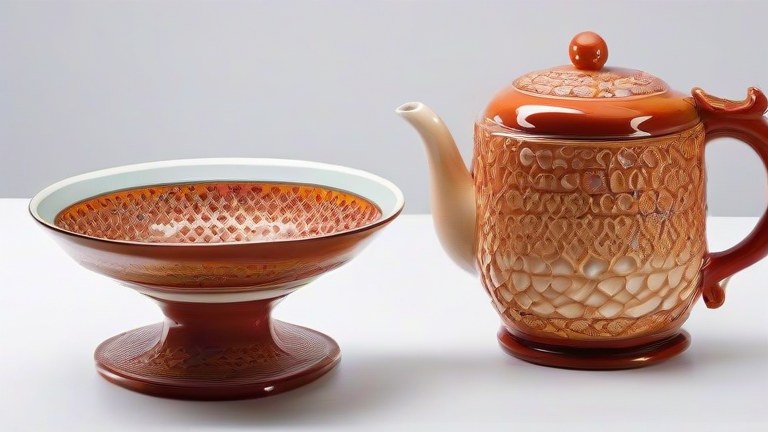
Porcelain Buying Guide: How to Choose the Best Quality
TL;DR: Select high-quality porcelain by checking for a bright white, semi-translucent finish and a crisp, clear ring when tapped. Look for brands that guarantee lead-free glazes and consistent firing temperatures to ensure durability and safety for daily use.
The Importance of Material Integrity
When navigating the vast landscape of kitchenware and decorative items, understanding the intrinsic properties of porcelain is crucial. Unlike standard ceramic, true porcelain is made from kaolin clay and fired at significantly higher temperatures, typically exceeding 1,200 degrees Celsius. This intense heat fuses the particles together, creating a material that is harder, denser, and less porous than earthenware or stoneware. For the discerning buyer, this distinction is not just academic; it directly impacts the longevity and aesthetic appeal of your purchase. A high-quality piece will feel substantial and cool to the touch, signaling a dense, well-fired structure that resists chipping and scratching over time.
If you want to dig deeper, check out our guide on Porcelain Buying Guide: Expert Tips for Choosing Quality Pie.
Key Feature Highlights
Identifying premium porcelain requires a keen eye for specific details. First, examine the translucency. Hold a high-grade plate against a light source; superior porcelain should allow light to pass through, revealing a delicate, glowing white hue. This transparency is a hallmark of the material’s purity and firing quality. Second, assess the glaze. The surface should be glassy, smooth, and free from pinholes or bubbles. A good glaze enhances the visual appeal while providing a non-porous barrier that prevents stain absorption, making the item easier to clean and maintain. Finally, check the edges and rims. They should be sharp and uniform, indicating precise manufacturing and consistent quality control throughout the production process.
Comparing Top Brands
In the current market, several brands stand out for their commitment to traditional craftsmanship and modern innovation. Brands like Villeroy & Boch and Wedgwood are often cited for their exceptional durability and timeless designs. They utilize advanced kiln technology to ensure even heating, which minimizes thermal shock risks during firing. On the other hand, emerging brands often compete on price by using lower-grade clay or faster cooling processes, which can compromise the structural integrity of the final product. While budget options may look appealing initially, they often lack the heft and resonance of premium pieces. When comparing, always look for certifications that verify the absence of lead and cadmium, as these heavy metals are common contaminants in lower-quality glazes, particularly those with vibrant colors.
Make the Right Choice
Investing in high-quality porcelain is an investment in both functionality and elegance. By prioritizing translucency, glaze quality, and brand reputation, you ensure that your purchase will withstand the test of time and daily wear. Do not settle for items that feel light or look opaque; these are clear indicators of inferior material. Take the time to inspect your options thoroughly, whether you are shopping online or in a physical store. Read reviews that specifically mention long-term durability and resistance to chipping. Your future self will thank you for the aesthetic pleasure and practical reliability that comes with owning true, high-grade porcelain. Upgrade your dining experience today by choosing quality over quantity.
FAQ
Q: How can I tell if porcelain is genuine?
A: Genuine porcelain is translucent when held up to the light and produces a clear, ringing sound when tapped lightly. It also feels heavier and smoother than standard ceramic.
Q: Is all porcelain dishwasher safe?
A: Most modern, high-quality porcelain is dishwasher safe, but pieces with gold or silver accents should always be hand-washed to prevent the metallic trim from wearing off or tarnishing.
Q: What is the difference between bone china and porcelain?
A> Bone china contains bone ash, which makes it lighter and more translucent than standard porcelain, while porcelain is generally denser and has a slightly different, more opaque white finish.
Leave a Reply