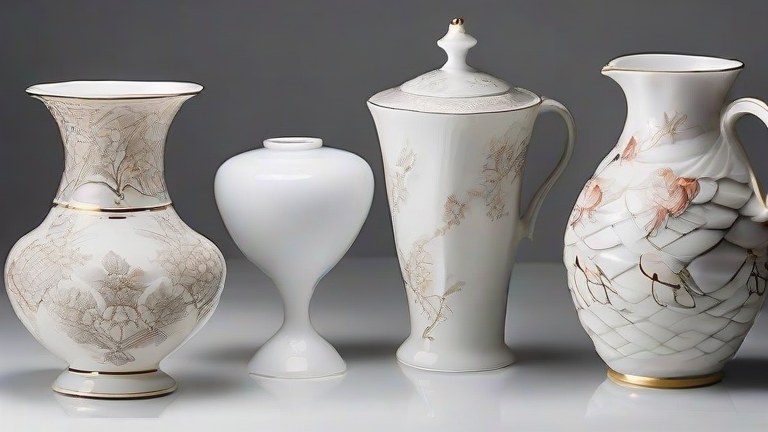
Porcelain Buying Guide: How to Choose the Right Pieces
TL;DR: Select high-quality porcelain by inspecting the base for a thin, translucent rim and a bright, clear ring when held to light. Ensure the glaze is even and unchipped, with a smooth finish that feels cool and hard to the touch for maximum durability.
Porcelain is prized for its elegance, durability, and ability to retain heat, making it a staple in fine dining and decorative art. However, the market is flooded with options ranging from delicate bone china to sturdy stoneware porcelain, which can confuse buyers. This guide provides a structured approach to evaluating pieces, ensuring you invest in items that last a lifetime. By understanding the material’s properties and applying rigorous inspection techniques, you can distinguish between authentic, high-grade porcelain and inferior imitations. The following steps will help you navigate this process with confidence.
If you want to dig deeper, check out our guide on Porcelain Buying Guide: 7 Tips for Quality.
Step 1: Assess the Translucency and Body
The first indicator of true porcelain is its body. High-quality porcelain is fired at extremely high temperatures, resulting in a dense, vitrified material. To test this, hold the piece up to a strong light source. Genuine porcelain should appear slightly translucent, especially at the edges. If the piece remains opaque and dark, it may be stoneware or earthenware, which are less durable and more porous. Additionally, tap the piece gently with a fingernail. Porcelain produces a clear, high-pitched ringing sound, whereas lower-quality ceramics produce a dull thud. This acoustic test is a reliable way to verify the density of the clay body.
Step 2: Examine the Glaze and Finish
The glaze protects the porcelain and adds aesthetic value. Inspect the surface under bright lighting to check for consistency. A good glaze should be smooth, even, and free of bubbles, cracks, or pinholes. Run your fingers gently over the surface; it should feel glassy and cool. Avoid pieces with a matte finish if you are looking for traditional hard-paste porcelain, as matte finishes are often associated with stoneware. Also, check the rim and base for any chips or crazing, which are fine cracks in the glaze that can harbor bacteria and weaken the structure over time. A flawless glaze indicates precise manufacturing control and high-quality raw materials.
Step 3: Check the Weight and Balance
Porcelain is known for being lighter than other ceramics despite its strength. Pick up the item and assess its weight. It should feel substantial but not heavy. Compare it with similar items of different materials to calibrate your sense. The piece should also feel balanced in your hand. If it feels top-heavy or awkward, it may be poorly designed for practical use. For plates, ensure the center of gravity is low to prevent tipping. For cups, the handle should be proportionate to the body, allowing for a comfortable grip without straining the wrist. Proper balance ensures that the piece is not only beautiful but also functional for daily use.
Step 4: Verify Manufacturer and Origin
Reputation matters in the porcelain world. Look for maker’s marks on the base of the piece. Renowned manufacturers such as Meissen, Sèvres, or Wedgwood often have specific stamps that denote quality and authenticity. Research the origin of the porcelain. Chinese and Japanese porcelains have centuries of history and distinct styles, while European porcelains are known for intricate designs. Knowing the origin helps you understand the expected quality and value. Additionally, check for any certification or documentation that accompanies the piece, especially for antiques or designer items. This documentation can significantly increase the resale value and provide peace of mind regarding the item’s provenance.
FAQ
Q: Is porcelain dishwasher safe?
A: Most modern hard-paste porcelain is dishwasher safe, but check the manufacturer’s guidelines, especially for pieces with gold or silver accents, which can tarnish in high heat.
Q: How do I clean porcelain without damaging it?
A: Use warm water
Leave a Reply