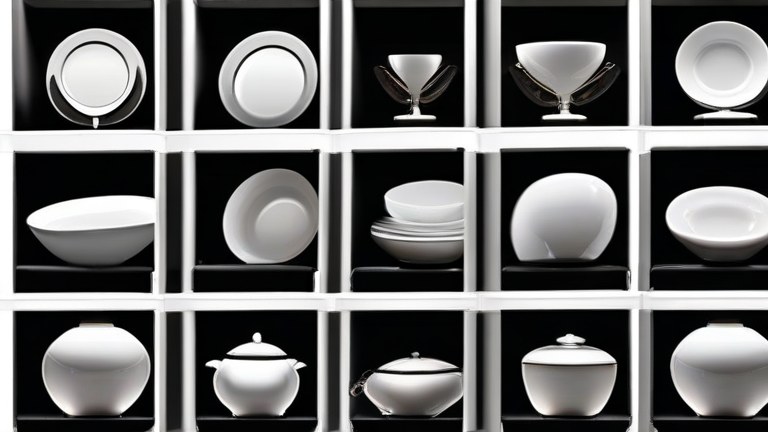
TL;DR: Select high-quality porcelain by examining the translucency of the edges and the resonance when gently tapped. Pair durable, lead-free pieces with neutral tones to create a timeless, elegant foundation for your home decor.
The Art of Selection
Porcelain is not merely a material; it is a testament to craftsmanship and cultural heritage. Originating from Jingdezhen in China, this ceramic has traveled across continents, evolving into a symbol of sophistication and purity. In today’s landscape, where digital noise often overwhelms the senses, returning to tactile, beautiful objects offers a form of personal growth and mindfulness. Choosing the right porcelain pieces allows you to curate a living space that reflects your personal aesthetic while honoring historical artistry. It is about creating moments of pause, whether during a quiet morning coffee or a dinner with friends.
If you want to dig deeper, check out our guide on How to Build a Minimalist Home Office with a Herman Miller A.
When approaching a purchase, consider the story behind the piece. Handcrafted items often carry subtle imperfections that speak to the human hand, adding character and warmth to your home. This narrative aspect is crucial for a culture-rich interior. Before you buy, ensure you understand the specific type of porcelain, such as bone china or hard-paste, as each offers distinct durability and aesthetic qualities. Your home decor should tell a story that feels both personal and universal.
10 Essential Tips for Buyers
First, check the translucency. Hold the piece up to a light source; genuine high-quality porcelain allows light to pass through the rim. Second, listen to the sound. Tap the body gently; a clear, ringing tone indicates density and quality, while a dull thud suggests lower grade materials. Third, inspect for crazing. Fine cracks in the glaze can trap stains and compromise longevity over time. Fourth, verify lead-free status. Ensure the glaze is safe for food contact, especially for daily use items.
Fifth, prioritize neutral colors. White and cream tones serve as versatile canvases that complement any color scheme or seasonal change. Sixth, match the weight. Heavier porcelain often feels more substantial and premium in the hand. Seventh, examine the rim. The edge should be smooth and even, free from chips or irregularities that could chip further with use. Eighth, consider the scale. Mix large platters with small bowls to create visual interest and depth in your table setting.
Ninth, buy from reputable sources. Established artisans or brands often provide better quality control and after-sales support. Tenth, plan for storage. Porcelain is fragile; ensure you have dedicated shelf space or dividers to prevent breakage. By following these guidelines, you invest in pieces that will last for generations, becoming heirlooms rather than disposable goods. This approach aligns with sustainable living principles, reducing waste and promoting a culture of appreciation for well-made objects. Your home becomes a gallery of personal taste and historical respect.
FAQ
Q: How do I clean handmade porcelain safely?
A: Hand wash with mild detergent and a soft cloth, avoiding abrasive sponges or sudden temperature changes.
Q: Is bone china better than regular porcelain?
A: Bone china is generally lighter, more translucent, and durable, making it a premium choice for elegant settings.
Q: Can I microwave porcelain dishes?
A: Yes, if they are labeled microwave-safe and do not contain metallic accents or crackled glazes.
Leave a Reply