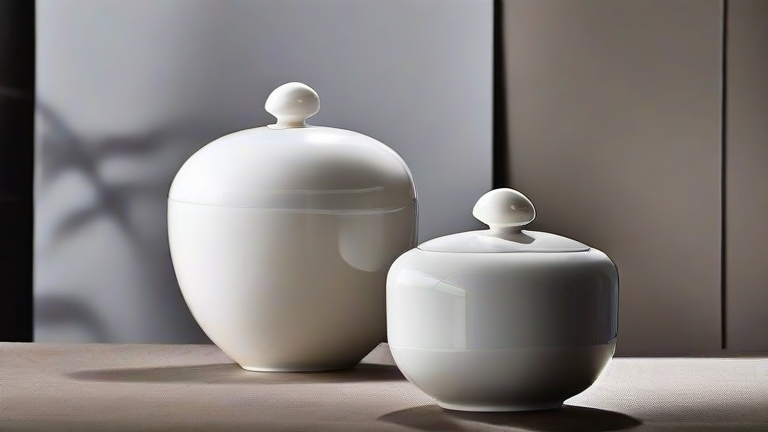
Porcelain Buying Guide: 10 Tips to Choose Quality Porcelain
TL;DR: Select porcelain by verifying the backstamp for authenticity and examining the rim for smoothness under your fingertips. Prioritize pieces with dense, white bodies and clear glazes to ensure durability and aesthetic longevity for your collection.
Step 1: Understand the Difference
First, distinguish between bone china, hard-paste, and soft-paste porcelains. Bone china is generally more durable and translucent, while hard-paste offers superior resistance to thermal shock. Knowing which type suits your needs prevents costly mistakes. For formal dining, bone china is often preferred due to its elegance and strength.
If you want to dig deeper, check out our guide on Porcelain Buying Guide: How to Choose the Best Porcelain for.
Step 2: Check the Backstamp
Examine the underside of each piece carefully. The backstamp indicates the manufacturer, date, and origin. Look for reputable brands and verify the date code if you are buying vintage items. A clear, legible stamp is a hallmark of quality control. Avoid items with missing or illegible markings unless you are certain of their provenance.
Step 3: Inspect for Flaws
Hold the piece up to a bright light. Look for pinholes, cracks, or crazing in the glaze. Crazing refers to a network of fine cracks that can trap food and bacteria over time. Check the rims and handles for any rough spots or chips. Even minor imperfections can worsen with regular use and washing.
Step 4: Assess Weight and Density
Lift the item to gauge its weight. High-quality porcelain should feel substantial yet balanced. It should not feel hollow or overly heavy for its size. The density of the clay body affects its durability. A well-made piece feels solid and reassuring in your hand, indicating proper firing temperatures were achieved.
Step 5: Evaluate the Glaze
Run your finger gently over the surface. The glaze should feel perfectly smooth and glassy. Look for any areas where the glaze appears thin or uneven. A high-quality glaze protects the underlying clay from moisture and stains. It should also shine uniformly without dull patches or bubbles.
Step 6: Match the Set
If buying a set, compare the color and pattern of every piece. Slight variations can occur in mass production, but significant differences indicate quality issues. Ensure all plates, bowls, and cups align visually. Consistency is crucial for a cohesive table setting, especially for formal occasions where uniformity is expected.
Step 7: Test for Ringing
Gently tap the edge of the piece with a fingernail or a small metal object. Quality porcelain produces a clear, high-pitched ring. A dull thud suggests the body is porous or improperly fired. This simple acoustic test reveals the integrity of the material without any visible inspection.
Step 8: Consider the Thickness
Look at the thickness of the walls and base. Thinner porcelain is often more elegant but may be more prone to breakage. Thicker pieces are more robust but can look less refined. Choose based on your usage frequency. Daily use might benefit from slightly thicker, more durable options.
Step 9: Check Manufacturer Reputation
Research the brand’s history and reputation for quality. Established manufacturers often have stricter quality control standards. Read reviews from other collectors or consumers. A reputable brand will stand behind their products, offering replacements for manufacturing defects.
Step 10: Budget for Care
Finally, consider the maintenance required. Some porcelains require hand washing, while others are dishwasher safe. Factor this into your long-term budget and lifestyle. Choosing a piece that fits your routine ensures it remains beautiful for years to come.
FAQ
Q: How can I tell if porcelain is real?
A: Real porcelain is translucent when held up to light and produces a clear ringing sound when tapped
Leave a Reply