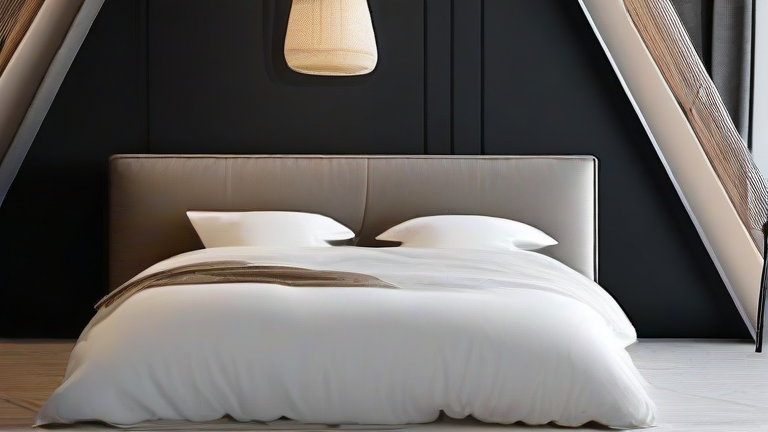
Why Sustainable Linen Bedding Is the Top Home Decor Trend
TL;DR: Sustainable linen bedding is the top trend because consumers prioritize eco-friendly, durable materials that reduce environmental impact. This shift is driven by rising demand for natural fibers and a desire for long-lasting, high-quality home essentials.
The home decor industry is undergoing a significant transformation, moving away from fast fashion textiles toward sustainable alternatives. Among these, linen has emerged as a dominant force, particularly in the bedroom. This shift is not merely aesthetic; it is a response to growing environmental concerns and a preference for products that offer longevity and comfort. As consumers become more educated about the environmental costs of synthetic fabrics, linen stands out as a superior choice. It requires less water and fewer pesticides to grow than cotton, making it an eco-friendly staple for the modern household. The trend is further accelerated by the increasing availability of certified organic and sustainable linen products, which appeal to the conscious consumer. Market data indicates a steady rise in sales for natural fiber bedding, with linen leading the pack in growth rates over the past three years. This growth is fueled by a broader movement toward slow living and minimalism, where quality and durability are valued over quantity. Consumers are willing to invest in premium linen pieces that will last for decades, reducing the need for frequent replacements. This long-term value proposition aligns perfectly with the principles of sustainability, creating a virtuous cycle of demand and supply. Experts in the textile industry note that linen’s unique properties, such as its breathability and moisture-wicking ability, make it ideal for year-round comfort. This functional benefit, combined with its aesthetic appeal, ensures its position at the forefront of home decor trends. Furthermore, the rise of e-commerce has made it easier for consumers to access high-quality linen from around the world, broadening the market and increasing competition. This competition drives innovation in production methods and material sourcing, further enhancing the sustainability credentials of linen bedding. As the global focus on climate change intensifies, the demand for sustainable home goods is expected to continue its upward trajectory. Industry analysts predict that the market for natural fiber bedding will expand significantly in the coming years, with linen maintaining its leadership role. This growth is supported by increasing regulatory pressures on manufacturers to adopt sustainable practices, which favors established natural fibers like linen. Additionally, the growing popularity of biophilic design, which seeks to connect occupants with nature, reinforces the appeal of natural materials. Linen’s rustic yet elegant aesthetic fits seamlessly into this design philosophy, making it a versatile choice for various interior styles. From minimalist Scandinavian setups to warm, bohemian spaces, linen bedding adds a layer of texture and authenticity that synthetic alternatives cannot replicate. This versatility ensures its widespread adoption across different demographics and geographic regions. As technology advances, we may see further improvements in linen processing, making it even more accessible and affordable. This could lead to a broader market penetration, as price remains a barrier for some consumers. However, the premium positioning of sustainable linen is likely to remain, as the perceived value of eco-friendly products continues to rise. In conclusion, sustainable linen bedding is not just a passing fad but a fundamental shift in how consumers approach home decor. It represents a commitment to sustainability, quality, and comfort, making it the definitive trend for the modern home. As the industry continues to evolve, linen will likely remain a central element, driving innovation and setting the standard for future textile developments. The convergence of environmental responsibility, functional excellence, and aesthetic appeal solidifies its status as the top choice for discerning homeowners.
If you want to dig deeper, check out our guide on The Ultimate Porcelain Buying Guide: How to Choose the Best.
FAQ
Q: Is sustainable linen bedding more expensive than synthetic alternatives?
A: While the initial cost is higher, the longevity and durability of linen make it more cost-effective over time due to reduced replacement needs.
Q: What makes linen more sustainable than cotton?
A: Linen requires significantly less water and fewer pesticides to grow, and its production process has a lower carbon footprint compared to cotton.
Q: How can consumers ensure they are buying truly sustainable linen?
A: Look for certifications such as OEKO-TEX or Global Organic Textile Standard (GOTS), which verify the environmental and social criteria of the product.
Leave a Reply