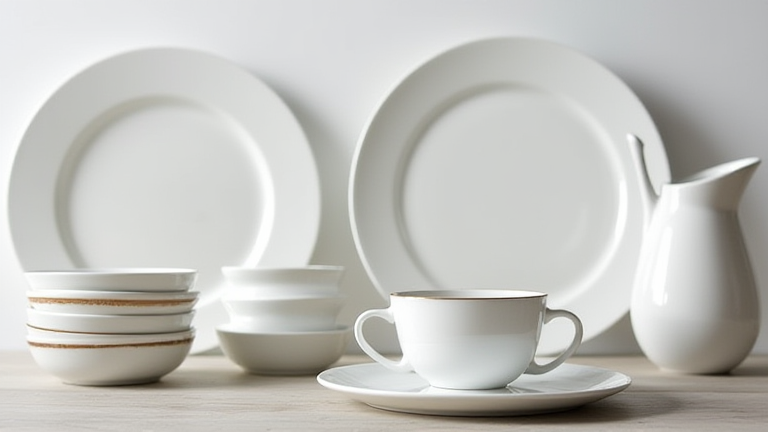
The Ultimate Porcelain Buying Guide: How to Choose the Perfect Tableware
TL;DR: To choose the perfect porcelain tableware, prioritize a high-fired vitreous body with a glossy glaze that is chip-resistant and microwave-safe. Evaluate the weight, thickness, and rim integrity of each piece to ensure durability and a balanced aesthetic that matches your dining style.
Step 1: Understand the Material Composition
Not all white dishware is created equal. True porcelain is made from kaolin clay, feldspar, and quartz, fired at extremely high temperatures (over 2,000 degrees Fahrenheit). This process creates a dense, non-porous structure that is stronger and more elegant than standard stoneware or earthenware. When shopping, look for terms like “vitreous” or “high-fired.” Avoid soft-paste porcelains, which are often less durable and may chip more easily over time. The ideal piece will feel smooth, heavy, and solid in your hand, indicating a high-quality body that will withstand daily use without absorbing stains or odors.
If you want to dig deeper, check out our guide on Ultimate Porcelain Buying Guide: 10 Tips for Perfect Lifesty.
Step 2: Assess Durability and Practical Features
Durability is the cornerstone of any practical tableware purchase. Inspect the rims of plates and bowls for any signs of uneven glazing or thin spots, as these are the first places to crack. Perform a simple “ring test” by gently tapping one piece against another; a high-quality porcelain set will produce a clear, melodic ring, while lower-quality items sound dull or hollow. Additionally, verify that the set is microwave, dishwasher, and oven-safe. Modern high-fire porcelains are designed to withstand these conditions, but always check the manufacturer’s specifications. A good balance of weight is crucial; if the plates are too light, they may feel flimsy, while overly heavy plates can be tiring to carry. Aim for a medium weight that feels substantial but not cumbersome.
Step 3: Evaluate Aesthetics and Design Cohesion
Your tableware should complement your home’s interior and dining habits. Consider the color palette; while classic white is timeless and versatile, subtle patterns or colored rims can add personality. Check the shape and size of the pieces to ensure they fit your existing flatware and glassware. For example, if you have large serving spoons, ensure your dinner plates have a wide enough well to accommodate them comfortably. Look at the glaze finish as well. A matte glaze offers a modern, rustic look, while a glossy finish is traditional and easier to clean. Ensure the design scales well; if you plan to mix and match with heirloom pieces, stick to a neutral base with accent colors to maintain flexibility in your presentation.
Step 4: Research Brand Reputation and Warranty
Investing in quality porcelain is a long-term decision. Research brands known for their craftsmanship, such as Villeroy & Boch, Noritake, or Rörstrand. Read customer reviews specifically looking for comments on longevity and resistance to chipping. Many premium brands offer limited lifetime warranties, which can provide peace of mind. Compare prices per piece rather than per set, as this gives a clearer picture of value. Sometimes, buying individual pieces from a reputable maker allows you to build a collection over time, ensuring that every item meets your exact standards for quality and design.
FAQ
Q: Is porcelain better than stoneware for daily use?
A: Porcelain is generally more durable and less porous than stoneware, making it more resistant to stains and chips, though high-quality stoneware is also a very durable option.
Q: How can I tell if porcelain is truly high-fire?
A: High-fire porcelain is typically thinner, lighter in color, and more translucent when held up to light, and it will sound like a clear bell when gently tapped.
Q: Can I repair chipped porcelain plates?
A: While you can sometimes bond small chips with food-safe adhesive, it is not recommended for heavy use as the repair
Leave a Reply