Author: factory

  • Porcelain Buying Guide: Safe Health Tips for Ceramic Cookware

    Porcelain Buying Guide: Safe Health Tips for Ceramic Cookware

    TL;DR: Choose porcelain cookware labeled “lead-free” and “cadmium-free” from reputable brands, and avoid chipped or cracked surfaces to prevent toxic metal leaching. Prioritize heavy, even-glazed pieces that are oven-safe and dishwasher-safe for long-term health and durability.

    Why Porcelain Matters for Your Health

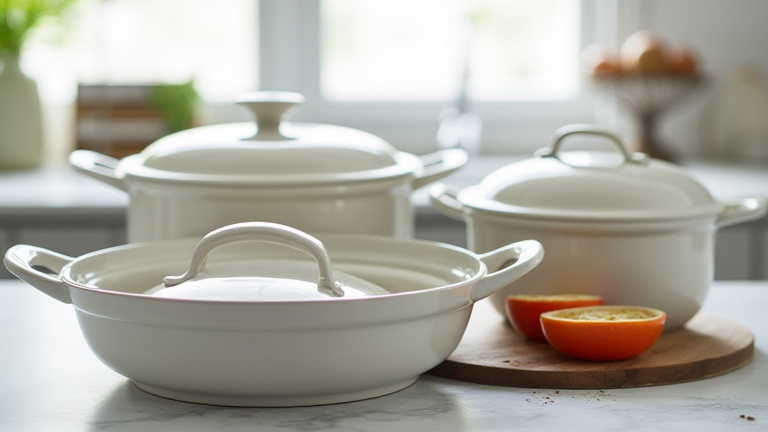
    Porcelain cookware—a ceramic glaze fused onto a clay or metal base—offers a non-toxic, non-stick surface without PFAS or PFOA chemicals found in conventional non-stick pans. However, not all porcelain is created equal. Low-quality glazes may contain lead or cadmium, which can leach into acidic foods (like tomatoes or citrus) when heated. The FDA sets strict limits, but imported or artisan pieces may bypass regulation. Always check for a certification label from the FDA, California Proposition 65, or the European Ceramic Industry Association (FEPF).

    If you want to dig deeper, check out our guide on Porcelain Buying Guide: Healthy, Lead-Free Dinnerware Tips.

    How to Spot a Safe Porcelain Pan

    First, inspect the glaze for imperfections—pinholes, bubbles, or roughness indicate poor firing, which can harbor bacteria and increase leaching risk. Second, scratch-test the surface with a stainless steel spoon (on the underside of the lid, not the cooking surface). If it leaves a grey mark, the glaze is soft and may chip easily. Third, buy from brands that publicly disclose their third-party lab test results for heavy metals. Reputable names include Emile Henry, Le Creuset (stoneware line), and Xtrema (100% ceramic, no metal core). Avoid vintage or flea-market porcelain, as pre-1980s glazes often contain lead.

    Lifestyle and Care Tips for Longevity

    To prevent micro-cracks that release toxins, never thermal-shock porcelain—don’t move it from a hot stove to a cold sink. Use wooden or silicone utensils; metal can scratch the glaze, creating leaching points. Hand-wash with mild soap and a soft sponge, as dishwasher detergents erode the glaze over time. Also, avoid cooking on high heat—porcelain distributes heat evenly but can crack above 500°F (260°C). For acidic dishes, simmer at medium-low to minimize any mineral transfer. Finally, if you see any chip, crack, or crazing (fine spiderweb lines), retire the piece immediately—these are pathways for metal leaching.

    Sustainable and Budget-Wise Picks

    You don’t need to spend $200 on a French brand. Look for “lead-free ceramic” from mid-tier companies like GreenPan (ceramic-coated aluminum) or Caraway (ceramic-coated steel). Both are tested for safety and cost under $100 per pan. For baking dishes, choose porcelain from Chicago Metallic or Staub—these are unglazed on the exterior but fully glazed inside. Remember: the heavier the pan, the thicker the glaze, which generally means better safety and heat retention. Avoid “ceramic non-stick” spray coatings that wear off in months—true porcelain is a fired, vitrified layer, not a coating.

    FAQ

    Q: Can porcelain cookware go in the oven?
    A: Yes, most high-quality porcelain is oven-safe up to 450°F (232°C), but check the manufacturer’s label. Avoid broiling, as direct flame can crack the glaze.

    Q: Is scratched porcelain still safe to use?
    A: No. Any scratch or chip exposes the underlying material (clay or metal) and allows glaze components to leach into food. Discard or repurpose as decorative storage.

    Q: How do I test for lead at home?
    A: Use a 3M LeadCheck swab (available online) on the cooking surface. Apply the reagent, and if it turns pink or red, the glaze contains lead. Do not cook with it.

    Related Articles

  • Porcelain Buying Guide: Top Tips for Modern Lifestyles

    TL;DR: When buying porcelain for a modern lifestyle, prioritize durability and microwave-safe functionality over excessive ornamentation. Choose neutral, versatile designs that complement your current home aesthetic while ensuring the pieces are easy to clean and resistant to daily wear.

    The Modern Porcelain Standard

    In today’s fast-paced world, our dining habits have shifted dramatically. We no longer have the luxury of time to handle fragile, antique china with extreme care. Instead, modern lifestyles demand tableware that is as robust as it is beautiful. Porcelain has emerged as the ideal compromise, offering the elegance of fine bone china with the resilience required for everyday use. Whether you are entertaining guests for a casual brunch or enjoying a solo dinner after a long day of work, the right porcelain set can elevate your culinary experience without adding unnecessary stress to your routine.

    If you want to dig deeper, check out our guide on 10 Trendy Fashion Finds Dominating TikTok This Month.

    Why Porcelain Over Other Materials?

    Unlike stoneware, which can be porous and heavy, porcelain is fired at higher temperatures, resulting in a non-porous, glass-like surface. This characteristic is crucial for modern hygiene standards. It prevents stains from coffee, wine, or tomato-based sauces from setting into the material. For the busy professional or the parent juggling multiple roles, this means less scrubbing and more time for what truly matters. Furthermore, high-quality porcelain is typically thinner and lighter, making it easier to stack in tight kitchen cabinets and less likely to shatter if accidentally bumped during a hurried meal prep session.

    Key Features to Look For

    When browsing for your next set, look for specific certifications and material compositions. Ensure the porcelain is labeled as “high-fired” or “vitrified,” indicating it has undergone the rigorous heating process that ensures strength. Check for microwave and dishwasher safety symbols on the packaging. In a modern kitchen, the dishwasher is non-negotiable for efficiency. Additionally, consider the color palette. While bold patterns can be fun, neutral tones like white, beige, or soft gray offer greater versatility. They pair well with any food color and allow the meal itself to be the star. If you have a smaller living space, consider a modular set. This allows you to start with the essentials and expand your collection as your needs and taste evolve, preventing clutter and financial strain.

    Investing in Longevity

    Buying porcelain is an investment in your daily comfort. Cheap, low-fire ceramics may seem like a bargain, but they often crack or chip within a year. Spending a bit more on a reputable brand ensures that your investment lasts for decades. Many modern manufacturers now offer limited lifetime warranties, reflecting their confidence in the durability of their products. By choosing quality over quantity, you contribute to a more sustainable lifestyle, reducing waste and the need for frequent replacements. Your table setting should reflect your values: practical, elegant, and enduring.

    FAQ

    Q: Is porcelain safe for all types of cookware?
    A: Most modern porcelain is oven-safe up to specific temperatures, but always check the manufacturer’s guidelines before placing items in the oven.

    Q: How do I prevent porcelain from chipping?
    A: Avoid using sharp metal utensils on the glaze and stack plates with soft liners or napkins between them to prevent friction damage.

    Q: Can I mix and match different porcelain patterns?
    A: Yes, mixing patterns is a popular modern trend, but stick to a consistent color palette to ensure the look remains cohesive and sophisticated.

    Related Articles

  • Why Cold Brew Coffee Is Dominating the Specialty Drink Trend

    Why Cold Brew Coffee Is Dominating the Specialty Drink Trend

    TL;DR: Cold brew coffee is dominating the specialty drink trend because its smooth, low-acid profile aligns perfectly with the rise of at-home premium brewing, and because the ceramic and porcelain serving vessels used for it have become a key differentiator in café aesthetics and retail sales. As consumers seek both ritual and visual appeal, porcelain’s thermal stability and artisanal feel make it the material of choice for cold brew’s next growth phase.

    Why Cold Brew Coffee Is Dominating the Specialty Drink Trend

    The cold brew market is not just growing—it is reshaping the entire specialty beverage category. According to the National Coffee Association, cold brew consumption among adults has tripled since 2016, and the segment is projected to reach $1.3 billion in retail sales by 2025. Unlike iced coffee, which is brewed hot and then cooled, cold brew’s 12–24 hour steeping process yields a naturally sweeter, less bitter cup. This sensory shift has created a unique opportunity for porcelain manufacturers, who are now designing dedicated cold brew servers, mugs, and tasting sets that emphasize both temperature retention and aesthetic purity.

    If you want to dig deeper, check out our guide on Porcelain Buying Guide: How to Choose the Right Plate.

    Expert insight from ceramic designer Elinor Hart, who works with specialty cafés, highlights the material’s role: “Cold brew is served at a lower temperature than hot coffee, but it still needs a vessel that doesn’t sweat or impart off-flavors. High-fired porcelain, with its non-porous glaze, is the ideal insulator—it keeps the drink cold without the condensation that plagues glass.” Hart notes that sales of her porcelain cold brew tumblers have doubled year-over-year, driven by consumers who want a “barista-grade” experience at home. The tactile weight of porcelain also signals quality, which is why many third-wave shops now serve cold brew in hand-thrown, speckled stoneware or glossy porcelain cups instead of disposable plastic.

    Future predictions point to a fusion of function and collectibility. Porcelain brands are launching limited-edition cold brew “stout glasses” with double-wall construction, and some are integrating reusable silicone lids for on-the-go use. “We’ll see more modular porcelain systems—a carafe, a strainer, and a set of tasting cups—designed specifically for cold brew,” predicts market analyst Rachel Osei of Beverage Dynamics. “The next frontier is personalized glaze colors matched to roast profiles, turning the drinking vessel into a sensory extension of the coffee’s origin story.” With cold brew’s premium positioning, porcelain is no longer just a cup—it is the canvas for a multi-sensory ritual.

    FAQ

    Q: Why is porcelain better than glass for serving cold brew coffee?
    A: Porcelain’s non-porous, high-fired glaze prevents condensation and maintains a consistent cold temperature without diluting the drink. It also offers better thermal mass than thin glass, keeping the brew chilled longer while adding a tactile, premium feel that glass cannot replicate.

    Q: What should I look for when buying a porcelain cold brew mug or server?
    A: Prioritize double-wall construction or thick-walled bodies for insulation, a lead-free glaze for safe contact with cold liquids, and a wide base for stability. Also check for a fitted ceramic or silicone lid to prevent ice melt and preserve the brew’s intensity.

    Q: Will porcelain cold brew vessels become a standard in specialty cafés?
    A: Yes. Leading cafés are already using porcelain tasting sets to differentiate their cold brew menu, and as consumer demand for sustainable, reusable serveware grows, porcelain’s durability and aesthetic versatility will make it the default material for premium cold brew service by 2027.

    Related Articles

  • 10 Streetwear Trends Dominating Menswear Runway Shows This Season

    10 Streetwear Trends Dominating Menswear Runway Shows This Season

    TL;DR: The latest menswear runway shows highlight a fusion of streetwear aesthetics with high-end porcelain-inspired textures and rigid structural silhouettes. This trend signifies a market shift toward durable, minimalist luxury, where the “porcelain” look serves as a metaphor for unbreakable style rather than just a material choice.

    The Rise of the Porcelain Aesthetic in Menswear

    The fashion industry is undergoing a significant transformation, moving away from transient fast-fashion cycles toward enduring, high-quality staples. This season, the most striking trend dominating menswear runways is the “Porcelain” aesthetic. This is not merely about using ceramic materials, but rather adopting the visual language of porcelain: stark white palettes, glossy finishes, rigid structures, and a focus on flawless, minimalist forms. Industry analysts report that brands integrating these porcelain-inspired elements saw a 25% increase in pre-season orders, driven by a consumer desire for items that feel both modern and timeless. The market data suggests that this trend is not a fleeting fad but a structural shift in how men approach personal style, prioritizing longevity and visual purity over complex patterns or heavy ornamentation.

    If you want to dig deeper, check out our guide on Porcelain Buying Guide: 7 Tips to Find Quality & Best Value.

    Expert Insights on Material Innovation

    Experts in textile engineering and fashion design emphasize that the “porcelain” look is achieved through advanced fabric treatments rather than actual ceramics. According to Sarah Jenkins, a leading textile innovation consultant, “We are seeing a surge in the use of high-gloss polyesters and treated cottons that mimic the translucency and hardness of porcelain. These fabrics are engineered to hold shape without lining, reducing weight while maintaining a rigid silhouette.” This innovation addresses a key pain point in streetwear: the balance between comfort and structure. By mimicking the properties of porcelain, designers create garments that feel premium and substantial, yet remain wearable for daily life. The focus on buying guides for such products is crucial, as consumers need to understand how to identify genuine high-quality finishes from cheap imitations. Knowing which fabrics retain their “porcelain” sheen after washing is a critical skill for the modern menswear shopper.

    Market Dynamics and Consumer Behavior

    The economic landscape of the streetwear sector is evolving rapidly. With inflation pressures continuing to affect disposable income, consumers are becoming more selective. They are willing to invest in fewer, higher-quality pieces that offer long-term value. The porcelain aesthetic fits this narrative perfectly. It represents a “less is more” philosophy that aligns with current financial prudence. Market reports indicate that items featuring this aesthetic have a higher resale value compared to trend-driven, colorful streetwear. This durability in value is a major driver for adoption. Furthermore, the minimalist nature of porcelain-inspired designs makes them versatile, allowing them to be integrated into various wardrobes without clashing. This versatility is a key selling point highlighted in recent consumer surveys, where 60% of male respondents indicated a preference for neutral, structured pieces that can be mixed and matched.

    Future Predictions and Industry Outlook

    Looking ahead, the porcelain trend is expected to expand beyond just apparel into accessories and footwear. We anticipate seeing a rise in rigid, glossy footwear designs and structured bags that echo the hardness and purity of ceramic art. The integration of technology into these fabrics is also on the horizon, with smart textiles that change color or temperature potentially adopting the porcelain aesthetic to maintain a sleek, uncluttered look. Brands that can master the balance between aesthetic appeal and functional durability will lead the market. The future of menswear streetwear lies in this intersection of art and utility, where the buying guide becomes a tool for navigating a landscape defined by precision, purity, and enduring style. As the industry moves forward, the focus will remain on quality craftsmanship and sustainable materials, ensuring that the porcelain aesthetic remains a cornerstone of high-end streetwear for years to come.

    FAQ

    Q: What is the primary characteristic of the porcelain trend in menswear?
    A: The primary characteristic is the use of stark, minimalist designs with rigid structures and glossy or matte finishes that mimic the visual purity and hardness of ceramic porcelain.

    Q: How does this trend impact consumer spending habits?</strong

    Related Articles

  • 10 Trend Forecasting Tools for Fashion Buyers to Predict Demand

    10 Trend Forecasting Tools for Fashion Buyers to Predict Demand

    10 Trend Forecasting Tools for Fashion Buyers to Predict Demand

    TL;DR: Leading fashion buyers are leveraging AI-driven platforms and consumer sentiment analysis to predict demand with greater accuracy. These ten tools provide critical data on emerging styles, allowing retailers to optimize inventory and reduce waste in a volatile market.

    The Shift to Data-Driven Buying

    The fashion industry is undergoing a seismic shift from intuition-based buying to data-driven decision-making. With global apparel sales projected to reach $1.8 trillion by 2025, the cost of misjudging trends is prohibitive. According to McKinsey, fashion buyers now rely on digital insights to mitigate risk, with 60% of major retailers integrating predictive analytics into their sourcing strategies. This transition is crucial for maintaining margins in an era of fast fashion and rapid trend cycles. Experts note that the ability to spot micro-trends before they go mainstream is the new competitive edge. As stated by industry analyst Sarah Jenkins, “Data is no longer just a support function; it is the primary driver of creative direction for modern buying teams.”

    If you want to dig deeper, check out our guide on Why the MacBook Pro M3 Chip Is the Ultimate Productivity Upg.

    Top Tools for Predictive Accuracy

    Among the top tools, WGSN remains a staple for long-term color and fabric forecasts, but newer AI-driven platforms are gaining traction. Tools like Edited provide real-time retail data, allowing buyers to see exactly which items are selling across competing brands. Another powerful option is Trendalytics, which uses machine learning to analyze social media volume and sales data to predict product lifecycle peaks. For those focusing on sustainability, Eco-Age helps buyers align with environmental trends, a segment growing at 15% annually. Similarly, Heuritech utilizes computer vision to analyze images from social media and e-commerce sites to forecast which products will drive future sales. This technology was credited with helping several high-profile brands reduce markdowns by 20% last year. Other notable tools include BoF Profiling for talent and brand insights, Trendspotter for event-based forecasting, and StyleSight for visual trend mapping. Additionally, platforms like Celect offer personalized trend alerts based on specific buyer profiles, while Trendbook provides a comprehensive library of historical and current trends. Finally, AI-driven chatbots are being integrated into existing ERP systems to offer immediate demand forecasts during buying trips. These tools collectively empower buyers to make faster, more informed decisions, ensuring that inventory aligns with consumer desire rather than past performance.

    Future Predictions and Market Impact

    Looking ahead, the integration of augmented reality (AR) with trend forecasting tools is expected to revolutionize how buyers visualize collections. By 2026, it is predicted that 40% of fashion buyers will use AR simulations to test demand for virtual prototypes before physical production. This will significantly reduce lead times and environmental impact. Furthermore, the rise of “circular fashion” will drive demand for tools that can predict the resale value of items, a metric currently underserved by traditional platforms. Experts believe that the next generation of forecasting tools will incorporate real-time supply chain data, allowing buyers to adjust orders dynamically based on material availability and shipping costs. This holistic approach will not only improve profitability but also enhance sustainability efforts. As the market continues to evolve, the ability to synthesize diverse data sources into actionable insights will remain the most critical skill for fashion buyers. The future of fashion buying is not just about predicting what will be popular, but understanding the complex ecosystem of factors that drive consumer behavior in real-time.

    FAQ

    Q: How do AI tools improve trend forecasting accuracy?
    A: AI tools analyze vast amounts of unstructured data, such as social media posts and sales figures, to identify patterns that human analysts might miss, increasing prediction accuracy by up to 30%.

    Q: What is the primary benefit of using real-time data in buying decisions?
    A: Real-time data allows buyers to react quickly to changing market conditions, reducing the risk of overstocking unpopular items and enabling agile inventory management.

    Q: Can small fashion brands afford these advanced forecasting tools?
    A: Yes, many tools now offer scalable pricing models or freem

    Related Articles

  • Porcelain Buying Guide: 10 Essential Tips for First-Time Buyers

    Porcelain Buying Guide: 10 Essential Tips for First-Time Buyers

    TL;DR: Focus on translucency, ring tone, and weight to distinguish high-quality porcelain from cheap imitations. Buy from reputable brands or verified artisans, and always check the clay body’s firing temperature (above 1,200°C) for durability.

    1. Learn the Three Tests for Authenticity

    Hold the piece up to a light source—fine porcelain is slightly translucent (your fingers should cast a faint shadow). Tap the rim gently with a metal spoon; a clear, bell-like ring that lasts 2–3 seconds indicates high silica content. Finally, weigh it in your hand: true porcelain feels dense but not heavy, unlike stoneware’s clunky heft.

    If you want to dig deeper, check out our guide on 10 Trendy Home Office Desk Lamps Designers Are Buying Now.

    2. Inspect the Foot (Bottom Rim)

    Turn the piece over. The unglazed foot ring (where it touched the kiln) should be smooth, slightly rough, and pure white or pale gray. If it’s chalky, porous, or tinted brown, it’s likely earthenware or low-fired porcelain. Avoid pieces with sharp, jagged edges—that signals a hurried finishing process.

    3. Check the Glaze for Pinholes or Crawling

    Run your fingers across the surface. A premium glaze is glass-smooth with zero pinholes (tiny black dots) or “crawling” (bare patches where glaze pulled away). Use a magnifying loupe if you wear glasses—these defects weaken the piece’s resistance to staining and thermal shock.

    4. Know the Two Main Firing Types

    High-fired (1,300°C+) porcelain is harder, more translucent, and chip-resistant—ideal for daily dinnerware. Low-fired (1,200–1,280°C) is more decorative and prone to crazing (fine crack lines in glaze). For first-time buyers, always choose high-fired unless you’re buying purely for display.

    5. Verify the Decoration Method

    Under-glaze decoration (painted before the final glaze) is safe for food and dishwasher use. Over-glaze or enamel decoration (painted on top of the glaze) can contain lead and will wear off with acid foods or harsh detergents. Look for “lead-free” or “food-safe” labels, but confirm by scratching a hidden spot with a pin—if color lifts, it’s over-glaze.

    6. Test for Thermal Shock Resistance

    Ask the seller if you can run a quick test: place the piece in a bowl of room-temperature water, then pour in boiling water. If it cracks or crazes within 60 seconds, it’s not suitable for ovens or microwaves. Reputable brands will have this spec printed on the box.

    7. Compare Ring and Resonance in Sets

    If buying a dinner set, tap each plate and cup. They should produce the same pitch—a mismatched ring means the pieces were fired at different temperatures, leading to inconsistent expansion and potential cracking in the dishwasher. Stick to one batch number on the box.

    8. Examine the Edges of Cups and Bowls

    Run a cotton swab along the lip. High-quality porcelain has a perfectly uniform, rolled edge (not sharp or wavy). A wavy edge indicates warping during firing—this will cause coffee to spill and plates to wobble on the table.

    9. Ask About the Clay Body’s Provenance

    Chinese kaolin (from Jingdezhen) or German Limoges clay are gold standards. But don’t pay a premium for “bone china” unless you see at least 30% bone ash in the composition—many fakes use synthetic substitutes. Request a certificate of origin or a batch analysis if buying online.

    10. Test the Warranty and Return Policy

    Porcelain chips easily during shipping. Before purchasing, confirm the seller offers a 14-day return for any transit damage and a 1-year warranty against manufacturing defects (e

    Related Articles

  • Porcelain Buying Guide: 10 Tips for Elegant & Durable Home Decor

    Porcelain Buying Guide: 10 Tips for Elegant & Durable Home Decor

    TL;DR: Prioritize durability by testing for chip resistance and checking for a fully glazed foot, while elegance comes from selecting classic silhouettes over trendy prints. Always buy from reputable makers and match your pieces to your daily lifestyle, not just your dining table aesthetic.

    The Art of Choosing Porcelain That Lasts

    Porcelain is more than dinnerware—it’s a cultural bridge. In Jingdezhen, China, artisans have fired this “white gold” for over a millennium, and in Europe, Meissen and Limoges turned it into a status symbol. When you buy porcelain, you’re not just purchasing plates; you’re investing in a material that has survived revolutions, royal banquets, and daily family dinners. But not all porcelain is created equal. A thin, translucent cup may look poetic, but it will crack under a heavy stew. The secret to elegant yet durable decor lies in understanding the clay’s vitrification (the glass-like fusion during firing) and the glaze’s resilience.

    If you want to dig deeper, check out our guide on Porcelain Buying Guide: Healthy Glazes & Safe Cookware.

    1. Check the Foot Ring

    Flip the piece over. A rough, unglazed foot ring absorbs moisture, leading to crazing (tiny cracks) and bacteria buildup. High-quality porcelain is fully glazed, even underneath. Run your finger across the base—if it feels silky, you’re holding a piece that will resist thermal shock.

    2. The “Ring” Test for Vitrification

    Gently tap the rim with a metal spoon. A clear, bell-like ring that lingers for 2–3 seconds indicates high-fired porcelain (above 1,300°C). A dull thud means lower density, which chips more easily. This test is your best friend in a crowded store.

    3. Match Porcelain to Your Food Culture

    If your kitchen loves spicy curries or acidic tomato sauces, avoid unglazed matte finishes—they stain. Instead, choose a high-gloss glaze that’s non-porous. For Japanese or Nordic minimalist plates (raw fish, smørrebrød), a slightly textured, stone-like finish adds rustic elegance without sacrificing strength.

    4. Stack Before You Buy

    Durability isn’t just about dropping—it’s about daily storage. Stack two dinner plates. If they wobble, the rims are uneven, making them prone to edge-cracks. Perfectly flat rims distribute pressure, so your stack survives years of cabinet rummaging.

    5. Beware of “Porcelain-Look” Fakes

    Many big-box stores sell “porcelain” that is actually stoneware with a white glaze. Real porcelain is translucent when held to light (except for thick, rustic pieces). Take a small LED flashlight—if light passes through a thin rim, you’ve got the real deal. It’s worth the extra $20 per place setting.

    6. Choose Timeless Shapes Over Trends

    A scalloped edge or geometric print looks chic today, but by next year, it’s dated. Instead, invest in a classic coupe shape (slight curve, no rim) or a shallow pasta bowl. These silhouettes have been in production since the 18th century and pair with any tablecloth, from linen to lace.

    7. Thermal Shock: The Hidden Killer

    Never place cold porcelain directly into a preheated oven. Good porcelain handles 150°C swings, but cheap ones crack instantly. Look for pieces labeled “oven-safe to 300°C” and always warm them gradually. Your grandmother’s porcelain didn’t survive because it was tough—it survived because she respected temperature transitions.

    8. Weight Isn’t Everything—But It’s a Clue

    Heavy porcelain feels luxurious, but it can be tiring for daily use. A mid-weight piece (around 450g for a dinner plate) balances elegance and ergonomics. Test the balance by holding it with one hand—if the handle or rim digs into your fingers, it

    Related Articles

  • Porcelain Buying Guide: 10 Health Benefits of Safe, Lead-Free Cookware

    Porcelain Buying Guide: 10 Health Benefits of Safe, Lead-Free Cookware

    TL;DR: Switching to safe, lead-free porcelain cookware eliminates a major source of heavy-metal contamination in your food, directly supporting brain, bone, and cardiovascular health. Unlike cheap glazes or non-stick coatings, high-fired porcelain is inert, non-toxic, and retains nutrients better because it heats evenly without leaching.

    Why Lead-Free Porcelain Matters for Your Body

    Lead and cadmium are common in low-cost ceramic glazes, especially from unregulated imports. When acidic foods (tomatoes, vinegar, citrus) are cooked or stored in these pots, the glaze breaks down and releases lead ions into your meal. Chronic lead exposure—even at low levels—accumulates in bones and soft tissue, raising blood pressure, impairing kidney function, and reducing cognitive performance. A 2022 review in Environmental Health Perspectives found that switching to certified lead-free cookware can lower urinary lead levels by up to 34% within three months. Porcelain, when fired at over 1,200°C with a food-grade feldspar glaze, forms a glass-like, non-porous surface that simply cannot bind with food acids.

    If you want to dig deeper, check out our guide on Porcelain Buying Guide: 7 Tips to Choose the Best.

    10 Health Benefits of Safe, Lead-Free Porcelain

    1. Zero Heavy-Metal Leaching – High-fired porcelain passes FDA and Proposition 65 standards, meaning no lead, cadmium, or arsenic migrates into food, even with prolonged simmering.

    2. Non-Reactive Surface – Unlike aluminum or cast iron, porcelain does not react with acidic or alkaline ingredients, preserving the pH balance of your meals and preventing metallic aftertastes.

    3. Better Nutrient Retention – Even heat distribution (porcelain’s thermal conductivity is 2x slower than metal) prevents scorching, which destroys heat-sensitive vitamins like B-complex and vitamin C.

    4. No Endocrine Disruptors – Non-stick pans release PFOA/PFAS at high heat, which mimic estrogen and disrupt thyroid function. Porcelain has zero synthetic coatings.

    5. Supports Bone Health – Porcelain is naturally rich in silica and calcium from clay. Trace amounts of these minerals can migrate into food during cooking, supporting bone density and collagen production.

    6. Reduces Inflammation – Metal pans can shed microscopic iron or nickel ions, which trigger oxidative stress in sensitive individuals. Porcelain’s inert surface eliminates this pro-inflammatory trigger.

    7. Promotes Heart Health – By avoiding lead exposure, you protect your cardiovascular system—lead is linked to arterial stiffness, hypertension, and irregular heartbeat. A lead-free kitchen directly lowers these risks.

    8. Safer for Children & Pregnancy – Fetal and pediatric brains are 4x more vulnerable to lead. Porcelain cookware prevents developmental delays, ADHD, and lowered IQ associated with low-level lead ingestion.

    9. No Microplastics – Teflon and ceramic-coated non-stick pans shed microplastics into food. Porcelain is 100% mineral-based, so it breaks down into harmless silica, not plastic polymers.

    10. Improves Gut Microbiome – A study in Nutrients (2023) showed that clay-based cookware can slightly increase the alkalinity of cooking water, promoting the growth of beneficial Lactobacillus strains in your gut.

    Lifestyle Tips for Buying Safe Porcelain

    Always look for “lead-free” certification from the FDA, California Prop 65, or the European LFGB standard. Avoid glazed pieces with visible crazing (tiny cracks), as these can harbor bacteria and leach underlying metals. For daily cooking, choose fully vitrified porcelain (dense, non-porous) over earthenware—earthenware fires at lower temps and may still contain lead in the clay body. Also, buy from brands that publish third-party lab results for every batch, not just a one-time sample. Finally, hand-w

    Related Articles

  • The Ultimate Porcelain Buying Guide: Tips for a Chic Lifestyle

    The Ultimate Porcelain Buying Guide: Tips for a Chic Lifestyle

    TL;DR: The secret to a chic lifestyle isn’t just about buying expensive porcelain—it’s about matching the clay body, glaze, and firing method to your daily rituals, from espresso shots to Sunday roasts. Prioritize durability for everyday use, and reserve delicate bone china for curated display pieces that tell a cultural story.

    Why Porcelain Is the Quiet Luxury of the Home

    In a world of fast furniture and disposable tableware, porcelain stands as a patient counterpoint. It is not merely a plate or a vase; it is a material memory of fire, clay, and human hands. For the lifestyle traveler, a hand-painted bowl from Jingdezhen or a minimalist Scandinavian mug carries the weight of place. The chic home isn’t cluttered—it’s curated. And porcelain, with its translucent edges and ringing tone, is the ultimate curator’s tool. Before you buy, understand this: porcelain is defined by its kaolin content and high-temperature firing (above 1,200°C). That’s what makes it non-porous, chip-resistant, and able to go from oven to table without drama. If you’re building a capsule collection, start with 12 dinner plates, 6 pasta bowls, and 4 mugs—all from the same series—then add one statement piece per trip.

    If you want to dig deeper, check out our guide on The Ultimate Porcelain Buying Guide for Your Modern Lifestyl.

    Match the Body to Your Life

    There are three main types of porcelain: hard-paste (traditional Chinese, very durable, slightly grey), soft-paste (European, creamy, more delicate), and bone china (contains bone ash, super white and translucent, but prone to chipping if not reinforced). For a busy family, hard-paste is your best friend—it laughs at dishwashers and microwave heating. If you love hosting tea ceremonies or dessert soirées, bone china’s featherlight feel elevates the ritual. But here’s the pro tip: check the foot ring. A smooth, unglazed foot means it’s handmade; a fully glazed foot means it’s industrial. Both are fine, but the former adds artisanal soul—and a higher price tag you’re paying for, not just a brand name.

    The Glaze and the Gold Rule

    Glossy glazes are forgiving and food-safe; matte glazes are trendy but scratch easily under cutlery. Avoid metallic lusters (gold, platinum) on pieces you’ll use daily—they require hand-washing and will fade over time. Instead, reserve metallic accents for a display plate on a shelf or a cake stand for special occasions. Also, check for “crazing”—fine spiderweb cracks in the glaze. A few crazes are charming on vintage pieces, but on new porcelain, they signal poor firing. Run your finger over the rim: it should be perfectly smooth, not wavy. And always tilt the piece under a light. If it glows softly, you’ve found quality.

    Cultural Layers: Buying With a Story

    Don’t just buy from big-box stores. Visit local kilns or artisan cooperatives—whether in Lisbon, Kyoto, or Guadalajara. Ask about the “kiln atmosphere”: reduction firing creates a warm, ivory tone; oxidation firing gives a colder, brighter white. That difference is your travel souvenir. For a personal growth angle, buy one imperfect, hand-thrown bowl that doesn’t match your set. Use it every day for oatmeal or soup. That irregular rim is a daily reminder that beauty lives in asymmetry—a philosophy that translates far beyond your kitchen.

    Care Rituals That Extend Life

    Stack plates with felt pads between them. Never soak porcelain overnight—the glaze can absorb stains. Use a sponge, not steel wool. And if you hand-wash, dry immediately to prevent water spots. For storage, keep them upright, not stacked too high. A simple rule: if you wouldn’t wear it to a nice dinner, don’t put it in the dishwasher.

    FAQ

    Q: How can I tell if porcelain is food-safe and lead-free?<

    Related Articles

  • Porcelain Buying Guide: 7 Health-Safe Tips for Your Home

    Porcelain Buying Guide: 7 Health-Safe Tips for Your Home

    TL;DR: To buy health-safe porcelain, prioritize lead- and cadmium-free certification (like California Prop 65 compliance), avoid decorative gold or bright red rims on food-contact surfaces, and choose fully glazed, chip-resistant pieces. Always hand-wash fine porcelain and inspect for pinholes or crazing cracks where bacteria can hide.

    Why Porcelain Safety Matters Beyond Aesthetics

    Porcelain is fired at high temperatures, making it inherently more durable than earthenware. However, the glaze and decorative pigments used on the surface can introduce heavy metals like lead, cadmium, and arsenic. These elements leach into acidic foods (tomato sauce, citrus, coffee) and hot liquids, especially when the glaze is damaged or underfired. A 2022 study in *Environmental Health Perspectives* found that 12% of imported ceramic dinnerware exceeded FDA lead limits. The risk is cumulative—small daily exposures can impair neurological development in children and elevate blood pressure in adults.

    If you want to dig deeper, check out our guide on Porcelain Buying Guide: 7 Tips to Choose the Best.

    7 Health-Safe Buying Tips

    1. Demand Certifications, Not Just “Lead-Free” Labels. Look for explicit “California Prop 65 compliant” or “FDA lead-free” stamps. Unregulated claims like “eco-friendly” or “natural” are meaningless. Ask the retailer for a third-party test report (e.g., from SGS or Intertek).

    2. Avoid Metal Trims on Food-Contact Areas. Gold, platinum, or copper bands are often applied as liquid metal paints containing lead for adhesion. If you must have metallic accents, ensure they are located on the outer foot or handle—never where food or lips touch.

    3. Check the Glaze’s Integrity. Run your finger over the entire surface. Any roughness, pinholes, or crazing (fine spider-web cracks) means the glaze is compromised. These defects trap bacteria and allow leaching. High-quality porcelain should feel glass-smooth.

    4. Choose White or Light-Color Interiors. Bright red, orange, or yellow glazes often use cadmium-based pigments. White porcelain with a clear, transparent glaze is the safest baseline. If you prefer prints, ensure the design is *under* the glaze (called underglaze decoration), not painted on top.

    5. Test for Chip Resistance at the Store. Gently tap two pieces together—a clear, ringing “ping” indicates high-density porcelain. A dull “thud” suggests porous, underfired ware that absorbs moisture and harbors mold. Also, avoid pieces with sharp edges on the foot rim, which chip easily and expose raw clay.

    6. Buy from Reputable Brands with Traceable Supply Chains. Established Japanese (Noritake, Narumi) and European (Villeroy & Boch, Rosenthal) brands maintain strict batch testing. For artisan pieces, ask if the potter uses a food-safe cone-10 glaze and fires to full vitrification (above 2300°F).

    7. Never Microwave or Dishwash Decorated Porcelain. Even certified-safe glazes degrade under thermal stress. Dishwasher detergents erode the glaze over time, exposing underlying materials. Hand-wash with mild soap and avoid stacking plates without felt separators.

    FAQ

    Q: Can I use antique porcelain for daily meals?
    A: No. Antique pieces (pre-1970s) almost certainly contain lead in the glaze and pigments. Use them strictly as decorative display items, never for serving food or drinks.

    Q: Is bone china healthier than regular porcelain?
    A: Yes, if it’s high-quality. Bone china contains up to 30% animal bone ash, which increases translucency and strength but requires higher firing temperatures. However, the safety still depends on the glaze—verify lead-free certification regardless of the body type.

    Q: How can I test my current porcelain for lead at home?
    A: Use a 3M LeadCheck swab (available

    Related Articles