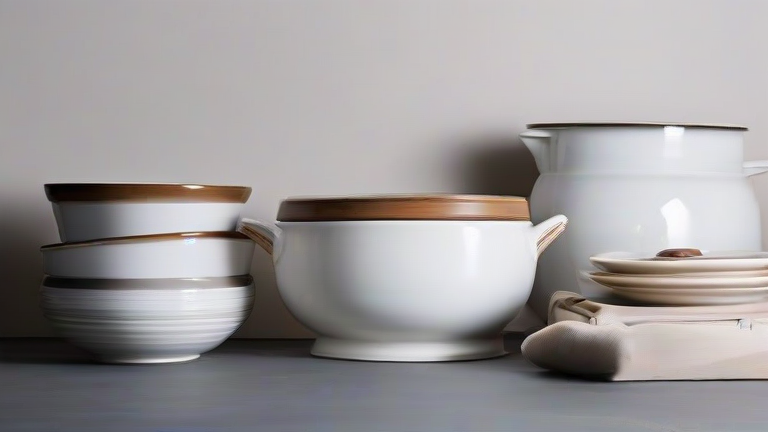
TL;DR: Choose porcelain labeled “lead-free” and “cadmium-free” from reputable brands, prioritizing glazes that are food-safe and fired at high temperatures (above 1200°C). Avoid vintage or hand-painted pieces with metallic finishes, as they often contain heavy metals that can leach into acidic foods.
Why Porcelain Glazes Matter for Your Health
Porcelain is prized for its durability and non-porous surface, but the glaze—the glassy coating that seals the clay—is where safety risks hide. Traditional glazes often use lead or cadmium to achieve bright colors or a glossy finish. When exposed to acidic foods (tomato sauce, citrus, vinegar) or high heat (microwave, dishwasher), these heavy metals can leach into your meals. Chronic lead exposure is linked to neurological damage, while cadmium harms kidneys and bones. Science-backed research from the FDA shows that even “food-safe” glazes can fail if improperly fired. Look for glazes labeled lead-free and cadmium-free, and check that the manufacturer certifies compliance with Proposition 65 (California) or EU Regulation 1935/2004.
If you want to dig deeper, check out our guide on Porcelain Buying Guide: Essential Tips for a Perfect Home.
How to Identify Safe Porcelain at the Store
First, read the fine print. Reputable brands like Le Creuset, Emile Henry, and Noritake explicitly state their glazes are free of lead and cadmium. If the label is vague, ask for a certificate of analysis. Second, inspect the surface—a high-quality glaze is smooth, glossy, and free of crazing (tiny spiderweb cracks). Crazing provides pathways for bacteria and chemical leaching. Third, avoid decorative rims or metallic accents (gold, platinum, copper) on the eating surface; these are often applied as low-fire lusters containing lead. Stick to solid, underglaze colors or simple white porcelain. Finally, check the firing temperature: commercial porcelain fired at 1300°C–1400°C renders glazes inert, while low-fire earthenware (under 1100°C) is riskier. When in doubt, use a home lead-testing kit (available at hardware stores) on the inside of the piece before first use.
Lifestyle Tips for Long-Term Safe Use
Even with safe porcelain, habits matter. Do not microwave porcelain with metallic trim—it can spark and release particles. Hand-wash pieces with gentle soap to preserve glaze integrity; harsh dishwasher detergents can etch the surface over time. Discard any piece that shows chips, cracks, or dulling of the glaze—these are signs that the barrier is compromised. For daily use, prioritize plain white porcelain for coffee mugs and dinner plates; colored glazes, especially reds and yellows, are more likely to contain cadmium. Store acidic foods in glass or stainless steel if you must refrigerate overnight, as prolonged contact increases leaching risk. Finally, buy from brands that publish their safety testing—transparency is your best predictor of health safety.
FAQ
Q: Are all porcelain glazes safe if they say “food-safe” on the label?
A: No. The term “food-safe” is not federally regulated in all countries. Always look for explicit “lead-free” and “cadmium-free” claims, plus certification from independent labs (e.g., SGS, TÜV). If only “food-safe” is printed, request the material safety data sheet (MSDS) from the manufacturer.
Q: Can I make my vintage porcelain safe by re-firing it in my home oven?
A: No. Home ovens cannot reach the 1200°C+ required to vitrify glazes. Re-firing at lower temperatures can actually release more lead. Retire vintage, hand-painted, or imported decorative porcelain from food contact entirely—use it for display only.
Q: Is matte or textured porcelain safer than glossy?
A: Not necessarily. Matte glazes are often less durable and more porous, which can harbor bacteria and allow chemicals to leach more easily. Glossy
Leave a Reply