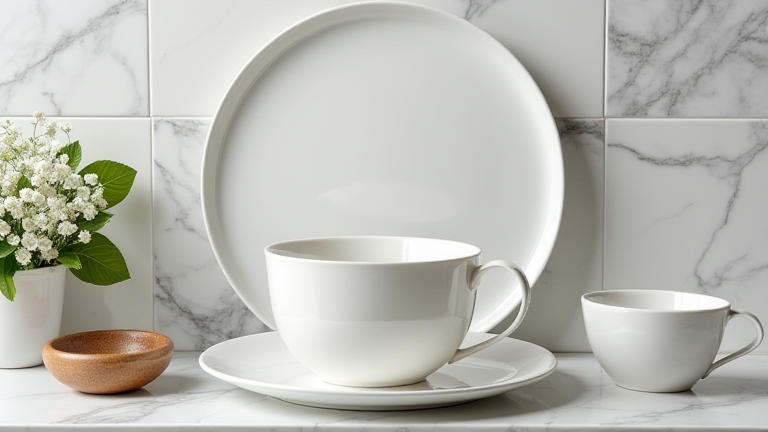
TL;DR: The secret to a chic lifestyle isn’t just about buying expensive porcelain—it’s about matching the clay body, glaze, and firing method to your daily rituals, from espresso shots to Sunday roasts. Prioritize durability for everyday use, and reserve delicate bone china for curated display pieces that tell a cultural story.
Why Porcelain Is the Quiet Luxury of the Home
In a world of fast furniture and disposable tableware, porcelain stands as a patient counterpoint. It is not merely a plate or a vase; it is a material memory of fire, clay, and human hands. For the lifestyle traveler, a hand-painted bowl from Jingdezhen or a minimalist Scandinavian mug carries the weight of place. The chic home isn’t cluttered—it’s curated. And porcelain, with its translucent edges and ringing tone, is the ultimate curator’s tool. Before you buy, understand this: porcelain is defined by its kaolin content and high-temperature firing (above 1,200°C). That’s what makes it non-porous, chip-resistant, and able to go from oven to table without drama. If you’re building a capsule collection, start with 12 dinner plates, 6 pasta bowls, and 4 mugs—all from the same series—then add one statement piece per trip.
If you want to dig deeper, check out our guide on The Ultimate Porcelain Buying Guide for Your Modern Lifestyl.
Match the Body to Your Life
There are three main types of porcelain: hard-paste (traditional Chinese, very durable, slightly grey), soft-paste (European, creamy, more delicate), and bone china (contains bone ash, super white and translucent, but prone to chipping if not reinforced). For a busy family, hard-paste is your best friend—it laughs at dishwashers and microwave heating. If you love hosting tea ceremonies or dessert soirées, bone china’s featherlight feel elevates the ritual. But here’s the pro tip: check the foot ring. A smooth, unglazed foot means it’s handmade; a fully glazed foot means it’s industrial. Both are fine, but the former adds artisanal soul—and a higher price tag you’re paying for, not just a brand name.
The Glaze and the Gold Rule
Glossy glazes are forgiving and food-safe; matte glazes are trendy but scratch easily under cutlery. Avoid metallic lusters (gold, platinum) on pieces you’ll use daily—they require hand-washing and will fade over time. Instead, reserve metallic accents for a display plate on a shelf or a cake stand for special occasions. Also, check for “crazing”—fine spiderweb cracks in the glaze. A few crazes are charming on vintage pieces, but on new porcelain, they signal poor firing. Run your finger over the rim: it should be perfectly smooth, not wavy. And always tilt the piece under a light. If it glows softly, you’ve found quality.
Cultural Layers: Buying With a Story
Don’t just buy from big-box stores. Visit local kilns or artisan cooperatives—whether in Lisbon, Kyoto, or Guadalajara. Ask about the “kiln atmosphere”: reduction firing creates a warm, ivory tone; oxidation firing gives a colder, brighter white. That difference is your travel souvenir. For a personal growth angle, buy one imperfect, hand-thrown bowl that doesn’t match your set. Use it every day for oatmeal or soup. That irregular rim is a daily reminder that beauty lives in asymmetry—a philosophy that translates far beyond your kitchen.
Care Rituals That Extend Life
Stack plates with felt pads between them. Never soak porcelain overnight—the glaze can absorb stains. Use a sponge, not steel wool. And if you hand-wash, dry immediately to prevent water spots. For storage, keep them upright, not stacked too high. A simple rule: if you wouldn’t wear it to a nice dinner, don’t put it in the dishwasher.
FAQ
Q: How can I tell if porcelain is food-safe and lead-free?<
Leave a Reply