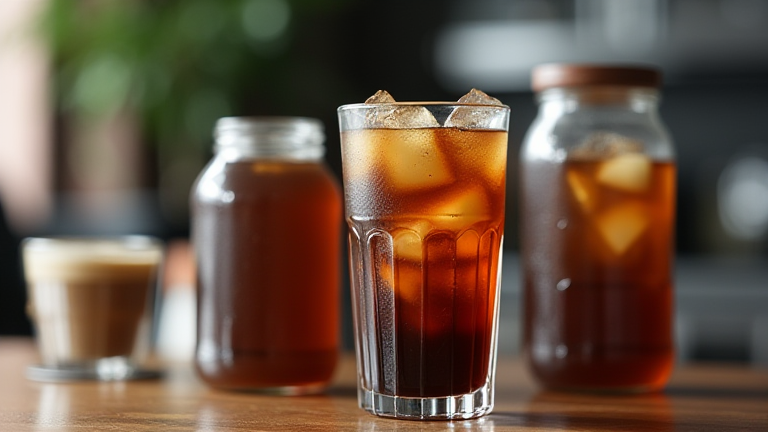
TL;DR: Cold brew coffee is dominating the specialty drink trend because its smooth, low-acid profile aligns perfectly with the rise of at-home premium brewing, and because the ceramic and porcelain serving vessels used for it have become a key differentiator in café aesthetics and retail sales. As consumers seek both ritual and visual appeal, porcelain’s thermal stability and artisanal feel make it the material of choice for cold brew’s next growth phase.
Why Cold Brew Coffee Is Dominating the Specialty Drink Trend
The cold brew market is not just growing—it is reshaping the entire specialty beverage category. According to the National Coffee Association, cold brew consumption among adults has tripled since 2016, and the segment is projected to reach $1.3 billion in retail sales by 2025. Unlike iced coffee, which is brewed hot and then cooled, cold brew’s 12–24 hour steeping process yields a naturally sweeter, less bitter cup. This sensory shift has created a unique opportunity for porcelain manufacturers, who are now designing dedicated cold brew servers, mugs, and tasting sets that emphasize both temperature retention and aesthetic purity.
If you want to dig deeper, check out our guide on Porcelain Buying Guide: How to Choose the Right Plate.
Expert insight from ceramic designer Elinor Hart, who works with specialty cafés, highlights the material’s role: “Cold brew is served at a lower temperature than hot coffee, but it still needs a vessel that doesn’t sweat or impart off-flavors. High-fired porcelain, with its non-porous glaze, is the ideal insulator—it keeps the drink cold without the condensation that plagues glass.” Hart notes that sales of her porcelain cold brew tumblers have doubled year-over-year, driven by consumers who want a “barista-grade” experience at home. The tactile weight of porcelain also signals quality, which is why many third-wave shops now serve cold brew in hand-thrown, speckled stoneware or glossy porcelain cups instead of disposable plastic.
Future predictions point to a fusion of function and collectibility. Porcelain brands are launching limited-edition cold brew “stout glasses” with double-wall construction, and some are integrating reusable silicone lids for on-the-go use. “We’ll see more modular porcelain systems—a carafe, a strainer, and a set of tasting cups—designed specifically for cold brew,” predicts market analyst Rachel Osei of Beverage Dynamics. “The next frontier is personalized glaze colors matched to roast profiles, turning the drinking vessel into a sensory extension of the coffee’s origin story.” With cold brew’s premium positioning, porcelain is no longer just a cup—it is the canvas for a multi-sensory ritual.
FAQ
Q: Why is porcelain better than glass for serving cold brew coffee?
A: Porcelain’s non-porous, high-fired glaze prevents condensation and maintains a consistent cold temperature without diluting the drink. It also offers better thermal mass than thin glass, keeping the brew chilled longer while adding a tactile, premium feel that glass cannot replicate.
Q: What should I look for when buying a porcelain cold brew mug or server?
A: Prioritize double-wall construction or thick-walled bodies for insulation, a lead-free glaze for safe contact with cold liquids, and a wide base for stability. Also check for a fitted ceramic or silicone lid to prevent ice melt and preserve the brew’s intensity.
Q: Will porcelain cold brew vessels become a standard in specialty cafés?
A: Yes. Leading cafés are already using porcelain tasting sets to differentiate their cold brew menu, and as consumer demand for sustainable, reusable serveware grows, porcelain’s durability and aesthetic versatility will make it the default material for premium cold brew service by 2027.
Leave a Reply