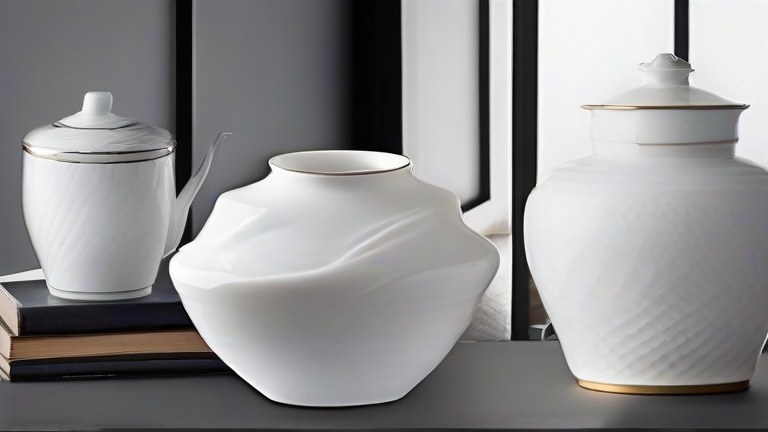
Porcelain Buying Guide: 7 Tips to Find the Perfect Lifestyle Fit
TL;DR: To find the perfect porcelain fit, prioritize the specific firing temperature and glaze finish that match your daily usage habits. Assess the weight and thickness of the pieces to ensure they align with your aesthetic preferences and practical maintenance capabilities.
The Art of Selection
Choosing the right porcelain is less about finding the most expensive item and more about selecting a companion for your daily rituals. Whether you are a devoted coffee enthusiast or a host who enjoys elaborate dinner parties, the right dishware can elevate your experience. Porcelain is not just a material; it is a canvas that reflects your personal style and lifestyle choices.
If you want to dig deeper, check out our guide on Porcelain Buying Guide: Top Tips for Business Buyers.
Understanding the Craft
First, understand the difference between bone china, hard porcelain, and soft porcelain. Hard porcelain, often used in high-end Japanese or European brands, is fired at extremely high temperatures, resulting in a dense, white, and translucent material. It is highly durable and resistant to chipping, making it ideal for busy households. Bone china, known for its delicate translucence and light weight, offers a luxurious feel but requires more careful handling. For those seeking a personal growth angle in their home life, learning to appreciate these subtleties fosters a deeper connection with your objects.
Next, consider the glaze finish. A glossy glaze is easy to clean and highlights the whiteness of the porcelain, perfect for modern, minimalist homes. In contrast, a matte or satin finish provides a sophisticated, understated look that pairs well with rustic or traditional table settings. If you are interested in cultural aesthetics, explore how different glazes reflect the regional traditions of the manufacturer, adding a layer of narrative to your dining experience.
Practical Considerations
Weight is a critical factor. Heavy porcelain feels substantial and luxurious but can be tiring to wash by hand. Lighter options are more ergonomic and easier to stack, which is essential for smaller kitchens. Additionally, check the thickness of the rim. Thicker rims are generally more durable and less likely to chip during accidental drops. This practical aspect ensures that your investment remains intact over time.
Another key tip is to evaluate the compatibility with your dishwasher. Not all porcelain is dishwasher safe, particularly those with metallic accents or intricate hand-painted designs. Always verify the manufacturer’s care instructions. If you prefer the ritual of hand-washing, this may not be an issue, but for most modern lifestyles, dishwasher safety is a prerequisite for convenience.
Consider the versatility of the set. A versatile collection should include pieces that can be mixed and matched. Look for neutral colors or patterns that can adapt to various seasons and occasions. This flexibility allows your tableware to grow with you, accommodating changes in your taste and social life. It is a form of personal growth in how you curate your living space.
Finally, don’t overlook the provenance of the brand. Supporting artisans or established manufacturers with a history of quality can add value to your purchase. Researching the brand’s background can provide insights into their commitment to sustainability and ethical practices, aligning your purchase with your personal values.
FAQ
Q: Is bone china better than standard porcelain?
A: Bone china is lighter and more translucent, offering a luxurious feel, but it is generally more fragile. Standard hard porcelain is denser and more durable, making it better suited for heavy daily use.
Q: How can I tell if porcelain is high quality?
A: Hold the piece up to the light; high-quality porcelain should be slightly translucent. Also, tap two pieces together; a clear, ringing sound indicates a high-firing process and superior density.
Q: Should I buy a full set or individual pieces?
A: Buying a full set ensures consistency in style and pattern. However, purchasing individual pieces allows for greater flexibility, easier replacement of damaged items, and the ability to mix and match different collections.
Leave a Reply