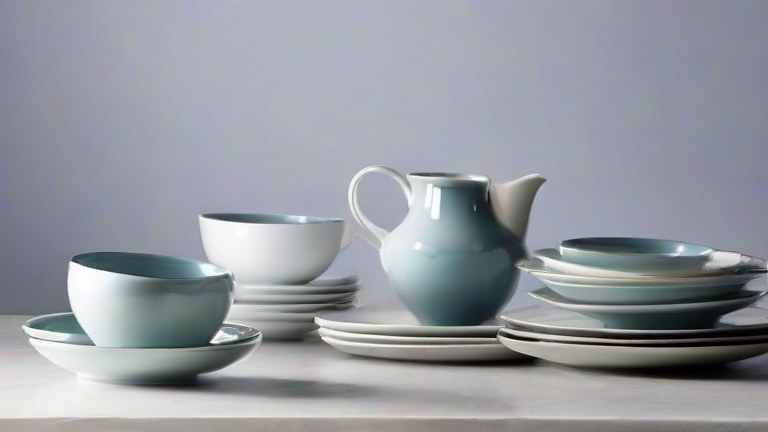
TL;DR: High-quality, lead-free porcelain tableware offers a non-toxic, inert surface that prevents chemical leaching into food, supporting long-term digestive health. Choosing certified safe materials ensures you are consuming meals without exposure to heavy metals or harmful stabilizers.
The Hidden Health Risks of Low-Quality Ceramics
In the quest for aesthetic dining, many consumers overlook the material safety of their porcelain. While standard ceramic ware is generally accepted, low-cost imports may contain lead or cadmium as flux agents in glazes. According to environmental health studies, chronic exposure to lead can disrupt neurological function and impair kidney health. Porcelain, distinct from earthenware, is fired at much higher temperatures, typically exceeding 1,200 degrees Celsius. This process vitrifies the clay body, creating a dense, non-porous surface that is inherently resistant to bacterial growth and chemical absorption.
If you want to dig deeper, check out our guide on Porcelain Buying Guide: How to Choose the Best Quality.
Scientific Advantages of Vitrified Porcelain
From a wellness perspective, the density of true porcelain is its greatest asset. Because the material is non-porous, it does not retain odors, flavors, or moisture. This makes it superior for food safety, as it does not harbor mold or bacteria in microscopic pores, a common issue with lower-quality stoneware or unglazed ceramics. Furthermore, high-grade porcelain is chemically inert. Unlike some reactive metals or low-fire ceramics, it does not interact with acidic foods such as tomato sauce, citrus fruits, or vinegar. This stability ensures that the nutritional integrity of your meal remains intact, free from unwanted metallic tastes or leached contaminants.
How to Identify Safe Porcelain
When purchasing dining sets, look for specific certifications that guarantee lead-free and cadmium-free glazes. In the United States, the California Proposition 65 warning is a critical indicator; reputable brands explicitly state they are compliant. Look for markings such as “Lead-Free” or “FDA Compliant” on the product packaging or manufacturer’s website. Additionally, the weight of the piece can be a subtle clue; true porcelain is denser and heavier than cheaper ceramic composites. A higher weight often correlates with a higher firing temperature and a more refined, pure kaolin clay base, which is essential for a safe, stable surface.
Lifestyle Tips for Maintenance and Longevity
To maintain the health benefits of your porcelain, avoid using abrasive scouring pads that can micro-scratch the glaze. While true porcelain glaze is durable, consistent scratching can eventually compromise the surface integrity, allowing potential staining or bacterial adherence. Hand washing is often recommended for high-end pieces, as dishwasher detergents can be harsh on delicate rims. If a piece chips, discard it immediately. A chip exposes the raw clay body beneath the glaze, which may not be food-safe and can harbor bacteria. By prioritizing material safety over mere aesthetics, you create a dining environment that actively supports your body’s detoxification and overall well-being.
FAQ
Q: Is all porcelain safe for daily food use?
A: Not necessarily. You must verify that the glaze is lead-free and complies with FDA or equivalent international safety standards to ensure no heavy metals leach into food.
Q: Can I microwave porcelain dishes?
A: Yes, most high-quality porcelain is microwave-safe, but you should always check for metallic accents or gold rims, which can spark or overheat in microwave ovens.
Q: How do I know if my existing dishes contain lead?
A: If your dishes are old, have a shiny metallic glaze, or were imported from unregulated sources, consider testing them with a lead swab kit available at hardware stores for peace of mind.
Leave a Reply