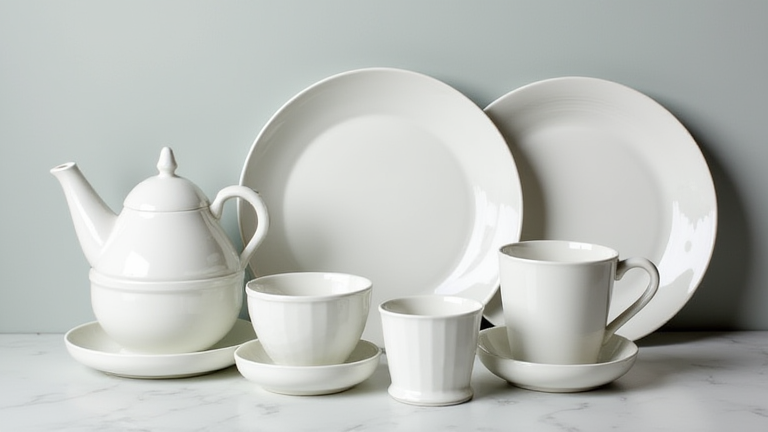
Porcelain Buying Guide: Top Tips for Choosing Durable, Elegant Tableware
TL;DR: Select bone porcelain for its superior strength and fine, translucent edges, ensuring long-lasting elegance for daily use. Prioritize reputable brands that guarantee lead-free glazes and high-temperature firing to maximize both safety and durability.
Choosing the right tableware is a significant investment in your home’s aesthetic and functional foundation. Porcelain, particularly high-quality bone china, stands out as the pinnacle of dining elegance, offering a perfect blend of lightness, strength, and timeless beauty. However, not all white plates are created equal. Understanding the nuances of material composition and manufacturing processes can help you avoid common pitfalls such as chipping, discoloration, or chemical leaching. This guide focuses on identifying truly durable, elegant pieces that will grace your table for decades, transforming every meal into a sophisticated experience.
If you want to dig deeper, check out our guide on Porcelain Buying Guide: How to Choose Quality Porcelain.
Understanding Material Quality
The primary differentiator in porcelain quality is the inclusion of bone ash. Genuine bone porcelain contains at least forty percent calcium phosphate derived from cattle bones, which allows the material to be fired at extremely high temperatures. This results in a dense, non-porous body that is remarkably resistant to cracking and staining. When holding a piece up to the light, look for a slight translucency at the rim; this is a hallmark of high-grade bone china. Standard porcelain, which lacks bone ash, tends to be heavier and less transparent, often feeling more like dense ceramic. For those seeking the ultimate in elegance, the weight and feel are crucial indicators. A high-quality piece should feel surprisingly light yet substantial, offering a tactile pleasure that enhances the dining ritual.
Assessing Durability and Safety
Durability extends beyond the initial purchase. Look for brands that explicitly state their products are microwave, dishwasher, and oven safe. While most modern porcelain is safe for these appliances, lower-quality items may have glazes that degrade over time, leading to micro-cracks or metallic residue if lead or cadmium was used in the glaze. Always verify that the manufacturer adheres to strict safety standards regarding heavy metals. Additionally, examine the edges and corners of the tableware. Sharp, crisp edges indicate precise manufacturing and better resistance to chipping compared to softer, rounded edges which may wear down more quickly. Investing in a complete set from a reputable heritage brand ensures consistency in color and quality, providing a cohesive look that remains stylish regardless of changing interior trends.
Cultivating a Timeless Table Setting
From a cultural perspective, tableware reflects our values around hospitality and self-care. Choosing durable, elegant porcelain is not merely about aesthetics; it is an act of personal growth and mindfulness. By selecting pieces that last, you reduce waste and foster a deeper appreciation for the objects that surround you. Each time you set the table, you engage with history and craftsmanship. Whether you are hosting a formal dinner or enjoying a quiet breakfast, the right porcelain enhances the sensory experience, adding a layer of refinement to everyday moments. It encourages slower eating and greater attention to detail, aligning with a lifestyle that values quality over quantity.
FAQ
Q: What is the main difference between bone porcelain and regular porcelain?
A: Bone porcelain contains bone ash, making it lighter, more translucent, and significantly more durable than regular porcelain, which is denser and less transparent.
Q: How can I tell if my porcelain is safe for the dishwasher?
A: Check the manufacturer’s guidelines on the packaging or website; however, high-fired bone porcelain is generally safe, while delicate decorative pieces may require hand washing.
Q: Does the thickness of the plate affect its longevity?
A: Yes, thicker rims generally offer more structural integrity and are less prone to chipping, while thin, fine lines offer elegance but require more careful handling.
Leave a Reply