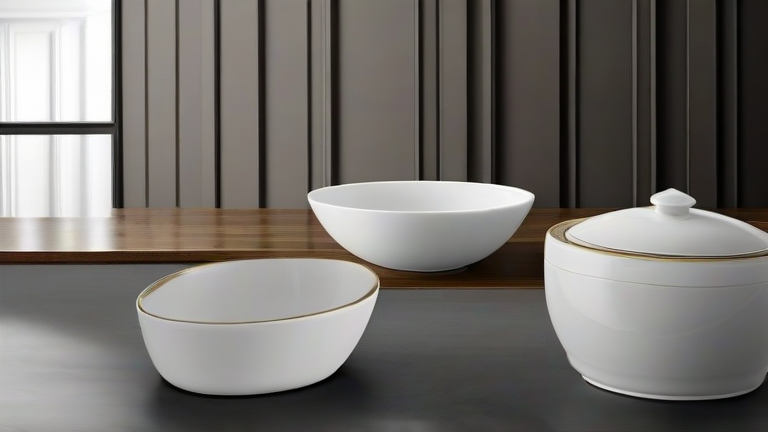
Porcelain Buying Guide: How to Choose Quality Porcelain
TL;DR: To choose quality porcelain, select pieces that are dense, translucent, and ring with a clear, high-pitched tone when tapped. Prioritize reputable manufacturers known for consistent glazing and structural integrity to ensure your tableware lasts for generations.
Understanding the Characteristics of Fine Porcelain
When entering the world of fine tableware, it is crucial to distinguish between true porcelain and other ceramic materials like stoneware or earthenware. True porcelain is created from kaolin clay, which is fired at extremely high temperatures, typically exceeding 1,200 degrees Celsius. This intense heat transforms the material into a dense, non-porous substance that is both incredibly strong and aesthetically superior. The hallmark of high-quality porcelain is its translucency. When held up to a light source, fine porcelain should allow a soft glow to pass through, indicating a level of refinement and purity that lower-grade ceramics cannot achieve. This translucency is not just a visual feature; it is a testament to the material’s structural integrity and the precision of the manufacturing process.
If you want to dig deeper, check out our guide on Porcelain Buying Guide: Health Tips for Safe & Eco-Friendly .
Key Features to Look For
Before purchasing, examine the physical attributes of the piece. First, check the weight. High-quality porcelain is often lighter than its stoneware counterparts due to its density, yet it feels substantial and solid in the hand. Second, inspect the glaze. A top-tier glaze should be smooth, glossy, and free of bubbles, pinholes, or uneven patches. The edge of the plate or cup should be uniform, with no visible cracks or chips. Finally, perform the ring test. Gently tap two pieces of porcelain together. A high-quality piece will produce a clear, ringing, bell-like sound. A dull thud indicates that the material is porous or has not been fired correctly, leading to potential weakness and susceptibility to staining.
Comparing Popular Brands and Styles
While European brands like Royal Doulton and Wedgwood are renowned for their heritage and intricate designs, American brands such as Lenox and Corelle offer excellent durability and modern aesthetics at various price points. European porcelain often features thinner walls and more delicate patterns, making it ideal for formal dining settings. In contrast, American porcelain tends to be slightly thicker, offering greater resistance to chipping for everyday use. If you prioritize longevity and casual dining, look for brands that explicitly state their products are dishwasher and microwave safe. However, for special occasions, the thinner, more elegant profile of European porcelain provides a luxurious dining experience that is hard to replicate.
Why Quality Matters
Investing in high-quality porcelain is an investment in your dining experience. Cheap porcelain often yellows over time, absorbs odors, and cracks under thermal shock. High-quality porcelain remains white, resists staining, and can withstand the transition from freezer to oven without breaking. Additionally, the aesthetic appeal of fine porcelain enhances the presentation of your food, making every meal feel like an occasion. The tactile pleasure of holding a cool, smooth, and perfectly balanced cup is a sensory benefit that only premium materials can provide.
Call to Action
Ready to elevate your dining experience? Visit our curated collection of premium porcelain brands today. Explore our detailed comparisons and expert recommendations to find the perfect set for your home. Do not settle for subpar tableware; choose the durability and elegance of true porcelain. Browse our store now and discover the difference that quality makes.
FAQ
Q: Is porcelain the same as china?
A: Yes, in common usage, porcelain is often referred to as china, though technically china refers to the material rather than the origin.
Q: How do I care for fine porcelain?
A: While many pieces are dishwasher safe, hand washing is recommended to preserve delicate gold or silver accents over time.
Q: Can porcelain break easily?
A: High-quality porcelain is very strong, but like all ceramics, it can chip if dropped
Leave a Reply