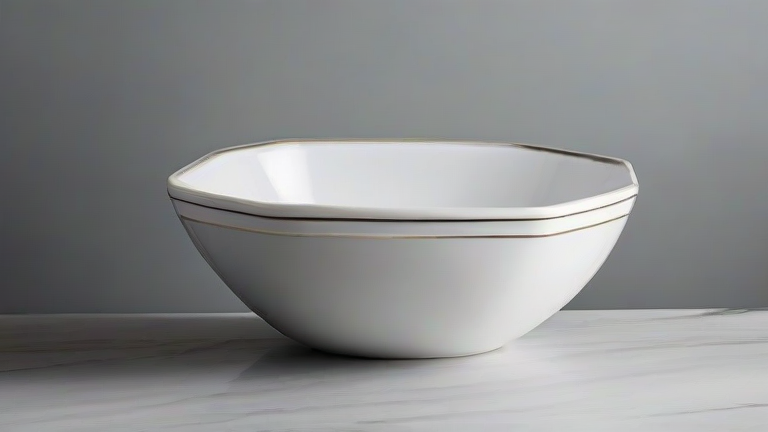
TL;DR: Selecting high-quality, lead-free porcelain for your kitchenware significantly reduces your exposure to harmful heavy metals and microplastics, supporting long-term digestive health. Prioritize brands that certify their products as food-safe and durable to ensure a safer, toxin-free lifestyle for your family.
Why Porcelain Matters for Your Health
In an era where food safety is paramount, the materials we eat from are just as critical as the food itself. While plastic containers are convenient, they often contain bisphenol A (BPA) and phthalates, chemicals linked to hormonal disruptions. Porcelain, particularly when crafted correctly, offers a inert alternative that does not leach chemicals into your food, even when exposed to heat or acidic ingredients. This makes it a superior choice for health-conscious consumers who wish to minimize their daily toxic load.
Understanding Lead and Cadmium Safety
The primary health concern with porcelain is the potential presence of lead and cadmium in the glaze. These heavy metals can migrate into food, especially if the glaze is scratched or if the product is not rated as food-safe. To mitigate this risk, always look for products labeled “lead-free” and “cadmium-free.” Reputable manufacturers adhere to strict safety standards, such as FDA regulations or California Proposition 65 compliance. By choosing certified safe porcelain, you protect your liver, kidneys, and neurological system from chronic exposure to these harmful substances.
Durability as a Health Factor
Durability is often overlooked in health discussions, but it is directly linked to safety. Cheap porcelain is prone to chipping and cracking. These imperfections can harbor bacteria in microscopic cracks, making them difficult to clean thoroughly. Furthermore, a broken glaze increases the risk of metal leaching. Investing in high-fired, vitrified porcelain ensures that the material is non-porous and resistant to breakage. This longevity means fewer replacements and a consistently safe surface for preparing and serving meals.
Practical Tips for Buying Safe Porcelain
When shopping for porcelain, start by checking the manufacturer’s website for safety certifications. Look for keywords like “food-safe,” “heavy metal free,” and “FDA compliant.” If you are buying decorative items that may come into contact with food, such as serving platters or teapots, insist on these certifications. Avoid unglazed or rough-edged pieces, as these are more likely to be porous or contain unsafe materials. Additionally, consider the thickness of the item; thicker porcelain is generally more durable and less likely to chip during daily use.
Maintenance for Long-Term Safety
Even the highest quality porcelain requires proper care to maintain its integrity. Hand washing is recommended for pieces with gold or silver accents, as dishwashers can degrade these finishes over time, potentially exposing the underlying ceramic. Inspect your porcelain regularly for any signs of chipping or crazing (fine cracks in the glaze). If you find damage, retire the item from use. This simple habit ensures that your tableware remains a safe and healthy part of your daily routine.
FAQ
Q: Is all porcelain safe for food contact?
A: No, not all porcelain is safe. You must verify that the product is explicitly labeled as food-safe and free from lead and cadmium to avoid health risks associated with heavy metal leaching.
If you want to dig deeper, check out our guide on Porcelain Buying Guide: 10 Tips for a Chic & Durable Table.
Q: How can I tell if my old porcelain is unsafe?
A: Check for any chips or cracks in the glaze and look for manufacturer markings. If the item lacks safety certifications or shows significant wear, it is best to discontinue its use for food contact to prevent potential chemical exposure.
Q: Does high-fired porcelain offer better health benefits?
A: Yes, high-fired porcelain is more vitrified and non-porous, which means it is less likely to harbor bacteria or leach materials compared to lower-quality, low-fired ceramics that may be more porous and fragile.
Leave a Reply