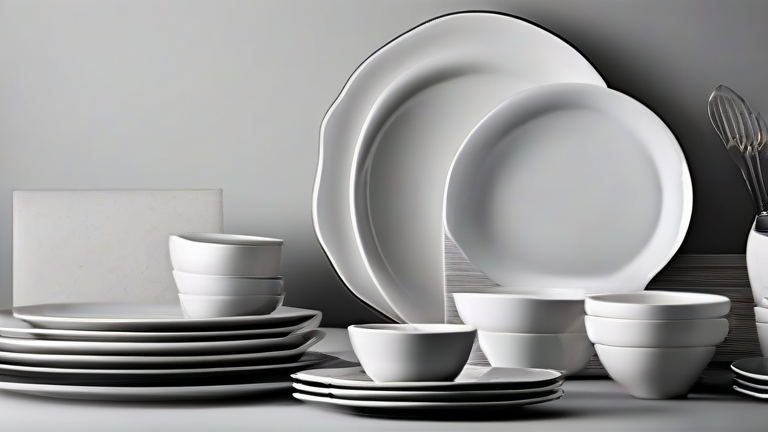
Porcelain Buying Guide: How to Choose the Right Plate
TL;DR: Selecting the right porcelain plate depends on balancing durability with aesthetic preference, where bone china offers superior translucency and strength while standard ceramic provides a more budget-friendly option. Always prioritize the specific glaze finish and weight to ensure the set matches your daily dining habits and storage constraints.
When embarking on the journey to upgrade your tableware, understanding the nuances of porcelain is essential for making an informed purchase. Porcelain is not a monolithic category; it ranges from delicate fine china to robust stoneware, each serving different purposes and lifestyles. A comprehensive buying guide requires looking beyond the surface to evaluate the material composition, manufacturing origin, and intended usage frequency. The right choice enhances not only the visual appeal of your dining experience but also the longevity of your investment.
If you want to dig deeper, check out our guide on Porcelain Buying Guide: How to Choose Quality Porcelain.
Material Composition and Quality
The fundamental distinction in porcelain lies in its ingredients. Traditional porcelain is made from kaolin clay, petuntse, and feldspar, fired at extremely high temperatures. This process results in a dense, non-porous material that is resistant to chipping and staining. Bone china, a premium variant, adds bone ash to the mix, which increases translucency and strength. When comparing options, note that bone china is significantly lighter than standard porcelain, making it easier to handle during large banquets. However, for everyday family meals, standard hard-paste porcelain may offer better resilience against accidental drops and thermal shock. Always check the product description for the firing temperature and material composition to gauge the quality.
Feature Highlights and Design Considerations
Modern porcelain plates come with various features that cater to specific needs. One critical feature is the rim design. A wide, flat rim allows for more food presentation and is ideal for plating elaborate dishes, whereas a narrower rim maximizes the eating surface. Another key feature is the glaze finish. Glossy finishes are vibrant and easy to clean but can be slippery, while matte finishes offer a contemporary look and better grip but may require more delicate hand washing. Additionally, consider the compatibility with kitchen appliances. Most high-quality porcelain is microwave and dishwasher safe, but some decorative pieces with metallic accents or hand-painted details may not be. Always verify these care instructions before purchasing to avoid damaging your new investment.
Comparing Brands and Value
Comparing different brands reveals significant differences in price points and value propositions. Luxury brands often charge a premium for heritage craftsmanship and exclusive designs, while mass-market retailers offer trendy, affordable sets that may lack long-term durability. A mid-range option often provides the best balance, offering solid construction and timeless designs without the exorbitant markup. When comparing, look for warranties and return policies. Reputable manufacturers often stand behind their products, offering replacements for defects or chips, which adds peace of mind to your purchase. Evaluate the cost per piece rather than the total set price to determine true value, especially if you only need a few plates for special occasions.
Call to Action
Ready to transform your dining experience? Start by identifying your primary use case, whether it is formal entertaining or casual daily meals. Browse our curated selection of porcelain plates that meet high quality standards. Check out the latest collection today and find the perfect set that complements your kitchen aesthetic and lifestyle needs. Do not settle for less than the best; your table deserves the finest touch.
FAQ
Q: Is bone china more durable than regular porcelain?
A: Yes, bone china is generally stronger and more resistant to chipping due to its unique composition and firing process, despite being lighter in weight.
Q: Can all porcelain plates be put in the dishwasher?
A: Most modern porcelain plates are dishwasher safe, but hand-painted or gold-rimmed pieces often require hand washing to preserve their finish.
Q: How can I tell if a plate is made of real porcelain?
A: Hold the plate up to a light source; real porcelain is translucent, allowing light to pass through,
Leave a Reply