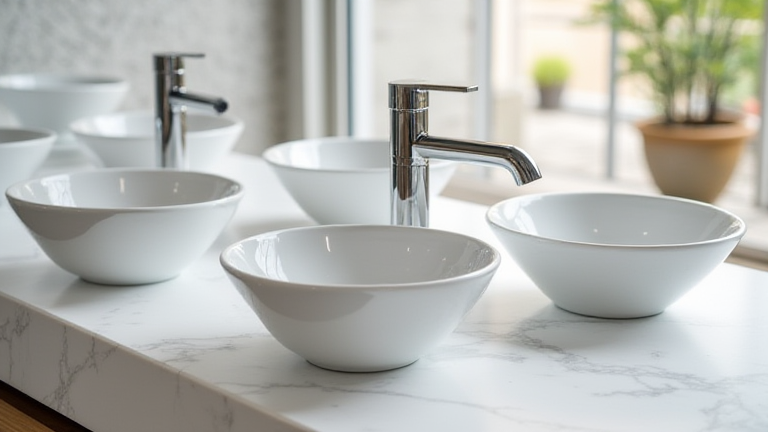
TL;DR: To choose quality porcelain, look for a high-fired ceramic body with a dense, non-porous structure that produces a clear, ringing sound when tapped. Prioritize pieces with even glazing, a smooth finish, and a reputation for thermal shock resistance to ensure longevity and aesthetic appeal.
Understanding the Basics of Quality Porcelain
Porcelain is often mistaken for standard ceramic, but the distinction lies in the firing process and the raw materials used. True porcelain, specifically bone china or hard-paste porcelain, is fired at significantly higher temperatures than stoneware or earthenware. This intense heat causes the clay particles to melt and fuse, creating a vitrified body that is harder, lighter, and more translucent than other ceramics. When you hold a high-quality piece up to the light, you should see a subtle glow through the rim. This translucency is a primary indicator of the material’s density and purity. Additionally, high-quality porcelain is less porous, meaning it does not absorb liquids or odors, making it easier to clean and more hygienic for everyday use. Understanding these fundamental characteristics is the first step in avoiding low-quality imitations that may chip, stain, or crack over time.
If you want to dig deeper, check out our guide on Porcelain Buying Guide: Top Tech & Innovations.
Key Features to Look For
When evaluating porcelain, focus on several critical feature highlights. First, inspect the glaze. A superior glaze should be glossy, even, and free of pinholes or crawling. Run your finger across the surface; it should feel glass-smooth without any rough ridges or bumps. Second, check the weight. High-quality porcelain is surprisingly light for its size. If a piece feels unusually heavy, it may be made from a lower-quality, less vitrified clay. Third, assess the color consistency. In white porcelain, the hue should be a warm, creamy white or a brilliant bright white, depending on the brand, but it should be uniform throughout the piece. There should be no yellowing or discoloration, which can indicate iron impurities in the clay or an improper firing process. Finally, examine the edges and rims. They should be sharp and well-defined, indicating that the piece was molded and trimmed with precision. Rounded or fuzzy edges suggest poor manufacturing standards.
Comparing Bone China vs. Hard-Paste Porcelain
Buyers often face the choice between bone china and standard hard-paste porcelain. Bone china contains 30-40% bone ash, which gives it exceptional strength and a unique translucency. It is generally more durable against chipping than standard porcelain, making it ideal for formal dining sets. However, it is also more expensive. Hard-paste porcelain, while slightly less translucent, offers excellent durability and a broader range of colors. It is often the better choice for those who prioritize vibrant patterns or cost-effectiveness without sacrificing too much durability. For everyday use, hard-paste porcelain is highly recommended due to its resilience and lower price point. For heirloom pieces or formal occasions, the superior aesthetic and strength of bone china are worth the investment. Both types require careful handling, but bone china’s higher thermal shock resistance makes it slightly more forgiving in commercial kitchen environments.
Why Choose High-End Porcelain?
Investing in high-end porcelain is not just about aesthetics; it is about long-term value. Cheap porcelain often lacks the structural integrity to withstand the thermal stress of moving from a dishwasher to a table or from a freezer to a microwave. High-quality pieces are designed to last for generations, maintaining their shine and structural integrity. Furthermore, reputable brands often offer better customer service and warranties. By choosing quality, you reduce the frequency of replacements, which is both cost-effective and environmentally friendly. Look for brands that provide clear care instructions and guarantee their products against defects. This due diligence ensures that your purchase remains a functional and beautiful part of your home for years to come.
Call to Action
Ready to upgrade your dining experience? Start by examining your current collection for signs of wear. If you are looking to purchase new pieces, apply the checks outlined in this guide. Look for the ring test, the light test, and the touch test. Visit a reputable retailer
Leave a Reply