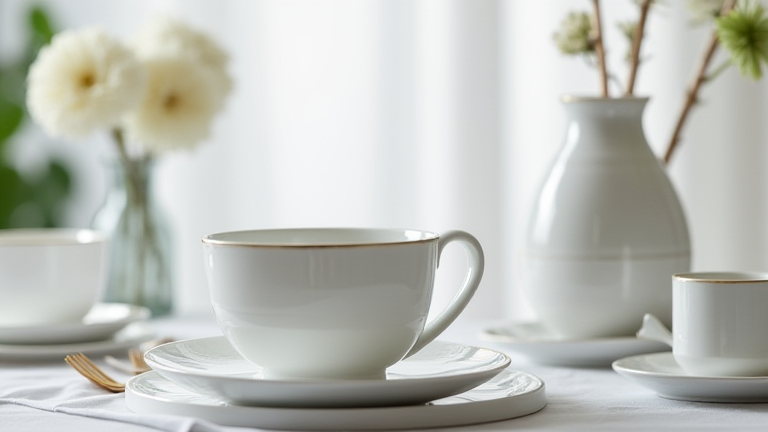
TL;DR: Choose porcelain by testing its translucency, weight, and resonance—hold it to light, tap the rim, and check for a pure white or warm ivory tone that suits your daily rituals. Prioritize durability for everyday use (look for “hard-paste” porcelain) and reserve delicate bone china for special occasions.
The Art of the Table: More Than Just Dishes
There is a quiet ceremony in setting a table. The clink of a spoon against a cup, the warmth of a bowl cradled in your hands—these are the tactile memories of home. In my travels through Jingdezhen, China, the “Porcelain Capital,” I watched artisans shape clay on spinning wheels, their fingers moving with the confidence of centuries-old knowledge. That experience taught me that porcelain is not just tableware; it is a cultural artifact, a bridge between function and art. Choosing the right set is a personal journey, one that reflects how you eat, who you feed, and the stories you want your meals to tell.
If you want to dig deeper, check out our guide on Porcelain Health Guide: Is It Safe? Benefits & Buying Tips.
Hard-Paste vs. Soft-Paste: Know Your Clay
Before you fall in love with a pattern, understand the material. Hard-paste porcelain, fired at extremely high temperatures (above 1,300°C), is the gold standard for daily use. It’s dense, non-porous, and remarkably chip-resistant—perfect for a busy family kitchen. Soft-paste porcelain (including bone china, which contains bone ash) is more delicate, often more translucent, and has a warmer, creamier hue. It’s exquisite for afternoon tea or dinner parties, but it requires gentle handling. If you’re buying a first set, ask the retailer directly: “Is this hard-paste or soft-paste?” The answer will determine its lifespan in your cabinet.
The Translucency Test and the Ring of Truth
Here is a trick I learned from a master potter in Kyoto: hold a plate up to a window. Fine porcelain allows a soft, diffused light to pass through the rim, revealing a subtle glow—this is a sign of high-quality vitrification. Then, gently tap the edge with a fingernail. A clear, bell-like ring that lingers for a second indicates a well-fired piece. A dull thud suggests lower quality or hidden cracks. This simple ritual turns shopping into a sensory experience, connecting you to the piece before you even serve your first meal.
Shape, Weight, and Your Daily Ritual
Consider your personal eating style. Do you prefer hearty pasta bowls with high walls, or flat, wide plates for composed salads? Heavier plates feel substantial and grounding, but they can be tiring to hold during long meals. Lighter porcelain is elegant but may feel flimsy to some. I recommend a hybrid approach: buy a 12-piece set of sturdy, minimalist white bowls and plates for weeknights, and invest in a smaller, decorative set of hand-painted pieces for weekends. This not only protects your budget but also gives your table a dynamic personality—a reflection of your life’s rhythm, not just a static display.
Color and Glaze: The Emotional Palette
White is timeless, but porcelain comes in a spectrum—celadon greens, cobalt blues, and earthy celadons. Think about your food. Bright, colorful dishes (curries, roasted vegetables) pop against a pure white canvas. Creamy soups and pale pastas look richer in darker, matte-glazed bowls. Matte finishes are modern and non-slip, but they can show water spots. Glossy glazes are easier to clean and feel more traditional. Choose a palette that makes you want to cook more, not one that matches your curtains. Your table is a stage; the porcelain is the backdrop for your culinary performance.
Care and Longevity: A Love Affair with Patience
Finally, never buy porcelain without reading the care label. Many high-end pieces are not dishwasher-safe, and sudden temperature changes can cause crazing (fine cracks in the glaze). Hand-washing with mild soap is the safest ritual—it also gives you
Leave a Reply