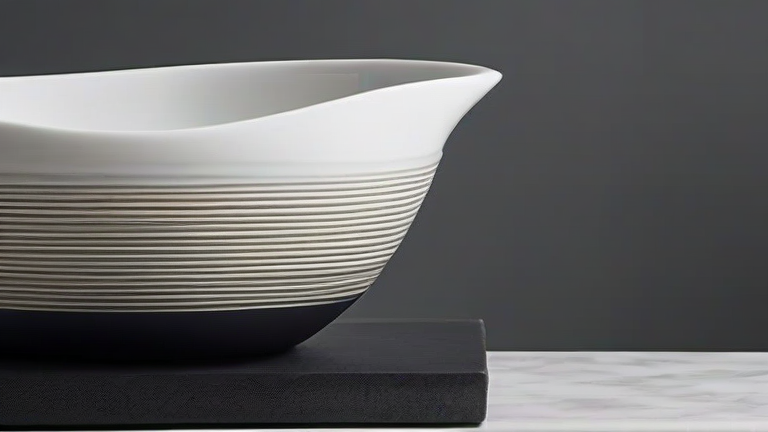
Porcelain Buying Guide: Health, Safety & Best Practices
TL;DR: Prioritize lead-free, food-grade porcelain with a glossy, even glaze to ensure chemical safety for daily health. Verify third-party certifications like FDA compliance to guarantee your tableware is free from toxic heavy metals.
The Importance of Material Integrity
When selecting porcelain for your kitchen or dining room, aesthetic appeal is often the primary focus. However, from a health and wellness perspective, the material composition is equally critical. Porcelain is a high-quality ceramic material known for its strength and translucency, but not all porcelain is created equal. The primary health concern associated with older or poorly manufactured ceramics is the potential leaching of heavy metals, specifically lead and cadmium, into food and beverages. These toxic substances can accumulate in the body over time, leading to various neurological and developmental issues. Therefore, understanding the manufacturing process and safety standards is essential for maintaining a healthy home environment.
If you want to dig deeper, check out our guide on 7 Minimalist Desk Setup Ideas to Boost Your Focus.
Identifying Safe Porcelain
To ensure your porcelain is safe, look for explicit labeling that states the product is “lead-free” and “cadmium-free.” Reputable manufacturers adhere to strict regulatory standards, such as those set by the U.S. Food and Drug Administration (FDA) or the European Union’s REACH regulation. These standards test for the migration of heavy metals under simulated usage conditions. If you are purchasing vintage or antique pieces, exercise extreme caution. Older glazes were not always subject to the same rigorous testing protocols as modern tableware. It is generally recommended to avoid using unglazed or cracked antique porcelain for food service, as cracks can harbor bacteria and allow glaze components to escape. For new purchases, opt for brands that provide transparency regarding their sourcing and testing methods.
Lifestyle Tips for Durability and Hygiene
Proper care of your porcelain is not just about maintaining its appearance; it is a health practice that prevents bacterial growth and chemical degradation. Porcelain is highly durable, but it can chip if mishandled. Chips and cracks compromise the integrity of the glaze, creating porous areas where bacteria can thrive. Regularly inspect your dishes for any signs of wear. If a piece is chipped, it should be retired from food service immediately. When cleaning, avoid abrasive scrubbers that can dull the glaze and create microscopic scratches where dirt and microbes can accumulate. Instead, use a soft sponge and mild dish soap. While many porcelain pieces are dishwasher safe, hand washing is often gentler on the glaze over time. Additionally, avoid exposing porcelain to sudden temperature shocks, such as moving a piece from the freezer directly to a hot oven, as this can cause thermal shock and lead to cracking.
Sustainable and Eco-Friendly Choices
Health extends to environmental wellness. Sustainable purchasing practices support a cleaner planet, which indirectly benefits public health. Look for porcelain brands that use energy-efficient kilns and sustainably sourced raw materials. Some manufacturers are moving toward closed-loop water systems, reducing the environmental impact of production. By choosing durable, long-lasting porcelain over disposable alternatives, you reduce waste and the associated environmental pollution. This holistic approach to consumption aligns with modern wellness philosophies that emphasize the connection between personal health and planetary health. Investing in high-quality, safe porcelain is a long-term commitment to your well-being and the sustainability of your household.
FAQ
Q: Is all white porcelain lead-free?
A: No. While most modern mass-produced porcelain is lead-free, some low-cost imports or hand-painted pieces may still contain lead in the glaze or paint. Always verify certifications.
Q: Can I use chipped porcelain for serving food?
A: No. Chipped porcelain should not be used for food service because the exposed ceramic body is porous and can harbor bacteria, and the glaze may continue to degrade.
Q: How often should I replace my porcelain dishes?
A: Porcelain is extremely durable and can last for decades. You only need to replace pieces that are chipped, cracked, or show significant wear on
Leave a Reply