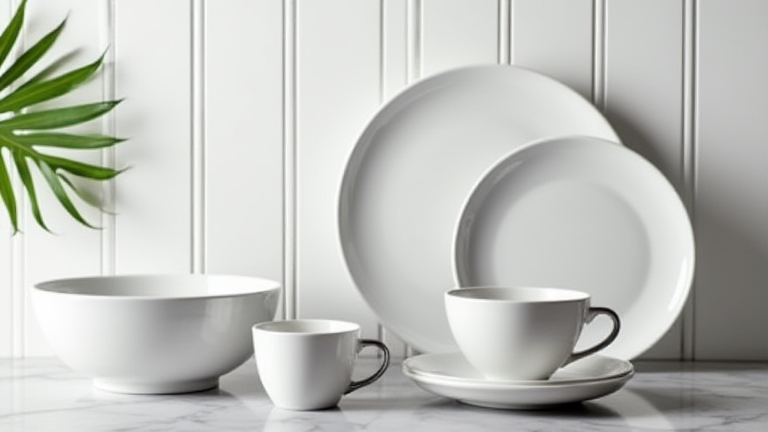
Porcelain Buying Guide: How to Choose the Perfect Set
TL;DR: The perfect porcelain set balances durability, aesthetic appeal, and intended use, prioritizing high-fired bone or hard-paste china for daily robustness or delicate soft-paste for formal occasions. Always inspect for thermal shock resistance and verify microwave and dishwasher compatibility before purchase to ensure longevity and safe usage in modern kitchens.
Choosing the right porcelain tableware is more than selecting a pretty pattern; it is an investment in your dining experience. Whether you are upgrading your everyday dishes or preparing for a special event, understanding the nuances of different porcelain types is crucial. This guide breaks down the essential features, compares popular styles, and helps you make an informed decision that suits your lifestyle and budget.
If you want to dig deeper, check out our guide on Porcelain Buying Guide: 10 Tips to Choose the Best Porcelain.
Feature Highlights: What to Look For
When evaluating a porcelain set, pay close attention to the material composition. True bone china, made from bone ash, is renowned for its translucency, strength, and lightweight nature. Hard-paste porcelain, fired at extremely high temperatures, offers exceptional durability and a glossy finish, making it ideal for heavy daily use. Soft-paste porcelain, while more affordable and delicate, is often used for decorative pieces or formal settings where handling is minimal. Check the weight and thickness; a high-quality set should feel substantial yet not overly heavy, indicating a well-balanced glaze and body. Additionally, look for uniform edges and a smooth, non-porous surface that resists staining and bacterial growth.
Comparisons: Bone vs. Hard-Paste vs. Soft-Paste
Each type of porcelain serves a specific purpose. Bone china is the premium choice, offering superior elegance and resilience, though it commands a higher price point. It is the best option for those who value aesthetic refinement and long-term value. Hard-paste porcelain is the workhorse of the kitchen, providing excellent thermal shock resistance and chip durability. It is the best choice for busy households that need reliable, low-maintenance dinnerware. Soft-paste porcelain is the budget-friendly alternative, often featuring intricate, colorful designs. While it is more prone to chipping and requires gentle handling, it is perfect for occasional guests or decorative display rather than daily use. Compare the cost per piece, as sets are often sold in increments of four, six, or twelve. Ensure the set includes all necessary pieces, such as soup bowls, cereal bowls, and dinner plates, to avoid additional purchases later.
Call-to-Action: Start Your Search Today
Ready to elevate your dining table? Visit our curated collection of porcelain sets to find the perfect match for your home. We offer a wide range of styles, from classic white to vibrant modern designs, all vetted for quality and craftsmanship. Do not wait until your next holiday gathering to upgrade; explore our featured brands and read customer reviews to make the best choice for your needs. Take advantage of our current seasonal discounts and free shipping offers. Your dream table setting is just a click away. Start browsing now and transform your mealtime into an unforgettable experience with the perfect porcelain set.
FAQ
Q: Is porcelain safe for microwave use?
A: Most modern porcelain is microwave-safe, but you should always check the manufacturer’s guidelines. Avoid using pieces with metallic gold or silver trim, as these can spark and damage the appliance. Ensure the porcelain is specifically labeled as microwave-safe to prevent any potential thermal shock issues.
Q: How should I clean porcelain to maintain its shine?
A: Porcelain is generally dishwasher-safe, but hand washing is recommended for pieces with intricate hand-painted details or metallic accents. Use a mild detergent and a soft sponge to avoid scratching the glaze. For stubborn stains, a paste of baking soda and water can be gently scrubbed on the surface, followed by a thorough rinse and dry.
Q: What is the difference between china and porcelain?
A: While often used interchangeably, “china” is a colloquial term for ceramic tableware, whereas “porcelain” is a specific type of ceramic material. Porcelain is
Leave a Reply