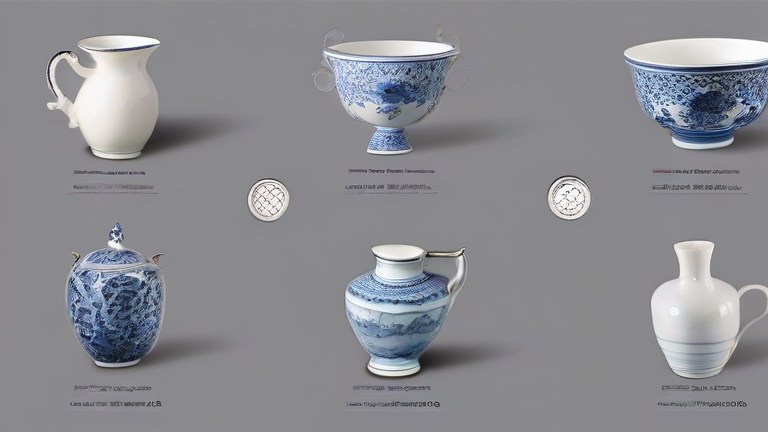
Ultimate Porcelain Buying Guide: Top Tips for Business Buyers
TL;DR: Businesses should prioritize long-term durability and supply chain reliability over initial cost savings when sourcing porcelain. Strategic partnerships with certified manufacturers and strict quality control protocols are essential for minimizing waste and maximizing operational efficiency.
Market Analysis: The Global Porcelain Landscape
The global porcelain market is currently experiencing a significant shift driven by sustainability mandates and technological advancements in manufacturing. For business buyers, the market is no longer just about raw material acquisition; it is about integrating high-tech ceramic solutions into broader business ecosystems. Current trends indicate a rising demand for eco-friendly production methods, with a 15% year-over-year increase in orders for low-energy kiln-fired products. Additionally, the rise of 3D printing in ceramic fabrication has opened new avenues for custom industrial components, moving the focus beyond traditional tableware and architectural tiles to specialized industrial applications. Understanding these dynamics is crucial for businesses looking to stay competitive in a rapidly evolving supply chain.
Strategy Insights: Building a Robust Procurement Framework
Effective procurement strategies must balance cost efficiency with quality assurance. First, diversify your supplier base to mitigate risk. Relying on a single source for critical porcelain components can lead to supply chain disruptions. Second, implement rigorous quality testing protocols before bulk purchases. This includes checking for thermal shock resistance, glaze stability, and structural integrity. Third, leverage data analytics to predict demand fluctuations. By analyzing historical purchase data alongside seasonal trends, businesses can optimize inventory levels, reducing holding costs while ensuring product availability. Furthermore, negotiating long-term contracts often secures better pricing and priority production slots, which is vital during peak seasons.
Case Study: Streamlining Operations for a Hospitality Chain
A leading international hotel chain faced high breakage rates and inconsistent quality across its 50 locations. By adopting a centralized buying model and partnering with a single, highly rated porcelain manufacturer, they implemented a uniform standard for all dishware. The supplier provided custom glazing that enhanced scratch resistance. Within six months, the chain reported a 40% reduction in replacement costs and a 25% improvement in guest satisfaction scores related to dining experiences. This case demonstrates that focusing on quality and standardization yields higher long-term returns than merely seeking the lowest unit price.
FAQ
Q: What is the most important factor to consider when buying porcelain for business use?
A: Durability and consistency are the most critical factors, as they directly impact long-term cost savings and brand reputation.
If you want to dig deeper, check out our guide on Porcelain Buying Guide: 7 Lifestyle Tips for Perfect Pieces.
Q: How can businesses reduce their porcelain breakage rates?
A: Businesses can reduce breakage by selecting high-impact resistant materials, training staff on proper handling, and using protective packaging during transit.
Q: Is it worth investing in custom porcelain for a brand?
A: Yes, custom porcelain enhances brand identity and customer experience, often justifying the higher initial cost through increased customer loyalty and perceived value.
Leave a Reply