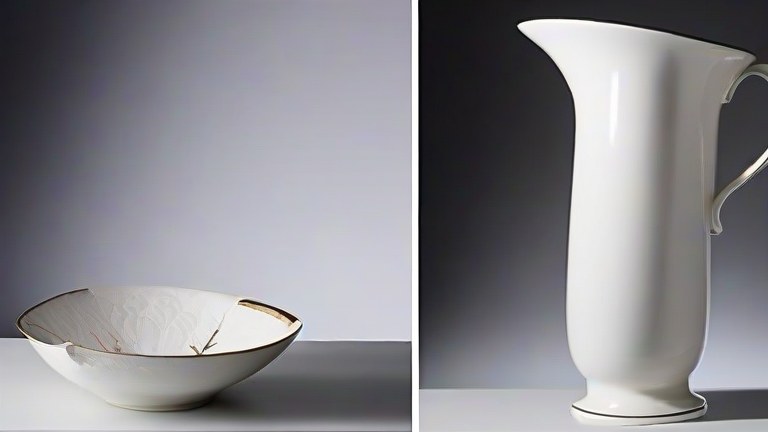
Porcelain Buying Guide: How to Choose the Best Porcelain
TL;DR: The best porcelain for your needs depends on whether you prioritize durability for daily use or elegance for special occasions, making bone china ideal for luxury and hard-paste porcelain perfect for robust, everyday dining. Look for kiln-fired consistency, a smooth glaze finish, and microwave-safe properties to ensure long-lasting value and performance.
Understanding Porcelain Types
Before diving into specific brands, it is crucial to understand the different types of porcelain available on the market. Porcelain is generally categorized into soft-paste, hard-paste, and bone china. Soft-paste porcelain is the oldest form, known for its delicate texture but lower durability. Hard-paste porcelain, often referred to as true porcelain, is fired at higher temperatures, resulting in a denser, more durable product that is excellent for everyday use. Bone china, derived from animal bone ash, offers the best of both worlds: it is lighter, more translucent, and highly resistant to chipping, making it a favorite among collectors and those seeking premium tableware.
If you want to dig deeper, check out our guide on Porcelain Buying Guide: How to Choose the Best Quality.
Key Feature Highlights
When selecting your next set of dishes, several features should guide your decision. First, consider the firing temperature. Higher firing temperatures generally lead to a stronger, more vitrified material that is less porous. This means the dishes are less likely to absorb odors or stains, which is a significant advantage for maintenance. Second, examine the glaze. A high-quality porcelain piece will have a smooth, even glaze that is free from pinholes or bubbles. This not only enhances the aesthetic appeal but also ensures that the surface is easy to clean and hygienic. Additionally, check for weight and thickness. While bone china is prized for its lightness, hard-paste porcelain is often slightly heavier, providing a sense of substance that some diners prefer. Always look for labels indicating microwave and dishwasher safety, as these features add convenience to modern lifestyles.
Comparing Top Options
Comparing popular options reveals distinct advantages. For instance, Wedgwood is renowned for its classic designs and superior bone china, making it an excellent choice for formal dining settings. On the other hand, Corelle Brands offers durable hard-paste porcelain that is highly resistant to breakage, ideal for families with children or busy households. If budget is a concern, generic hard-paste porcelain sets from major retailers often provide good value without compromising on basic durability. However, they may lack the translucency and refined finish of premium brands. When comparing, consider your primary use case. If you entertain frequently, the elegance of bone china from brands like Noritake may be worth the investment. For daily use, the ruggedness of hard-paste porcelain is more practical.
Final Thoughts and Call to Action
Choosing the right porcelain is about balancing aesthetics, durability, and budget. By understanding the differences between bone china and hard-paste porcelain, and focusing on key features like glaze quality and firing temperature, you can make an informed decision that enhances your dining experience. Do not settle for the first set you see. Compare reviews, inspect the craftsmanship, and consider your long-term needs. Ready to elevate your table setting? Explore our curated list of top-rated porcelain sets today and find the perfect match for your home. Click the link below to view current deals and start your search for the best porcelain collection.
FAQ
Q: Is bone china better than hard-paste porcelain?
A: Bone china is generally considered superior for fine dining due to its lightness and translucency, but hard-paste porcelain is more durable and cost-effective for everyday use.
Q: Can I put porcelain in the dishwasher?
A: Most modern porcelain sets are dishwasher safe, but it is always best to check the manufacturer’s guidelines to avoid damaging delicate glazes or gold accents.
Q: How do I clean porcelain without scratching it?
A: Use a soft sponge or cloth with mild dish soap. Avoid abrasive scrubbers and steel
Leave a Reply