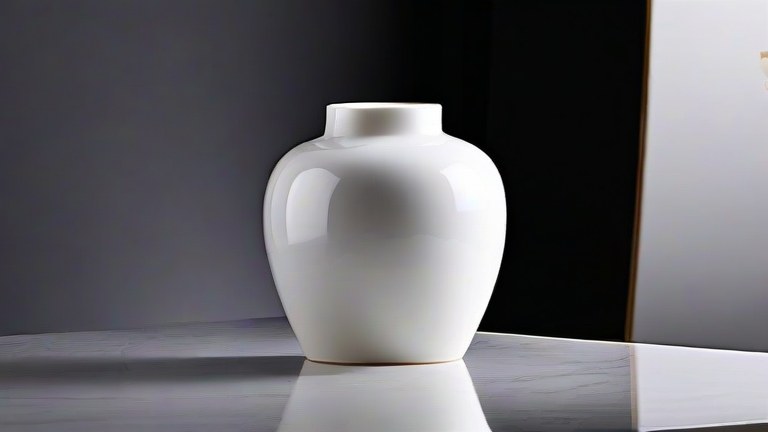
TL;DR: To choose quality and style in porcelain, prioritize high-fired stoneware or bone china with a smooth, glossy glaze and consistent coloration. Select patterns that align with your existing interior design palette while ensuring the piece is lead-free and dishwasher-safe for long-term durability.
Market Analysis: The Resurgence of Fine Tableware
The global porcelain market is experiencing a notable resurgence, driven by a shift toward “slow living” and an appreciation for artisanal craftsmanship. According to recent industry reports, the market value for fine ceramics is projected to grow at a CAGR of 5.2% over the next five years. This growth is fueled by a consumer demographic that values heritage brands and sustainable manufacturing practices. Unlike mass-produced melamine or plastic alternatives, porcelain is seen as an investment in lifestyle aesthetics. Buyers are increasingly willing to pay a premium for pieces that offer both functional utility and visual appeal, recognizing that fine tableware enhances the dining experience and elevates the perceived value of a home interior. The market is bifurcating into two distinct segments: luxury heritage brands that command high price points through exclusivity, and modern design houses that offer minimalist, contemporary styles at mid-range prices. This duality allows businesses to target diverse customer bases, from collectors seeking investment-grade pieces to young professionals looking to establish a sophisticated home aesthetic without breaking the bank.
If you want to dig deeper, check out our guide on Ultimate Guide: How to Buy the Best Porcelain for Your Home.
Strategy Insights: Differentiating Through Quality and Education
For retailers and manufacturers, the key to success lies in education. Most consumers lack the technical knowledge to distinguish between true porcelain and ceramic look-alikes. A winning strategy involves transparent labeling that details the firing temperature, material composition, and origin. Highlighting features such as microwave and dishwasher safety addresses common consumer anxieties regarding maintenance. Furthermore, strategy must focus on versatility. Modern buyers want tableware that can transition from casual family dinners to formal holiday gatherings. Therefore, collections should offer modular sets that allow for customization, such as separate plates, bowls, and serving dishes that can be mixed and matched. Brand storytelling is also crucial; emphasizing the artisanal process, the sourcing of raw materials, and the environmental impact of production can create a deeper emotional connection with the buyer. By positioning porcelain not just as a commodity but as a piece of functional art, businesses can justify higher margins and foster brand loyalty. Collaborations with interior designers or influencers can further amplify this narrative, showcasing how specific porcelain styles integrate into various decor themes, from rustic farmhouse to sleek modern minimalism.
Case Studies: Success Stories in the Porcelain Sector
Consider the case of a mid-sized European manufacturer that revitalized its brand by focusing on sustainable sourcing. By switching to recycled materials and reducing water usage in production, they appealed to the eco-conscious segment of the market. This strategic pivot resulted in a 20% increase in sales within two years, as their story resonated with younger buyers who prioritize ethical consumption. Another example is a North American retailer that leveraged digital technology to enhance the buying experience. They implemented an augmented reality feature allowing customers to visualize different porcelain patterns in their own dining rooms before purchasing. This reduced return rates by 15% and increased average order value, as customers felt more confident in their stylistic choices. These case studies demonstrate that combining product quality with innovative marketing and ethical considerations is the most effective path to market leadership.
FAQ
Q: What is the main difference between porcelain and ceramic?
A: Porcelain is made from kaolin clay and fired at higher temperatures, making it denser, more translucent, and less porous than standard ceramic.
Q: How can I tell if porcelain is lead-free and safe for food?
A: Look for certifications from independent testing labs and ensure the product is labeled as compliant with FDA standards for lead and cadmium limits.
Q: Is it worth buying a full set or individual pieces?
A: Buying individual pieces allows for greater customization and flexibility, while a full set ensures consistency in style and color but offers less adaptability.
Leave a Reply