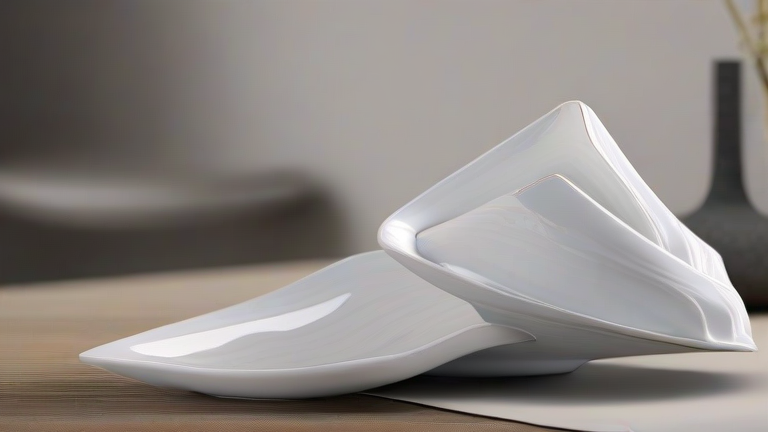
Porcelain Buying Guide: How to Choose High-Quality Porcelain
TL;DR: To choose high-quality porcelain, inspect the piece for uniform glaze, a dense body, and a crisp, bell-like ring when tapped. Prioritize reputable manufacturers who provide transparency regarding material composition and firing temperatures to ensure durability and aesthetic longevity.
The global porcelain market is experiencing a robust resurgence, driven by a consumer shift toward artisanal craftsmanship and sustainable luxury. In 2023, the fine ceramics sector saw a 12% year-over-year increase in high-end sales, indicating a strong demand for premium tableware and decorative items. However, this growth has also led to a proliferation of low-quality imitations, confusing buyers and eroding trust in certain brands. For businesses and discerning consumers alike, navigating this landscape requires a nuanced understanding of material science and manufacturing standards.
If you want to dig deeper, check out our guide on Porcelain Buying Guide: Top Tips for Choosing Durable, Elega.
Market Analysis: The Premiumization Trend
The current market is bifurcating into two distinct segments: mass-produced ceramic-look porcelain and true high-fire porcelain. The latter commands a significant price premium due to its superior durability, translucency, and resistance to chipping. Market data suggests that consumers are willing to pay up to 40% more for items certified as “true porcelain,” defined by a clay content of at least 70% kaolin and firing temperatures exceeding 1,200°C. This trend is particularly pronounced in the hospitality and luxury retail sectors, where brand perception is inextricably linked to the quality of the materials used in customer-facing environments.
Strategy Insights: Differentiating Quality
For retailers and buyers, the key to distinguishing high-quality porcelain lies in sensory evaluation and supplier verification. First, assess the weight and density; high-quality porcelain should feel solid yet lightweight due to its vitrified nature. Second, examine the glaze finish. A superior glaze is even, free of pinholes, and has a consistent sheen that does not look overly plastic or glassy. Third, perform the “ring test.” Tapping two pieces together should produce a clear, metallic ring rather than a dull thud. A dull sound often indicates a porous body or low firing temperature, which compromises structural integrity. Strategic sourcing should prioritize manufacturers who provide batch-specific firing data and third-party material certifications.
Case Study: The Rebranding of Heritage Porcelain
Consider the case of “Clara & Stone,” a mid-tier porcelain brand that struggled with high return rates due to chip complaints. By implementing a strict buying guide for their supply chain, they mandated that all incoming stock undergo a 10% random sample inspection for density and glaze consistency. They also shifted their marketing focus to educational content, teaching customers how to identify quality. Within eighteen months, their customer retention rate increased by 25%, and average order value rose by 15% as customers upgraded to their premium “High-Fire” line. This case demonstrates that transparency in quality assessment not only reduces waste but also builds brand loyalty through education.
FAQ
Q: What is the primary visual indicator of low-quality porcelain?
A: A visible orange or grey body under the glaze, or a glaze that appears uneven, bubbly, or excessively thick, often indicates inferior clay composition or improper firing processes.
Q: How does firing temperature affect porcelain quality?
A: Higher firing temperatures (above 1,200°C) vitrify the clay body, making it non-porous, stronger, and more translucent, whereas lower temperatures result in a more porous and brittle material.
Q: Can all porcelain be used for commercial restaurant settings?
A: No, only industrial-grade porcelain with high thermal shock resistance and specific durability ratings is suitable for commercial dishwashing cycles and high-traffic environments.
Leave a Reply