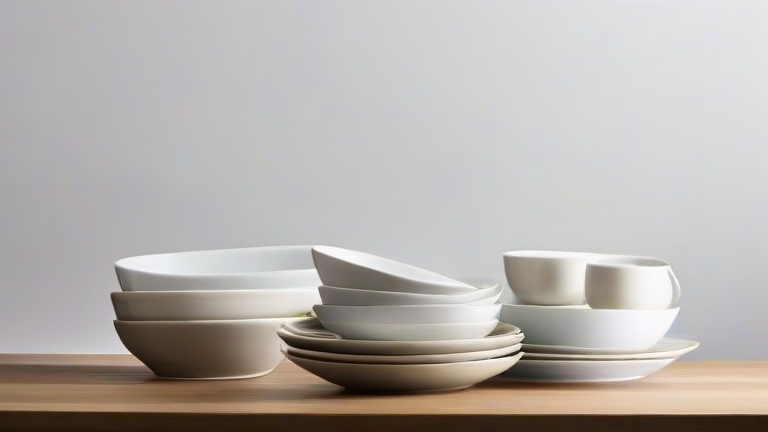
TL;DR: Choose porcelain labeled “lead-free” or certified by FDA/California Prop 65, and avoid hand-painted or metallic-trimmed pieces for daily use. Opt for plain, glazed, vitrified porcelain fired at high temperatures, which minimizes lead and cadmium leaching.
The Hidden Risk in Your Cupboard
Porcelain is prized for its durability and elegance, but not all dinnerware is created equal. Lead and cadmium are often used in glazes and decorative paints to add shine or vibrant colors. When acidic foods (like tomato sauce or citrus) or hot liquids contact these surfaces, toxic metals can leach into your meal. A 2022 study in Environmental Health Perspectives found that even “food-safe” ceramics can release lead when used daily over years, especially if the glaze is cracked or worn. The safest choice is high-fired, fully vitrified porcelain—glass-like, non-porous, and free of surface decorations.
If you want to dig deeper, check out our guide on The Ultimate Porcelain Buying Guide: Choose with Confidence.
How to Identify Truly Safe Porcelain
First, look for explicit “lead-free” or “cadmium-free” labels. But don’t stop there—check for third-party certifications like NSF International or Proposition 65 compliance. For a home test, use a lead swab kit (available online) on the rim and interior; if it turns red, avoid the piece. Second, prioritize under-glaze decoration: if the pattern is painted over the glaze, it’s more likely to leach. You can feel the difference—raised, glossy designs on top of the surface are over-glaze. Third, purchase from reputable brands that publish their material safety data sheets (MSDS). Avoid vintage or imported porcelain without clear origin; many pre-1980s pieces contain high lead levels.
Lifestyle Tips for Daily Use
Even with safe porcelain, adopt habits that reduce risk. Never microwave hand-painted or metallic-trimmed pieces, as heat accelerates metal release. Use porcelain only for serving, not storing leftovers—prolonged contact with acidic food increases leaching. Hand wash with mild soap; dishwasher detergents can erode glaze over time. For children, stick to solid white or minimalist designs with no decals. Rotate your dinnerware: if you notice scratches, chips, or a dull gray film on the surface, retire the piece immediately. Finally, when buying new, ask the retailer for a certificate of analysis showing lead and cadmium levels below 90 ppm and 0.5 ppm, respectively (FDA limits).
Smart Shopping Checklist
Before you buy, run this mental checklist: (1) Is it labeled “lead-free”? (2) Is the glaze glossy and free of crazing (tiny cracks)? (3) Does the pattern appear under the glaze? (4) Does the brand offer a guarantee or lab test results? (5) Is it dishwasher and microwave safe without metallic accents? If you answer “no” to any, put it back. Also, consider bone china—it’s a type of porcelain with bone ash, often lower in lead, but still verify. For budget-friendly options, look for “porcelain stoneware” from Japan or Germany, which have stricter safety regulations than some other countries.
FAQ
Q: Is all porcelain free of lead if it says “ceramic”?
A: No. “Ceramic” is a broad term; porcelain is a type of ceramic, but lead can be in the glaze or paint of any ceramic. Always look for “lead-free” on porcelain specifically, and test it if unsure.
Q: Can I use antique or handmade porcelain if I only serve cold food?
A: No. Even cold, acidic foods (like salad dressing or lemon water) can slowly extract lead from over-glaze decorations. Vintage pieces are high-risk; use them only as display, not for eating.
Q: What is the safest type of dinnerware overall?
A: Fully vitrified, undecorated porcelain or high-quality borosilicate glass. Both are non-por
Leave a Reply