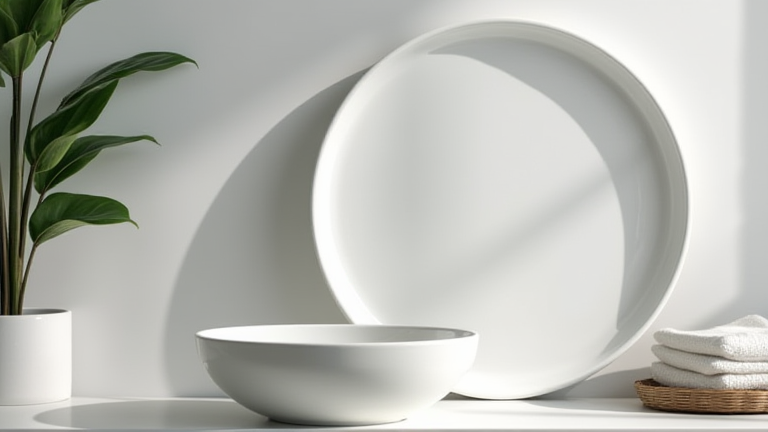
Porcelain Buying Guide: 7 Tips to Find Quality & Best Value
TL;DR: To find high-quality porcelain, prioritize dense, white clay with a fine grain and listen for a clear ring when tapped. You achieve the best value by buying from reputable manufacturers who offer lifetime warranties against crazing and chipping.
1. Understand the Difference Between Porcelain and China
Many buyers confuse porcelain with standard ceramic china. Porcelain is made from kaolin clay, fired at extremely high temperatures, resulting in a denser, stronger, and more translucent material. True porcelain is non-porous, meaning it does not absorb stains or odors as easily as earthenware. When shopping, look for the term “porcelain” on the packaging or product description. Avoid items labeled merely as “ceramic” if you are seeking long-term durability and elegance, as ceramic is often lower-fired and more fragile.
If you want to dig deeper, check out our guide on Why the “Quiet Luxury” Trend Is Pushing Cashmere Sweater Pri.
2. Check for Whiteness and Translucency
High-quality porcelain should possess a bright, pure white color that is not yellowish or gray. To test the quality, hold a smaller piece, such as a cup or saucer, up to a bright light source. If you can see the light passing through the material, it indicates proper firing and density. This translucency is a hallmark of fine porcelain, such as that produced in Meissen or Limoges. If the piece looks opaque and dull, it may be a lower-quality composite or stoneware marketed as porcelain.
3. Tap for a Clear Ring
A simple acoustic test can reveal the integrity of the piece. Gently tap the porcelain with your fingernail or a metal utensil. High-quality, well-fired porcelain will produce a clear, high-pitched ringing sound. If the sound is dull or thuddy, the porcelain may be under-fired, which makes it porous and prone to breaking. This sound test is a quick, non-destructive way to assess the structural soundness of the item before purchase.
4. Inspect for Crazing and Flaws
Examine the surface carefully under good lighting. Look for “crazing,” which appears as a network of fine, hairline cracks on the glaze. While some crazing is a stylistic choice in certain antique pieces, it is generally considered a defect in modern tableware because it traps dirt and bacteria. Also check for chips, bubbles, or uneven glazing. The edges of the plates and cups should be smooth and even, without any rough spots that could snag or chip over time.
5. Verify Microwave and Dishwasher Safety
Modern lifestyles require durable tableware. Ensure the porcelain is explicitly labeled as safe for microwaves and dishwashers. Not all porcelain can withstand the high heat of a microwave or the harsh detergents in a dishwasher. Metal accents, such as gold or silver rims, are often not microwave-safe and can spark. If you plan to use the items daily, stick to plain, glazed porcelain without metallic decorations to ensure longevity.
6. Consider the Brand and Warranty
Reputable brands often offer warranties against chipping and crazing, which can last for years or even a lifetime. This warranty indicates confidence in the quality control. Brands like Wedgwood, Villeroy & Boch, or Corelle are known for their durability. While these may have a higher upfront cost, the total cost of ownership is lower because you do not need to replace them frequently. Read reviews specifically looking for mentions of durability over time.
7. Buy Sets for Better Value
Buying individual pieces is usually more expensive per unit than purchasing a full set. If you need a complete place setting, buy the full set. This ensures that all pieces match in color, pattern, and quality. Additionally, sets often come with a discount. However, if you only need a few pieces, look for sales on single items or buy from clearance sections. Always ensure that any additional pieces you buy later match the original set by
Leave a Reply