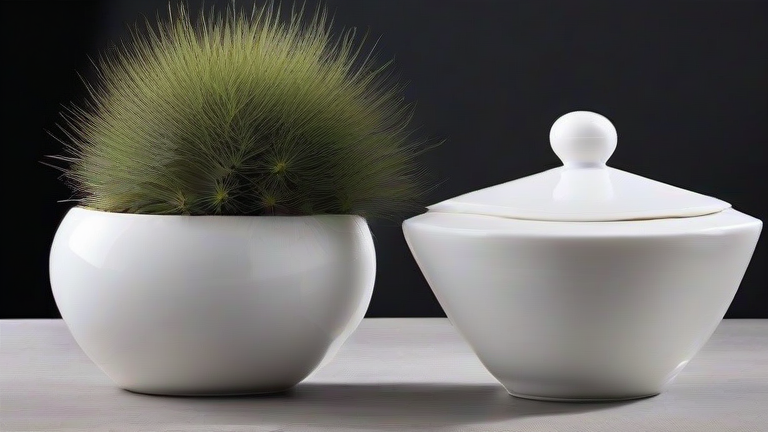
Porcelain Buying Guide: Health Benefits & Safety Tips
TL;DR: Choose lead-free, food-grade porcelain from reputable manufacturers to ensure your tableware is safe for daily consumption. Look for products that have passed strict regulatory testing for heavy metal migration and are designed for thermal shock resistance to prevent cracking and potential bacterial harboring.
The Importance of Material Integrity
Porcelain is a refined form of ceramic known for its strength, translucency, and smooth finish. Unlike standard earthenware, high-quality porcelain is vitrified, meaning it is fired at extremely high temperatures, resulting in a non-porous surface. This structural integrity is the first line of defense in food safety. A non-porous surface prevents food particles, oils, and bacteria from seeping into the material, making it significantly easier to clean and sanitize. When selecting porcelain, prioritize brands that explicitly state their products are lead-free and cadmium-free. While many countries have strict regulations, some low-cost imports may still contain trace amounts of heavy metals, particularly in brightly colored glazes or decorative patterns. These metals can leach into acidic foods like tomatoes or citrus-based sauces over time, posing long-term health risks. Therefore, always verify that the manufacturer complies with FDA, EU, or equivalent local safety standards for tableware.
If you want to dig deeper, check out our guide on The Ultimate Porcelain Buying Guide: How to Choose the Best.
Thermal Shock and Durability
One of the primary health concerns associated with substandard ceramics is the risk of thermal shock. If a dish cracks or chips, it can harbor bacteria in the micro-fissures that are difficult to reach with a sponge or dishwasher spray. High-quality porcelain is engineered to withstand rapid temperature changes, such as moving from a freezer to a hot oven, without shattering. When buying, look for descriptors like “microwave safe,” “dishwasher safe,” and “oven safe.” These labels indicate that the material has been tested for thermal stability. Additionally, inspect the edges and rims of any pre-owned or second-hand porcelain. Any visible chips, cracks, or crazing (fine surface cracks) should be disqualifying factors. Once the glaze is compromised, the underlying clay becomes porous and can absorb contaminants. For new purchases, opt for solid white or single-color designs. Complex, multicolored patterns often require more glaze layers, which increases the surface area where potential contaminants could reside, although modern industrial glazes are generally safe if certified.
Lifestyle Tips for Maintenance
To maintain the health benefits of your porcelain, adopt a consistent cleaning routine. While most modern porcelain is dishwasher safe, hand washing with a soft sponge can extend the life of the glaze and prevent minor abrasions that might lead to future chipping. Avoid using abrasive scouring pads or harsh chemical cleaners that can degrade the surface finish. Store your porcelain carefully to prevent impact damage. Use felt or foam dividers in cabinet drawers to keep plates and bowls separated. If you are entertaining, consider purchasing a set with matching spare pieces. This ensures that if an accident occurs, you do not need to mix different patterns or use lower-quality replacements that may not meet the same safety standards. Regularly inspect your collection for any new damage. Retire any piece that shows signs of structural failure, no matter how beautiful or sentimental it may be. Your health is always more important than aesthetics.
FAQ
Q: Is porcelain safer than glass for serving food?
A: Porcelain is generally safer for thermal applications because it does not shatter into sharp shards if dropped, whereas glass can break and create hazardous fragments that might contaminate food.
Q: How can I test if my old porcelain is lead-free?
A: You can use a lead testing kit available at hardware stores, but for definitive accuracy, consult a professional lab. Alternatively, replace any antique or decorative china that is used for eating, as older glazes are more likely to contain lead.
Q: Does the color of the porcelain affect its safety?
A: Brightly colored or patterned glazes have a higher risk of containing heavy metals compared to plain white porcelain, so it is best to stick with solid colors or
Leave a Reply